
Health
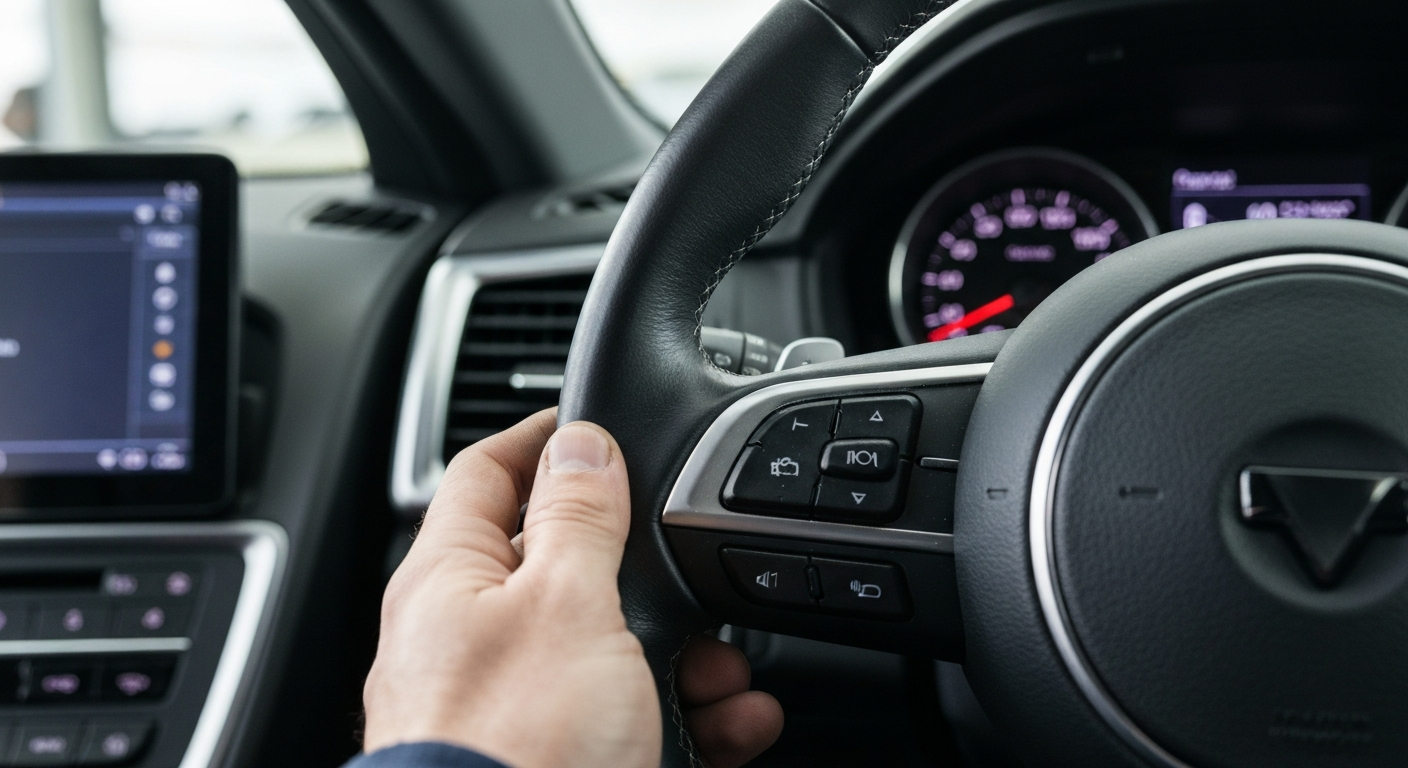

A car horn that stops working is almost always caused by a blown fuse, a failed horn relay, a faulty horn button or clock spring, corroded horn terminals, or a worn-out horn unit — all diagnosable in 20 minutes with basic tools.
| ✓Our Pick |
Shop replacement horn fuses, relays, and car electrical parts Backed by strong customer feedback — the most recommended solution in forums and Q&A communities. Learn More → |
Car horns are simple electromechanical devices — when they fail, it is almost always one of five components in the circuit: the fuse, the relay, the steering wheel switch, the clock spring, or the horn unit itself.
The horn circuit is protected by a dedicated fuse, usually rated 10–20 amps. A blown fuse is the most common and easiest fix. When the fuse blows — often from a brief short or moisture intrusion — the horn goes completely silent.
How to find and check the horn fuse:
Replace with a fuse of the identical amperage rating. Never use a higher-amperage fuse as a substitute — it bypasses the circuit protection.
The horn relay sits between the fuse and the horn and amplifies the weak signal from the horn button to power the horn electromagnet. If the relay contacts are burned or stuck open, the horn gets no power even if the fuse is good.
Relays are typically located in the fuse box. They are inexpensive (around $5–$15) and easy to swap. Find the horn relay using the fuse box diagram, pull it straight out, and press in an identical replacement. You can often test the relay by swapping it with another relay of the same part number in the box (like the fuel pump relay) to confirm whether it is the fault.
Every time you press the center of the steering wheel, you are completing an electrical circuit through a contact embedded in the steering wheel. These contacts can wear, corrode, or break over time — especially on high-mileage vehicles where the wheel has been turned tens of thousands of times.
A simple test: disconnect the two wires from the horn unit under the hood, then touch them together briefly. If the horn sounds when you do this, the horn itself is fine and the problem is upstream in the button or wiring.
The clock spring (also called a clock spring coil or spiral cable) is a flat, coiled cable that allows the steering wheel to rotate while maintaining an electrical connection to the horn, airbag, and audio controls. It is located behind the steering wheel, inside the steering column.
Clock springs fail commonly after 60,000–100,000 miles of use. When the clock spring fails, the horn stops working simultaneously with the airbag warning light coming on and steering wheel controls (cruise, audio) stopping. This is a frequent cluster of symptoms.
"Clock spring failures are commonly associated with loss of horn function, airbag warning lamp activation, and loss of steering wheel-mounted control functions." — National Highway Traffic Safety Administration Technical Service Bulletin database, NHTSA
Replacing a clock spring typically costs $150–$400 at a shop. The airbag system must be depowered before the work begins, making this a job for a professional unless you have airbag experience.
The horn unit mounts in the front bumper or engine bay where it is exposed to road spray, salt, and moisture. The two electrical connectors that plug into the horn corrode over time, creating resistance that prevents the horn from sounding. Visually inspect the connectors — green or white corrosion on the terminals is the tell.
Disconnect the connector, spray the terminals with electrical contact cleaner, and use a small wire brush or contact cleaning tool to remove the oxidation. Reconnect and test. If the horn sounds intermittently in wet weather, corrosion or a loose connection is the most likely cause.
"Electrical connection corrosion accounts for a significant proportion of intermittent automotive electrical failures, particularly in vehicles exposed to road salt and high humidity." — SAE International Journal of Materials and Manufacturing, Society of Automotive Engineers
If the fuse is good, the relay swaps fine, and you get no sound when shorting the wires directly to the horn, the horn unit itself is dead. The electromagnet inside the horn that causes the diaphragm to vibrate has burned out.
Horn units cost $15–$50 and are straightforward to replace. Most mount with a single bolt in the front bumper area, with two wire connectors. The only challenge is accessing them on some vehicles where front bumper trim must be removed.
On modern vehicles with CAN-bus electrical systems, the horn is controlled through the body control module (BCM). A BCM software glitch or programming error can disable the horn output even though the circuit hardware is intact. This is rare but documented on certain 2018–2023 model vehicles, particularly after a failed software update.
A dealer-level diagnostic scan (with access to BCM fault codes) can confirm or rule out this cause. Reflashing the BCM firmware typically resolves it.
| Symptom | Most Likely Cause | Fix |
|---|---|---|
| Horn completely dead | Blown fuse | Replace fuse |
| Fuse is good but no sound | Failed relay | Swap relay |
| Horn works when wires shorted | Faulty horn button or clock spring | Check contacts, replace clock spring |
| Intermittent in wet weather | Corroded terminals | Clean or replace connector |
| Dead after years of use | Failed horn electromagnet | Replace horn unit |
| Airbag light on + no horn | Failed clock spring | Replace clock spring |
| BCM fault code | Software/module issue | Dealer reflash |
Also Read: Why Is My Motor Ticking? 9 Causes & How to Fix It
A non-working car horn is almost never a major repair. Start with the fuse — it takes under two minutes and costs under $1. If the fuse is good, swap the relay, then test the horn directly by shorting the wires. If it sounds when shorted, the fault is in the button, clock spring, or wiring. If it doesn't sound when shorted, replace the horn unit. A simultaneous airbag warning light points directly to the clock spring and warrants a professional repair.
Yes, in all 50 US states. Federal Motor Vehicle Safety Standards require a functioning audible warning device on all road vehicles. You can be cited during a state inspection or at a traffic stop if your horn does not work. Fix it promptly — beyond the legal issue, it is a genuine safety device.
Most vehicles manufactured after 1990 use a horn relay. Check your owner's manual or the fuse box diagram — if there is a component labeled "horn relay" in the fuse box, your car has one. Some older or simpler vehicles wire the horn directly through the fuse without a relay.
Yes. A failed clock spring also disables the airbag system (triggering the airbag warning light), and typically disables steering wheel-mounted controls for audio, cruise control, and phone. On vehicles with lane-keeping assist, the steering sensor embedded in the clock spring may also stop functioning.
Most factory horn units last the life of the vehicle — 150,000 to 200,000 miles. They tend to fail from corrosion rather than wear. Aftermarket horn units are typically less durable than OEM units. If you live in a salt-belt state, periodic terminal cleaning extends horn life significantly.
Reviewed and Updated on June 6, 2026 by George Wright