A clicking hip is almost always caused by a tendon or muscle catching on a bony part of the hip as you move — a harmless, common phenomenon called snapping hip syndrome — and it only becomes a concern when it's paired with pain, swelling, or your hip giving way.
| ✓Our Pick |
Joint support supplement many people pair with daily mobility work Highly rated by thousands of buyers — this is one of the most effective solutions for this issue you can try at home. Learn More → |
What Causes a Clicking Hip?
Most hip clicking comes from a tendon or band of tissue briefly catching and releasing over a bony ridge in the hip as you bend, walk, or rotate the joint — a condition with the formal name snapping hip syndrome, or coxa saltans.
It's far more common than most people realize. Estimates suggest roughly 5 to 10 percent of the population experiences it at some point, and it affects active people — runners, dancers, cyclists, and anyone who does a lot of hip flexion — more than sedentary ones, simply because repetitive hip movement is what triggers it.
A physician who has treated this exact symptom regularly described the most common underlying cause plainly:
"It's usually due to a person's specific anatomy, or how their hip was formed." — Dr. Sean Sitton at Banner Health
There are two distinct mechanisms behind the click, and which one you have affects where you feel it:
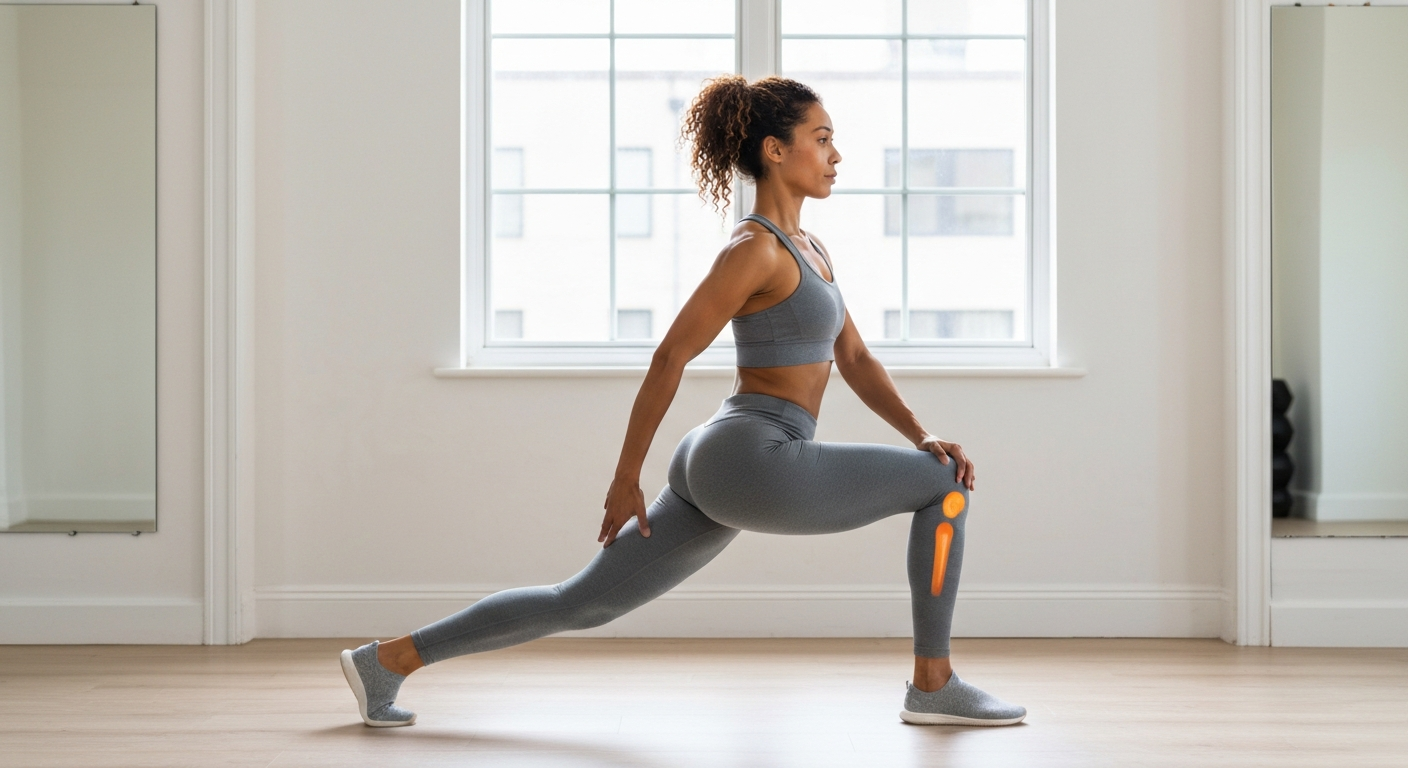
- External snapping — a band of tissue on the outside of your hip (the IT band) slides over the top of your thigh bone, producing a click felt and sometimes heard at the side of the hip
- Internal snapping — a tendon at the front of the hip catches on the pelvis or femoral head as the leg moves from a bent to a straight position, producing a click felt deeper, near the groin
Is a Clicking Hip Something to Worry About?
Clicking by itself, with no pain, is usually harmless — but clicking that comes with pain, swelling, weakness, or a sense that your hip might give way is a different situation that's worth having evaluated.
A medical reviewer summarized this distinction well:
"Many cases of [snapping hip syndrome] are harmless but can increase risk for joint damage." — William Morrison, M.D., medical reviewer at Healthline
That second half matters: even painless snapping, if it happens constantly over months or years, can contribute to irritation and inflammation in the tissue that's repeatedly catching. It's not an emergency, but it's also not something to ignore indefinitely just because it doesn't hurt yet.
Also Read: Foam roller many people use to ease tight hip flexors and IT band
When Should You See a Doctor for Hip Clicking?
See a doctor if your hip clicking is accompanied by any of the following:
- Pain during or after the click, especially pain that's getting worse over time
- Swelling or warmth around the hip joint
- A feeling of instability, catching, or your hip "giving way"
- Clicking that started suddenly after an injury or fall, rather than gradually over time
These signs can point to a labral tear, hip impingement, or tendonitis rather than ordinary snapping hip syndrome, and they generally respond better to treatment the earlier they're addressed.
How to Reduce Hip Clicking
Most painless hip clicking responds well to loosening the tight muscles and tendons that are catching, rather than anything more invasive.
- Stretch the hip flexors and IT band regularly, especially before and after activities that involve a lot of hip flexion like running or cycling
- Strengthen the muscles around the hip and glutes, since weak supporting muscles can make tendons more likely to catch
- Warm up gradually before exercise rather than going straight into intense hip movement from a cold start
- Reduce activities that involve repetitive deep hip flexion for a few weeks if clicking has become frequent or is starting to feel uncomfortable, then reintroduce them gradually
If you're noticing more of a deep popping or catching sensation with movement, rather than a clean click, it may be worth comparing notes against a closely related symptom we've covered separately:
Also Read: Why Is My Hip Popping?
In Short
A clicking hip is most often snapping hip syndrome, a tendon or band of tissue catching on a bony part of the hip — common, usually painless, and rarely serious on its own. Stretching, strengthening, and gradual warmups address most cases. Pain, swelling, instability, or clicking that started after an injury are the signals that mean it's worth seeing a doctor rather than just stretching it out.
What You Also May Want To Know
Is it normal for my hip to click when I walk?
Yes, occasional painless clicking while walking is common and usually harmless, caused by a tendon or muscle catching on a bony part of the hip. It only needs evaluation if it's accompanied by pain, swelling, or a feeling of instability.
Can hip clicking go away on its own?
Often, yes, especially if it's related to tight muscles or tendons that improve with stretching and gradual activity changes. Clicking tied to a structural issue like a labral tear is less likely to resolve without treatment.
Does hip clicking mean I have arthritis?
Not usually. Clicking is much more commonly linked to snapping hip syndrome than to arthritis, which tends to present more with stiffness, aching pain, and reduced range of motion rather than a distinct click.
Why does my hip click more after sitting for a long time?
Prolonged sitting can tighten the hip flexors and IT band, which are the structures most often responsible for snapping hip syndrome, making the click more noticeable the first time you stand up and move after sitting still.
Should I stop exercising if my hip clicks?
Not necessarily, especially if there's no pain. Continuing activity while adding stretching and hip-strengthening work is usually fine. Stop and get evaluated if the clicking is accompanied by pain, swelling, or instability, or if it started suddenly after an injury.
Reviewed and Updated on June 25, 2026 by George Wright