Technology
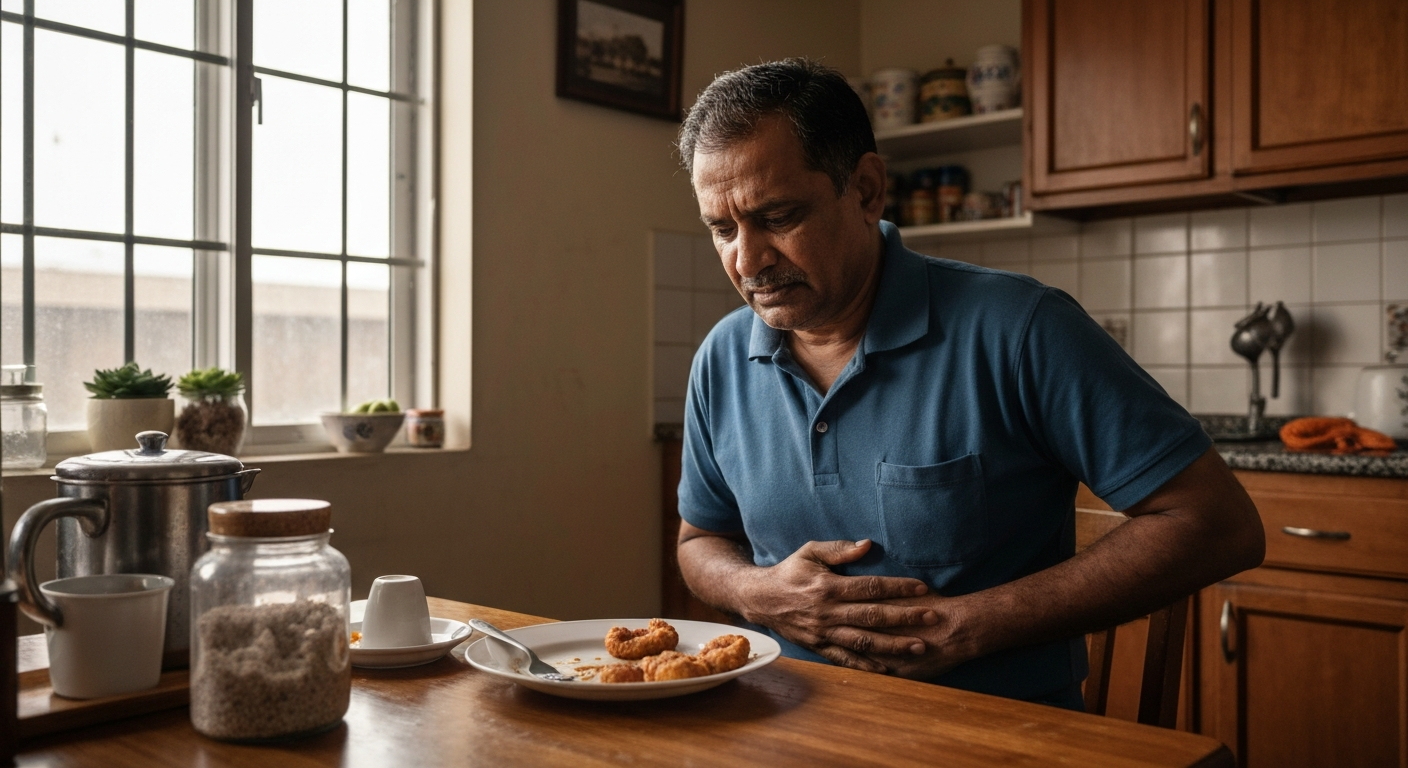

Sticky feces typically result from excess fat in your stool, a condition called steatorrhea, which happens when your body struggles to digest or absorb dietary fats properly — common culprits include a high-fat diet, bile or pancreatic insufficiency, food intolerances, or digestive conditions like celiac disease and IBS.
| ✓Our Pick |
Science-backed supplements for digestive health and nutrient absorption Used by over 10,000 satisfied customers — an easy, affordable option you can start using today. Learn More → |
Healthy stool passes smoothly and requires minimal wiping because it contains the right balance of water, fiber, and digested fats — when that balance tips toward undigested fat or mucus, the texture becomes sticky, thick, and difficult to wipe clean.
Your digestive system relies on a coordinated effort between your stomach, pancreas, liver, gallbladder, and intestines to break down food. Fats are the trickiest macronutrient to process. Your liver produces bile, which your gallbladder stores and releases into your small intestine. Bile emulsifies fats (breaks them into tiny droplets), making them accessible to pancreatic enzymes called lipases. When any step in this chain falters, fat passes through undigested and ends up in your stool.
Undigested fat creates that peanut butter-like consistency many people describe. The stool may also float, look greasy or oily, and have an unusually foul smell. This is different from the occasional soft stool after a rich meal — true steatorrhea is persistent and often accompanied by other symptoms.
"Steatorrhea occurs when more than 7 grams of fat per day appear in the stool, though normal fat excretion is typically less than 7 grams daily even on a high-fat diet." — National Institute of Diabetes and Digestive and Kidney Diseases
| ✓Quick Fix |
See What Solves This in Minutes A low-cost, no-commitment option to rule out before spending more on this problem. See on Amazon → |
Yes, and this is the most common cause. A single high-fat meal — think fast food, fried dishes, cheese-heavy pizza, or fatty cuts of meat — can overwhelm your digestive system's capacity to process all that fat at once. The excess passes through and creates soft, sticky stool that clings to the bowl and requires multiple wipes.
This is typically temporary. If your sticky stool only appears after indulgent meals and resolves within a day or two, dietary fat is likely the culprit. The fix is straightforward: reduce fat intake and see if the consistency normalizes.
Absolutely. Your gallbladder stores bile and releases it when fat enters your small intestine. If you've had your gallbladder removed, have gallstones blocking the bile duct, or have a liver condition affecting bile production, you won't have enough bile to emulsify fats properly.
People who've had cholecystectomy (gallbladder removal) often notice their stool becomes pale, sticky, and difficult to flush — especially after fatty meals. Without a gallbladder reservoir, bile trickles continuously rather than releasing in a concentrated burst when needed.
Also Read: Why Is My Poop Yellow? 7 Causes & When to Worry
Exocrine pancreatic insufficiency (EPI) means your pancreas doesn't produce enough digestive enzymes, particularly lipase. Without adequate lipase, fat digestion fails regardless of how much bile you have. EPI can result from chronic pancreatitis, cystic fibrosis, pancreatic cancer, or even severe diabetes affecting the pancreas.
Signs that point to EPI include:
- Greasy, foul-smelling stools that float
- Unintentional weight loss despite eating normally
- Bloating and gas after meals
- Nutrient deficiencies (especially fat-soluble vitamins A, D, E, K)
"Patients with exocrine pancreatic insufficiency typically present with steatorrhea, weight loss, and fat-soluble vitamin deficiencies due to malabsorption." — American Gastroenterological Association
Lactose intolerance and gluten sensitivity (including celiac disease) both cause sticky, abnormal stools. With lactose intolerance, undigested milk sugar ferments in your gut, producing gas, bloating, and loose, sticky stool. With celiac disease, gluten damages the intestinal lining, impairing absorption of all nutrients — including fats.
Celiac disease is particularly notorious for causing pale, sticky, floating stools. The damage to intestinal villi (tiny finger-like projections that absorb nutrients) creates widespread malabsorption. Many people go years without diagnosis because they assume their digestive issues are normal.
Orange stool combined with stickiness often indicates fat malabsorption specifically. Beta-carotene from orange vegetables (carrots, sweet potatoes, squash) doesn't absorb properly and colors the undigested fat orange. You might also see orange stool if you've taken certain medications, supplements, or eaten foods with artificial orange dyes.
If your orange sticky stool persists beyond a few days without an obvious dietary cause, it warrants investigation for bile duct obstruction or pancreatic issues.
Irritable bowel syndrome (IBS), particularly IBS with diarrhea (IBS-D) or mixed type (IBS-M), frequently causes sticky stool. The gut motility changes mean food moves through your system at irregular speeds, sometimes too fast for complete fat digestion. Mucus overproduction — your intestine's response to irritation — adds to the sticky texture.
People with IBS often report that their stool alternates between hard and soft, sometimes within the same bowel movement. The soft, sticky portions at the end create the cleanup problems.
Bacterial infections (Salmonella, E. coli, Campylobacter), parasites (Giardia, Cryptosporidium), and viral gastroenteritis can all cause temporary sticky stool. These pathogens damage the intestinal lining and speed up transit time, limiting fat absorption.
Giardia infection specifically is known for causing particularly greasy, sticky, foul-smelling stool along with sulfurous gas. If sticky stool appeared suddenly after traveling, camping, or drinking untreated water, infection should be high on your list of suspects.
| Consistency | Common Causes | Key Clues |
|---|---|---|
| Peanut butter-like | High fat diet, malabsorption, EPI | Greasy appearance, foul smell |
| Soft and sticky | IBS, food intolerances, mild fat excess | Alternates with normal stool |
| Thick and tarry | Upper GI bleeding, iron supplements, Pepto-Bismol | Dark black color (seek immediate care if no supplement cause) |
| Sticky with mucus | IBS, colitis, infection | Visible mucus strands |
| Orange and sticky | Beta-carotene malabsorption, bile issues | Recent high-carotene foods |
| Pale and sticky | Bile duct blockage, liver disease | Very light tan or clay-colored |
Most cases of sticky feces resolve with dietary adjustments and patience — start by moderating fat intake and supporting your gut's digestive capacity before assuming something more serious is wrong.
For one week, note what you eat and when sticky stool occurs. You may identify a pattern — maybe it's only after pizza night, or it correlates with heavy cream in your coffee. Reducing obvious fat sources (fried foods, fatty meats, full-fat dairy, rich sauces) for 3-5 days often normalizes stool consistency.
Soluble fiber from oats, beans, apples, and psyllium husk absorbs excess water and fat in your gut, creating bulkier, less sticky stool. Start gradually — adding too much fiber at once causes bloating and gas. Aim for 25-30 grams of total fiber daily.
Over-the-counter digestive enzyme supplements containing lipase can help if your pancreas is underperforming. These are particularly useful after gallbladder removal or for people with mild pancreatic insufficiency. Take them with meals, not on an empty stomach.
Adequate water intake (at least 8 cups daily) helps maintain stool consistency and supports all digestive processes. Dehydration concentrates stool components, potentially worsening stickiness.
Try eliminating dairy for two weeks, then gluten for two weeks, noting changes in stool consistency. If either elimination dramatically improves your symptoms, you've likely identified a trigger.
Also Read: Why Is My Stomach Burning? 11 Causes & How to Stop It
See a doctor promptly if your sticky stool comes with:
- Unintentional weight loss (more than 5% of body weight in 6 months)
- Persistent abdominal pain, especially in the upper right quadrant
- Jaundice (yellowing of skin or eyes)
- Fever lasting more than 3 days
- Blood in your stool (red or black tarry appearance)
- Stool that consistently floats and won't flush
- Symptoms persisting beyond 2 weeks despite dietary changes
These combinations suggest conditions requiring medical diagnosis and treatment — from gallbladder disease to celiac disease to, in rare cases, pancreatic cancer. Early detection improves outcomes for all of these.
Your doctor will likely start with a detailed history of your symptoms, diet, and any medications or supplements. Common diagnostic tests include:
Most people with sticky stool don't need all of these — your doctor will order based on your specific symptom pattern and history.
Also Read: Why Is My Urine Cloudy? 9 Causes & When to See a Doctor
Sticky feces almost always trace back to excess fat passing through your digestive system — whether from eating too much fat, inadequate bile to emulsify it, insufficient pancreatic enzymes to break it down, or intestinal damage preventing absorption. Start by reducing dietary fat and adding soluble fiber for a week. If the problem persists, consider food intolerances or digestive enzyme supplementation. See a doctor if you notice weight loss, jaundice, blood, or symptoms lasting more than two weeks — these warrant investigation for gallbladder, liver, or pancreatic conditions.
That thick, peanut butter consistency indicates undigested fat in your stool. Your body either received more fat than it could process (from a high-fat meal) or something is interfering with fat digestion — commonly bile insufficiency, pancreatic enzyme deficiency, or intestinal malabsorption conditions like celiac disease. If it happens occasionally after rich meals, it's likely dietary. If it's persistent, your digestive system may need evaluation.
Sticky stool that's difficult to wipe clean contains excess fat or mucus that doesn't break apart easily. Fat malabsorption is the primary cause — the undigested fat creates an adhesive texture. Mucus overproduction from IBS or mild intestinal inflammation also contributes. Increasing fiber intake often helps because fiber binds to fat and creates bulkier, cleaner-passing stool.
While sticky stool alone is rarely cancer, persistent fatty stools combined with unexplained weight loss, new-onset diabetes, or upper abdominal pain radiating to the back can indicate pancreatic problems, including pancreatic cancer. Don't panic — the vast majority of sticky stool cases stem from benign causes. But do see a doctor if you have multiple concerning symptoms together or if changes persist beyond two weeks.
Floating stool typically means it contains excess gas or fat — not dangerous on its own. Combined with stickiness and a foul smell, it points toward fat malabsorption. Occasional floating is normal, especially after high-fiber or gas-producing meals. Consistent floating with oily residue in the toilet bowl warrants a conversation with your doctor to rule out pancreatic or bile-related issues.
Most people see improvement within 3-5 days of reducing fat intake and increasing fiber. Your gut lining renews itself every few days, and digestive transit takes 24-72 hours, so changes happen relatively quickly. If two weeks of dietary adjustment don't improve sticky stool, something beyond diet is likely contributing and medical evaluation becomes appropriate.
Reviewed and Updated on June 20, 2026 by George Wright