
Finance
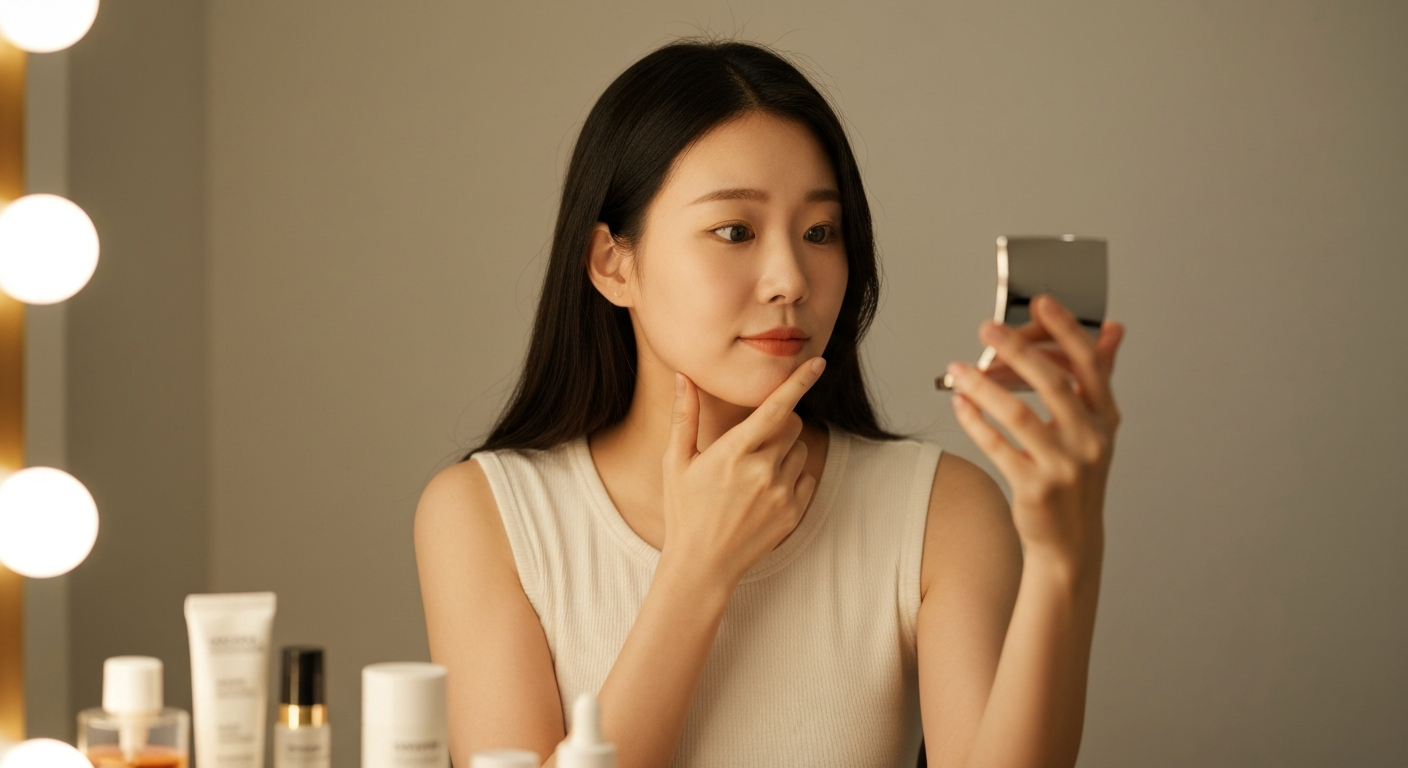

Facial sagging at 20 is caused by factors outside the normal aging timeline — rapid weight loss, genetics, chronic sun exposure, poor sleep and nutrition, or habitual posture and expression patterns. At 20, true age-related collagen loss is minimal; environmental and lifestyle factors are almost always the primary drivers.
Significant facial volume loss and sagging before 30 is almost always driven by modifiable factors — not the natural aging process, which does not meaningfully accelerate until the mid-to-late 30s. Identifying the specific cause points you toward the right intervention.
Facial sagging occurs when the structural supports of the face weaken. These supports are: collagen and elastin (the connective tissue matrix giving skin its firmness), subcutaneous fat (which gives the face its volume and convex contour), and the underlying muscles and bone. At 20, collagen is still being produced near peak levels. What depletes it prematurely — causing sagging earlier than expected — is almost always an external stressor or lifestyle factor.
"Collagen makes up approximately 75% of the dry weight of the skin. Production peaks in the mid-20s and declines at roughly 1% per year thereafter under normal conditions. Environmental factors — particularly UV exposure and smoking — can dramatically accelerate this decline by damaging fibroblasts, the cells responsible for collagen synthesis." — American Academy of Dermatology Association at aad.org
Eight causes explain the vast majority of premature facial sagging in young adults. The first three are the highest-yield areas to address.
Rapid significant weight loss is the most common cause of facial sagging in young adults. The face stores fat in multiple compartments — the cheeks, temporal region, and beneath the chin — that fill out the skin and give the face its youthful contour. When these fat compartments shrink quickly (through crash dieting, extreme caloric restriction, or bariatric surgery), the overlying skin does not have time to contract proportionally. The result is visible laxity, hollowing, and sagging — particularly pronounced under the eyes, around the mouth, and along the jawline.
The fix depends on the extent: maintaining a stable, healthy weight allows some skin to rebound over 6–12 months; more significant volume loss may require patience or, in some cases, cosmetic fillers to restore volume.
Ultraviolet (UV) radiation — even the cumulative, incidental exposure from daily commutes, outdoor activities without sunscreen, or living in a sunny climate — is the single largest external accelerator of skin aging. UV-A rays (which penetrate window glass) destroy elastin and degrade collagen by generating reactive oxygen species that damage fibroblasts. This photoaging process can be meaningfully advanced by age 20 in people who grew up without consistent sun protection.
Prevention: SPF 30+ broad-spectrum sunscreen daily, regardless of weather. Reapplication every 2 hours outdoors. This is the highest-evidence intervention for preventing further sagging.
Also Read: Why Are My Stretch Marks Itching? 7 Causes & Relief Tips
Facial bone structure varies significantly between individuals and ethnic backgrounds. People with less prominent cheekbones or a less defined orbital rim (the bony ring around the eyes) have less structural scaffolding to hold soft tissue up, which can make the face appear to sag even with normal tissue volume. Similarly, some people have naturally smaller buccal fat pads, which creates a more hollowed, sunken appearance rather than a full, lifted one. These structural differences are inherited — they are not a sign of accelerated aging or poor health.
Chronic poor sleep and high cortisol (the stress hormone) are well-documented skin agers. Sleep deprivation reduces growth hormone secretion, which is required for collagen repair. High cortisol degrades collagen directly and promotes chronic inflammation that impairs the skin's structural integrity. A young person with severe chronic stress, poor sleep, and high alcohol consumption can show skin quality a decade older than their peers.
| ✓Our Pick |
Try Clear Wellness 360 collagen supplements for skin elasticity and firmness A top-rated pick that works — readers who tried this reported noticeable improvement within days. Learn More → |
Skin cells rely on adequate hydration to maintain their volume and turgor (internal pressure). Chronically dehydrated skin appears more lax, fine lines become more pronounced, and the overall face looks less full and lifted. Alcohol consumption accelerates dehydration significantly. Caffeine has a mild diuretic effect. Increasing daily water intake (aim for roughly 2–3 liters per day for most adults) and reducing alcohol improves skin plumpness within days to weeks.
Sleeping consistently on one side causes the face on that side to be compressed for 6–8 hours nightly, which over years contributes to asymmetrical skin laxity. Habitually resting the chin in the hand, squinting from screen glare, or furrowing the brow creates repetitive mechanical stress on the same skin areas. These are slow-burn factors that accumulate over years rather than months.
Nicotine constricts blood vessels in the skin, reducing oxygen and nutrient delivery to fibroblasts — the cells that make collagen. Cigarette smoke also directly exposes skin to over 4,000 chemical compounds, many of which generate free radicals that attack the collagen matrix. Smokers consistently look older than their chronological age. Vaping's effect on skin is less studied but the nicotine component produces the same vasoconstriction mechanism.
Conditions that cause rapid weight loss (thyroid dysfunction, malabsorption, celiac disease) or that affect collagen synthesis (Ehlers-Danlos syndrome, lupus, other connective tissue disorders) can produce premature facial sagging. If the sagging appeared rapidly without a clear lifestyle cause, a basic panel including thyroid function, iron, vitamin D, and an inflammatory marker is worth discussing with your GP.
"Premature skin laxity in young adults is most frequently associated with significant weight fluctuation, cumulative UV damage, and lifestyle factors including smoking and sleep disruption. These accelerators work by reducing fibroblast activity and increasing matrix metalloproteinase activity, which breaks down collagen and elastin faster than the skin can replace them." — Journal of Clinical and Aesthetic Dermatology at jcadonline.com
| Cause | Lifestyle Fix | Clinical Option |
|---|---|---|
| Rapid weight loss | Weight stabilization; patience | Fillers to restore volume |
| Sun damage | Daily SPF 30+; antioxidant serum | Retinoids; laser resurfacing |
| Dehydration | Hydration; reduce alcohol | Hyaluronic acid fillers |
| Stress/poor sleep | Sleep hygiene; stress management | Collagen-stimulating treatments |
| Genetics (bone structure) | Limited | Filler contouring; facial exercises |
Facial sagging at 20 is almost always caused by weight loss, UV damage, dehydration, or lifestyle factors — not the natural aging clock. The highest-yield changes are: stabilize your weight, use daily SPF, improve sleep quality, and stay well hydrated. Most of these cause real, visible improvement over 3–6 months without any clinical intervention.
Some evidence suggests targeted facial exercises (such as those in the Facial Yoga movement) can modestly increase muscle tone and improve the appearance of volume in the mid-face. Results are subtle and take consistent practice over months. Exercises are most effective for improving muscle definition rather than true skin sagging from collagen loss.
Yes — it is the most evidence-supported topical intervention for preventing further premature aging. SPF blocks UV-A and UV-B radiation before it can degrade collagen and elastin. Retinoids (vitamin A derivatives, available over-the-counter as retinol) are the second most evidence-supported topical, as they directly stimulate collagen synthesis. Using both daily from an early age produces measurably better skin quality at 40 compared to those who start later.
If the cause is weight loss, some skin rebound occurs naturally over 6–12 months at stable weight. If the cause is UV damage, stopping further damage and starting a retinoid can improve appearance over 6–12 months but does not fully reverse past damage. Hyaluronic acid fillers can immediately restore volume. True skin laxity (stretched, thin skin) is harder to reverse without clinical treatment.
Some randomized controlled trials have shown that hydrolyzed collagen peptides (taken orally) modestly improve skin elasticity and hydration over 8–12 weeks of daily use. The effect is real but not dramatic. Combined with adequate protein intake, hydration, and vitamin C (needed for collagen synthesis), supplementation may support the skin's structural matrix over time.
Reviewed and Updated on June 5, 2026 by George Wright