Technology
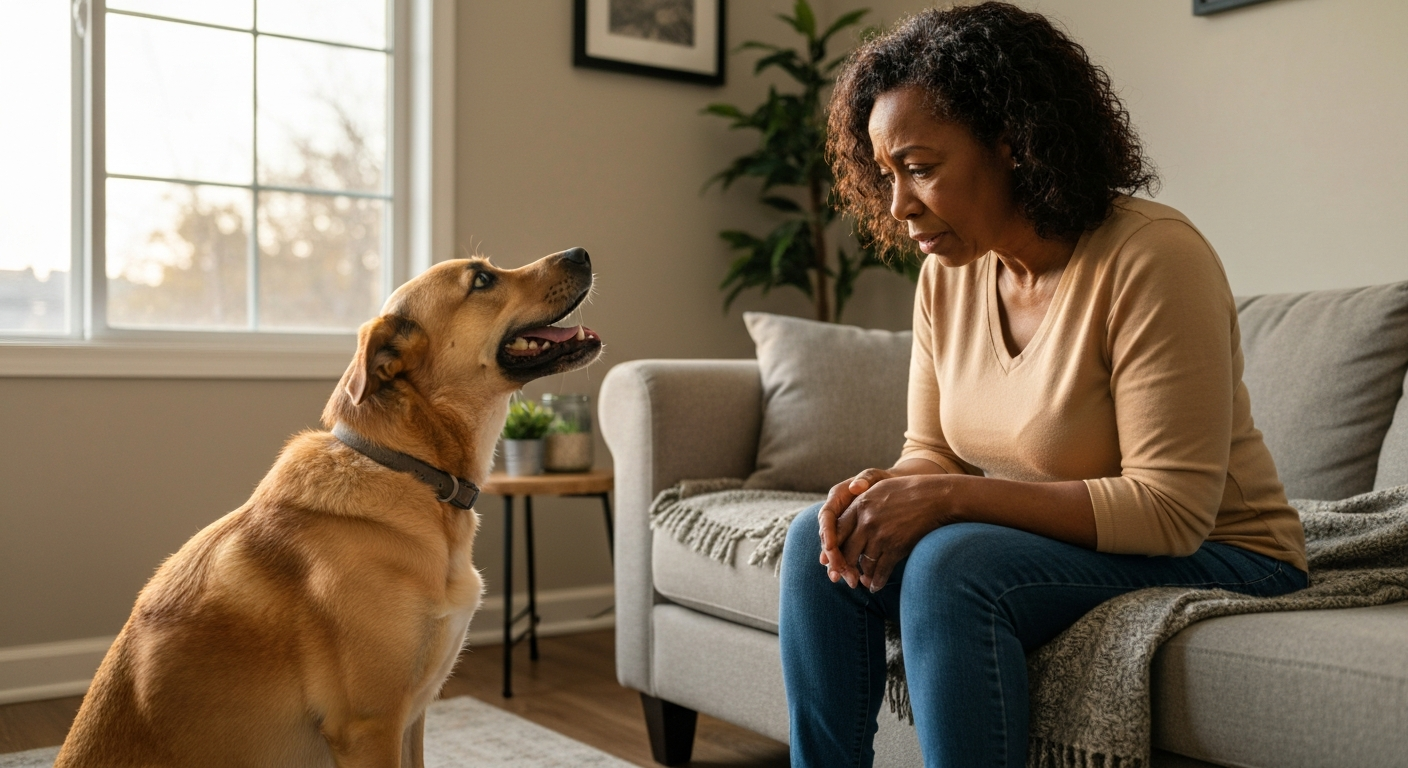

Dogs whine to communicate a specific need or emotional state—most commonly because they want attention, feel anxious, need to go outside, are in pain, or are excited. Whining is one of your dog's primary vocal tools, alongside barking and growling, and it always carries a message. The key to stopping excessive whining is identifying the underlying cause, then addressing it directly rather than simply trying to silence the behavior.
| ✓Our Pick |
Top Rated Calming Aids for Anxious Dogs on Amazon Consistently earns five-star reviews — reliable, well-supported, and genuinely effective. See on Amazon → |
Your dog's whining almost always falls into one of nine categories: attention-seeking, anxiety, physical discomfort, excitement, a need to go outside, hunger or thirst, frustration, age-related cognitive changes, or learned behavior.
Understanding which category applies to your dog helps you respond appropriately. Many owners find that once they crack the code, the whining resolves quickly.
Attention-seeking is the most common cause of whining in otherwise healthy dogs. Your dog has learned that making noise gets you to look at them, talk to them, or interact with them. Even negative attention—telling them to stop—reinforces the behavior because they got a response.
Dogs are social animals who crave interaction. If your dog whines when you're on the phone, working at your computer, or talking to another person, attention-seeking is the likely culprit.
Anxiety-related whining often comes with other body language signals. Look for pacing, lip licking, yawning when not tired, tucked tail, or ears pinned back. Separation anxiety causes whining specifically when you prepare to leave or after you've gone.
"Dogs with separation anxiety often begin to show signs of distress even before their owner leaves. This may include pacing, trembling, and whining as the owner picks up keys or puts on a coat." — Dr. Gary Landsberg, DVM at VCA Animal Hospitals
Storm phobia, noise sensitivity, and general nervousness also trigger whining. Some dogs whine in the car, at the vet's office, or around unfamiliar people.
Pain-related whining sounds different from other types. It's often higher-pitched, more urgent, and may come in short bursts. Your dog might whine when moving, being touched in a specific area, or getting up from rest.
Watch for these accompanying signs: limping, reluctance to jump or climb stairs, changes in appetite, excessive licking of one body part, or uncharacteristic aggression when handled. Senior dogs with arthritis commonly whine when their joints are stiff, especially first thing in the morning.
Also Read: Why Is My Dog Crying? 9 Causes & What to Do
Excitement whining is easy to identify because your dog's body language is unmistakably happy. Tail wagging, spinning in circles, play bows, and relaxed ears accompany the whining. This typically happens when you come home, when they see their leash, or when they anticipate a meal.
While excitement whining isn't problematic in itself, reinforcing it can escalate the behavior. Dogs who learn that whining leads to walks, food, or play will whine more intensely over time.
Some dogs whine specifically to signal they need a bathroom break. This is actually a helpful behavior—your dog is communicating rather than having an accident. The whining usually happens near the door and may include looking back and forth between you and the exit.
If your previously house-trained dog suddenly starts whining to go out more frequently, a veterinary visit is warranted. Increased urination can signal diabetes, kidney issues, or urinary tract infections.
Dogs on a regular feeding schedule know when mealtime approaches. Whining that starts around the same time each day and stops after eating points to hunger. Check that your dog's water bowl isn't empty, especially in warm weather.
Frustrated dogs whine when they can't reach something they want. A toy under the couch, a squirrel outside the window, or another dog across the fence can trigger this behavior. The whining often escalates to barking if the frustration continues.
Senior dogs may develop canine cognitive dysfunction (CCD), sometimes called doggy dementia. Affected dogs often whine at night, appear confused, and may not respond to their name or familiar commands. Night-time disorientation is particularly common.
"Canine cognitive dysfunction affects approximately 28% of dogs aged 11 to 12 years and 68% of dogs aged 15 to 16 years." — Dr. Melissa Bain, DVM at Merck Veterinary Manual
Every time your dog whines and receives what they want—whether that's food, attention, or access to something—the behavior gets reinforced. Over weeks and months, intermittent reinforcement creates persistent whining that can feel impossible to stop.
| ✓Our Pick |
Petcube Emergency Fund — 24/7 vet access + $3,000 emergency coverage for your pet Trusted by professionals and everyday users alike — a smart investment that pays for itself. Learn More → |
Nighttime whining has its own set of common causes, including needing a bathroom break, feeling isolated, experiencing anxiety in the dark, hearing noises you can't detect, or dealing with age-related confusion.
Many owners find that their dog whines only at night, especially if the dog sleeps in a separate room. Dogs have excellent hearing and may react to sounds outside that don't wake you—animals moving around, distant sirens, or neighbors coming home late.
Puppies and newly adopted dogs commonly whine at night because they haven't adjusted to sleeping alone. Dogs are den animals who naturally sleep in groups for safety and warmth. Being isolated in a crate or separate room goes against their instincts.
| Nighttime Whining Cause | Key Signs | Typical Solution |
|---|---|---|
| Bathroom need | Pacing, moving toward door | Later evening potty break |
| Isolation distress | Settles when you're nearby | Gradual crate training or room access |
| Noise reactivity | Whines at irregular intervals | White noise machine |
| Cognitive dysfunction | Appears confused, disoriented | Vet evaluation, environment aids |
| Pain/discomfort | Difficulty lying down, restless | Orthopedic bed, vet visit |
| Hunger | Occurs before breakfast time | Small late-night snack |
| ✓Our Pick |
Premium Orthopedic Dog Beds for Joint Support on Amazon No special skills required — straightforward to use and most orders ship quickly. See on Amazon → |
| ✓Our Pick |
Nextrition Pet — Premium Science-Backed Dog & Cat Food High-quality nutrition to support digestion, coat health, and energy. 🏷New customers: SUN26_20 (20% off) — Returning customers: SUN26_15 (15% off) — expires June 30 Learn More → |
The correct approach depends entirely on why your dog is whining—ignoring attention-seeking works, but ignoring pain or anxiety makes things worse.
Do not look at, speak to, or touch your dog while they're whining for attention. Wait for even a brief moment of silence, then calmly reward the quiet with attention. This teaches your dog that silence—not noise—gets results.
Consistency is critical. If you ignore the whining nine times but give in on the tenth, you've taught your dog to whine longer because persistence eventually pays off.
Address the source of anxiety directly. For separation anxiety, practice short departures and gradually increase duration. Desensitization training helps dogs who fear storms, car rides, or the vet.
Calming aids can provide relief while you work on behavior modification. Options include:
| ✓Our Pick |
ThunderShirts and Anxiety Wraps for Dogs on Amazon This is the go-to fix recommended by professionals — save time and money by getting it right the first time. See on Amazon → |
Schedule a veterinary appointment promptly. Do not give your dog human pain medications—many are toxic to dogs. Your vet can identify the source of pain and prescribe appropriate treatment.
For dogs with chronic pain from arthritis, management strategies include joint supplements, prescription pain medication, weight management, low-impact exercise, and raised food bowls.
Teach your dog that calm behavior earns rewards. When you come home, ignore your dog completely until they settle down. Only greet them once all four paws are on the floor and the whining has stopped.
Before exciting events like walks, ask for a sit. The walk only happens after your dog sits quietly. This channels excitement into a behavior you control.
Breaking reinforced whining requires patience. Expect the behavior to temporarily get worse before it gets better—this is called an extinction burst. Your dog will try whining louder and longer because it used to work. Stay consistent, and the behavior will eventually fade.
Seek veterinary care if your dog's whining is sudden, accompanied by physical symptoms, or occurs alongside behavior changes like lethargy or loss of appetite.
| 🐾Find a Vet |
Find a specialist vet near you VetClinic.info is a free directory of board-certified specialist vets across the US — find an orthopedic surgeon, oncologist, neurologist, or emergency clinic near you in seconds. Find Near You → |
Immediate vet visits are warranted for:
Your vet can rule out medical causes like ear infections, dental pain, gastrointestinal issues, or urinary tract problems that might not be obvious from the outside.
Also Read: Why Is My Dog Drooling So Much? 9 Causes & When to Worry
Modern dog training emphasizes positive reinforcement—rewarding desired behavior rather than punishing unwanted behavior.
Punishment-based methods for whining often backfire. Yelling, squirting water, or using shock collars may temporarily suppress whining, but they increase anxiety, damage your bond with your dog, and don't address the underlying cause.
Effective approaches include:
Dogs whine to communicate needs ranging from wanting attention to experiencing pain, and the correct response depends on accurately identifying the cause. Attention-seeking whining should be ignored while pain and anxiety require direct intervention. Nighttime whining often stems from isolation, bathroom needs, or age-related cognitive changes. Positive reinforcement training works better than punishment for reducing unwanted whining. When whining is sudden, severe, or accompanied by physical symptoms, veterinary evaluation is essential to rule out medical causes.
Dogs perceive things we can't detect—distant sounds, subtle changes in routine, or residual stress from earlier in the day. What looks like whining "for no reason" usually has a cause that isn't obvious to humans. Keep a log of when the whining occurs to identify patterns you might be missing.
Sudden increases in whining warrant attention. Common causes include new pain or illness, changes in the household (new pet, new baby, someone moving out), anxiety triggers you may not have noticed, or the start of a heat cycle in unspayed females. A vet visit is wise if the change is dramatic.
Yes, older dogs can learn new behaviors, though it may take longer than with puppies. The principles are the same: identify the cause, don't reinforce unwanted whining, and reward quiet behavior. For senior dogs with cognitive dysfunction, training has limited effectiveness—management and medication are more appropriate.
Ignoring only works for attention-seeking whining. If your dog is whining because of pain, anxiety, or a genuine need like going outside, ignoring will not resolve the behavior and may make your dog's condition worse. Always identify the cause before deciding on your response.
This depends on the cause. Comforting a dog who is genuinely afraid or in pain is appropriate and humane. Comforting a dog who is whining to manipulate you into giving attention reinforces the behavior. Learn to read your dog's body language to tell the difference between emotional distress and manipulation.
Reviewed and Updated on June 3, 2026 by George Wright