
DIY
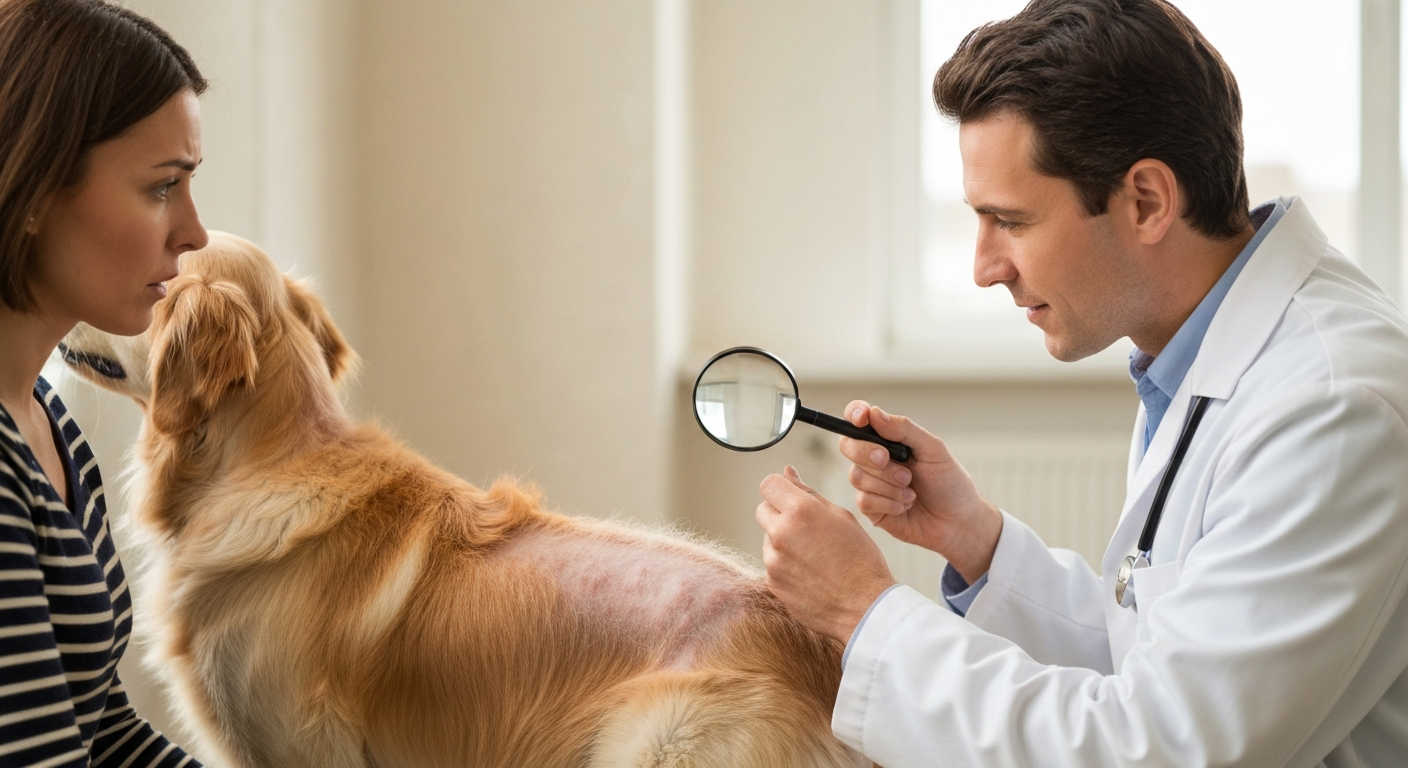

Your dog is losing hair because of one (or more) of these common causes: seasonal shedding, allergies, parasites like fleas or mites, bacterial or fungal skin infections, hormonal imbalances such as hypothyroidism or Cushing's disease, stress, or poor nutrition.
Pinpointing which one is affecting your pup depends on where the hair loss is happening, whether the skin looks normal or irritated, and how quickly the fur is falling out. In some cases, hair loss is completely normal — dogs shed. In others, bald patches, clumps of fur coming out, or thinning coats signal an underlying health issue that needs veterinary attention. This guide walks you through the 11 most common reasons your dog's hair is falling out, how to tell them apart, and what you can do about each one in 2026.
| 🐾Find a Vet |
Find a specialist vet near you VetClinic.info is a free directory of board-certified specialist vets across the US — find an orthopedic surgeon, oncologist, neurologist, or emergency clinic near you in seconds. Find Near You → |
Before you panic, know this: most dogs shed year-round, and some breeds shed heavily twice a year during seasonal "coat blows" — this is normal and not the same as pathological hair loss.
Normal shedding means fur comes out evenly across the body, the skin underneath looks healthy, and new hair grows in to replace what falls out. You might find tumbleweeds of fur on your couch, but your dog's coat still looks full.
Abnormal hair loss (alopecia) looks different. Watch for:
If your dog's hair is falling out in patches, leaving bald spots, or the skin looks abnormal, that's your cue to investigate further.
Double-coated breeds like Huskies, German Shepherds, and Golden Retrievers "blow" their undercoat twice yearly, releasing massive amounts of fur over 2–4 weeks.
This shedding can look alarming — clumps of fur come out during brushing, and you might wonder if something is wrong. It's not. The fur loss is diffuse (spread across the whole body), the skin underneath looks normal, and the shedding resolves on its own.
If your female dog seems to be shedding more than usual, hormonal fluctuations during heat cycles or after pregnancy can also trigger heavier-than-normal coat loss.
Allergies are the single most common cause of excessive scratching and secondary hair loss in dogs — the fur falls out because your dog keeps chewing, licking, or scratching the itchy areas raw.
Dogs can be allergic to:
Allergic dogs typically lose hair on their paws, belly, armpits, ears, and face. The skin often looks red or inflamed. You might notice your dog licking their feet obsessively or rubbing their face on the carpet.
"Atopic dermatitis affects approximately 10% to 15% of dogs, with clinical signs typically appearing between 1 and 3 years of age." — Dr. William H. Miller Jr. at Cornell University College of Veterinary Medicine
| ✓Our Pick |
Emergency vet coverage for sudden allergic reactions or skin infections A top-rated pick that works — readers who tried this reported noticeable improvement within days. Learn More → |
Even one flea bite can cause dramatic hair loss in dogs allergic to flea saliva — you'll typically see bald patches on the lower back, tail base, and hind legs.
Many owners say, "But I don't see any fleas!" That's common. Allergic dogs groom obsessively, removing the evidence. But the damage is done: intense itching leads to scratching, which leads to hair loss, hot spots, and sometimes secondary bacterial infections.
Check for "flea dirt" (tiny black specks that turn red-brown when wet) by running a fine-toothed comb through your dog's fur near the tail base.
Two types of mange cause distinct hair loss patterns: demodectic mange often starts around the eyes and face, while sarcoptic mange creates intense itching and crusty bald spots anywhere on the body.
Demodectic mange (Demodex mites) typically appears in puppies or immunocompromised adult dogs. You might notice your dog losing hair around the eyes, muzzle, or front legs first. The patches often look moth-eaten but may not be especially itchy.
Sarcoptic mange (Sarcoptes mites) is highly contagious and extremely itchy. Dogs with sarcoptic mange scratch constantly, and the hair loss spreads rapidly. The skin becomes crusty, thickened, and inflamed.
Both require veterinary diagnosis through skin scrapings and prescription treatment.
Ringworm (a fungal infection) causes classic circular bald patches with scaly edges, while bacterial infections often create red, oozing areas where the fur falls out in irregular clumps.
Ringworm patches typically expand outward in a ring pattern. Despite the name, it's not a worm — it's a fungus that invades the hair follicle, causing the hair to break off. Ringworm is contagious to other pets and humans.
Bacterial skin infections (pyoderma) often develop secondary to another problem — allergies, cuts, or moisture trapped in skin folds. You'll see pus, crusting, or small bumps along with the hair loss.
| Condition | Appearance | Location | Contagious? |
|---|---|---|---|
| Ringworm | Circular, scaly, ring-shaped patches | Anywhere, often head/ears/legs | Yes (pets and humans) |
| Bacterial pyoderma | Red, oozing, crusty irregular areas | Skin folds, belly, areas of trauma | Usually no |
| Yeast infection | Greasy, smelly, darkened skin | Ears, paws, skin folds | No |
Hypothyroidism and Cushing's disease are the two most common hormonal causes of hair loss in dogs — both cause symmetrical thinning without itching.
Hypothyroidism (underactive thyroid) slows metabolism and disrupts the hair growth cycle. Dogs with hypothyroidism often lose fur on their trunk and tail while the head and legs stay normal. The coat becomes dull, dry, and thin. Other signs include weight gain, lethargy, and seeking warm spots.
Cushing's disease (excess cortisol production) causes similar symmetrical hair loss, often on the flanks and belly. Dogs with Cushing's also drink and urinate excessively, develop a pot-bellied appearance, and may have thin, fragile skin.
"Hair loss associated with endocrine disease is typically bilaterally symmetrical and non-pruritic, meaning the dog doesn't scratch at it." — Dr. David Bruyette at VCA Specialty Veterinary Care
Both conditions require blood tests to diagnose and respond well to medication once identified.
Hair loss specifically on the back, tail, or tail base points to flea allergy dermatitis, hormonal issues, or a condition called "rat tail" in certain breeds.
If the hair loss is at the tail base and rump, check for fleas first. This location is classic for flea allergy dermatitis.
If your dog is losing hair along the entire back or the tail looks thin and bald, hormonal conditions become more likely. Some dogs develop "black skin disease" (alopecia X), which causes hair loss on the trunk while sparing the head and legs.
Breeds prone to tail hair loss include Labrador Retrievers (who can develop "cold tail" that also causes temporary hair loss), Greyhounds, and dogs with hypothyroidism.
| ✓Our Pick |
Science-backed pet supplements for coat and skin health This is what many people find solves the problem quickly, without a costly professional visit. Learn More → |
New to Nextrition? Use code GARDEN26_20 at checkout for 20% off your first bag — valid through May 31.
Hair loss around the eyes typically indicates demodectic mange in puppies, allergies in adult dogs, or tear staining causing skin irritation in brachycephalic breeds.
In puppies, localized demodectic mange often starts around the eyes and muzzle. The patches are usually small, slightly bald, and not very itchy. Most cases resolve on their own as the puppy's immune system matures.
In adult dogs, periocular (around-the-eye) hair loss may result from:
If the hair loss spreads or the skin looks angry, see your vet.
Dogs under chronic stress may lick or chew themselves excessively, creating bald spots — this is called "psychogenic alopecia" or acral lick dermatitis.
Common stressors include:
The hair loss from stress is typically concentrated on areas the dog can reach easily — paws, legs, and flanks. You might catch your dog in the act of licking obsessively.
Addressing the underlying stressor is key. Environmental enrichment, exercise, and in some cases anti-anxiety medication can help.
Dogs eating poor-quality diets or those with absorption issues may develop dull, thinning coats — essential fatty acids, zinc, and protein deficiencies all impact hair growth.
A dog's coat requires adequate protein (hair is made of keratin, a protein), omega-3 and omega-6 fatty acids, zinc, and biotin to stay healthy. Dogs on extremely cheap foods, homemade diets without proper supplementation, or those with digestive conditions may not absorb enough of these nutrients.
Signs of nutritional hair loss include:
Switching to a higher-quality diet often produces visible coat improvement within 4–6 weeks.
Some breeds are genetically predisposed to hair loss patterns that aren't caused by disease — including pattern baldness in Dachshunds, color dilution alopecia in blue-coated dogs, and seasonal flank alopecia.
Pattern baldness (canine pattern alopecia): Dachshunds, Chihuahuas, and Greyhounds commonly develop gradual hair thinning on the ears, chest, and belly after age 1. It's cosmetic only.
Color dilution alopecia: Dogs with dilute coat colors (blue, fawn, Isabella) may develop patchy hair loss starting around 6 months to 3 years old. Common in Dobermans, Italian Greyhounds, and Weimaraners.
Seasonal flank alopecia: Boxers, Bulldogs, and Airedales sometimes develop symmetrical bald patches on their flanks in fall or winter that regrow in spring. The cause isn't fully understood.
If your dog's hair loss came on suddenly, is spreading rapidly, involves abnormal skin, or is accompanied by other symptoms like lethargy or excessive thirst, schedule a vet appointment within days rather than weeks.
See your vet promptly if:
Your vet will likely perform a physical exam, skin scraping (to check for mites), fungal culture (for ringworm), and possibly blood tests to check thyroid and adrenal function.
| 🐾Find a Vet |
Find a specialist vet near you VetClinic.info is a free directory of board-certified specialist vets across the US — find an orthopedic surgeon, oncologist, neurologist, or emergency clinic near you in seconds. Find Near You → |
| Cause | Treatment Approach | Timeline for Improvement |
|---|---|---|
| Seasonal shedding | Regular brushing, omega fatty acid supplements | 2–4 weeks (natural cycle) |
| Allergies | Identify and remove allergen, antihistamines, immunotherapy | 4–12 weeks |
| Fleas | Prescription flea prevention, environmental treatment | 2–4 weeks |
| Mange | Prescription antiparasitic medication | 4–8 weeks |
| Ringworm | Antifungal medication (topical and/or oral) | 6–8 weeks |
| Hypothyroidism | Daily thyroid hormone replacement | 4–12 weeks for coat |
| Cushing's disease | Medication (trilostane or mitotane) or surgery | 3–6 months |
| Nutritional deficiency | Diet upgrade, fatty acid supplements | 4–8 weeks |
| Stress | Address underlying stressor, behavioral modification | Variable |
For any hair loss situation, supporting skin and coat health with omega fatty acid supplements and a high-quality diet accelerates regrowth once the underlying cause is addressed.
Also Read: Why Is My Part So Wide? 7 Causes & How to Fix It
Your dog's hair loss has a cause — the key is identifying whether it's normal shedding, parasites, allergies, infection, or a hormonal imbalance. Location matters: tail base hair loss often means fleas, symmetrical trunk loss suggests hormones, and itchy patchy loss points to allergies or infections. Most causes are treatable, and many dogs regrow their coats fully within weeks to months once the underlying issue is addressed. If the hair loss is sudden, spreading, or accompanied by skin changes, see your vet — blood tests and skin scrapings can pinpoint the problem quickly.
Hair falling out in clumps typically indicates an active skin problem rather than normal shedding. The most common causes are severe flea infestation, bacterial skin infection, or ringworm. When clumps pull out easily and leave bare skin behind, the hair follicles are being damaged by inflammation, infection, or parasites. This warrants a vet visit to identify and treat the underlying cause.
Female dogs often shed more heavily after heat cycles, during pregnancy, or while nursing puppies. Hormonal fluctuations affect the hair growth cycle, triggering increased shedding that resolves once hormones stabilize. If the heavy shedding doesn't coincide with reproductive events or continues for months, other causes like hypothyroidism, allergies, or nutritional deficiencies should be investigated.
A single missing patch usually indicates localized trauma, a hot spot, ringworm, or the start of demodectic mange. Look closely at the skin in that patch: if it's red and oozing, suspect a hot spot or bacterial infection. If it's scaly
Reviewed and Updated on May 23, 2026 by George Wright