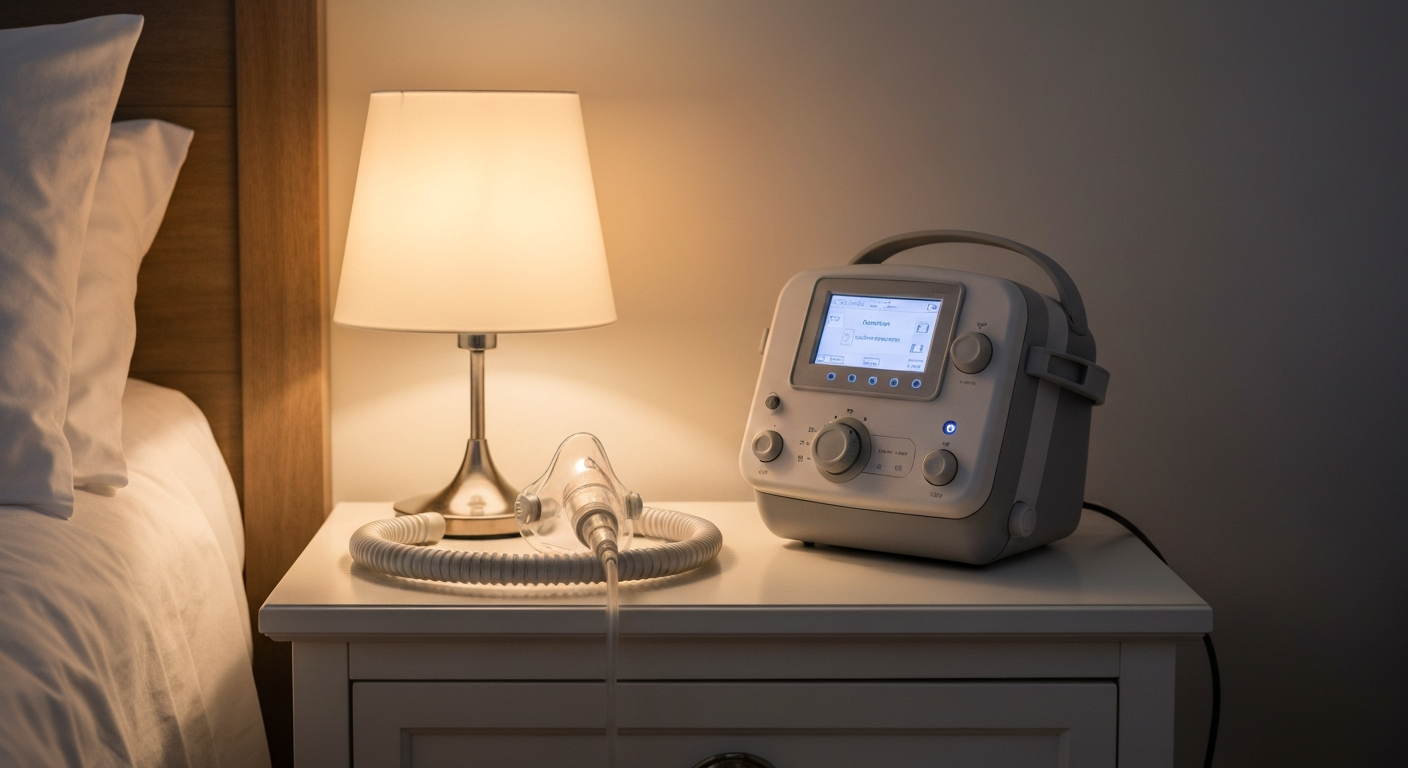
A noisy CPAP machine almost always comes down to one of three things: an air leak around the mask, a dirty or worn-out filter, or condensation building up in the tubing — all three are fixable without calling the manufacturer. Modern CPAP machines are designed to run at around 25-30 decibels, close to a whisper, so any hissing, whistling, or grinding sound is a sign something specific needs attention, not just normal operation.
| ✓Our Pick |
Shop replacement CPAP filters and cleaning supplies Highly rated by thousands of buyers — this is one of the most effective solutions for this issue you can try at home. See on Amazon → |
Mask Leaks Are the Most Common Cause
A poorly sealed mask is the single most frequent source of CPAP noise, and it's usually the easiest to fix.
"Hissing, whooshing, or whistling sounds could be an indication that your CPAP machine has an air leak." — Cassandra Burns, SleepApnea.org
Check the mask seal against your skin first — a cushion that's stretched out, twisted, or simply the wrong size will leak air no matter how tightly you adjust the straps. Facial hair, sleeping position changes, and worn-out silicone all loosen a seal over time, so a mask that fit perfectly six months ago can start leaking without any obvious cause.
Dirty Filters Make the Motor Work Harder — and Louder
A clogged filter is the second most common culprit, and it's often overlooked because it doesn't fail outright — it just gradually forces the machine to work harder.
"CPAP filters provide you with clean air to breathe, but they need to be replaced regularly." — Cassandra Burns, SleepApnea.org
As a filter clogs with dust and debris, the motor has to pull harder to push the same volume of air through, and that extra effort shows up as added noise. Most machines need a filter check every two weeks and a full replacement every one to three months, depending on the model and how dusty your bedroom air is.
Condensation and Humidifier Settings
If your machine includes a heated humidifier, water condensing inside the tubing as room-temperature air meets warm, moist air can cause a distinct gurgling or hissing sound, especially in a cool bedroom. Lowering the humidifier's heat setting slightly, or using a heated tube if your machine supports one, usually resolves this without sacrificing the humidity itself.
Also Read: ResMed CPAP Not Turning On: 5 Causes and How to Fix It
Quick Noise Diagnosis
| Sound |
Likely cause |
Fix |
| Hissing or whistling |
Mask leak |
Check seal, reseat mask, replace worn cushion |
| Increasing motor whine over weeks |
Dirty filter |
Clean or replace filter |
| Gurgling |
Humidifier condensation |
Lower humidifier heat setting or use heated tubing |
| Clunking or grinding |
Mechanical wear |
Contact manufacturer — don't ignore this one |
In Short
Most noisy CPAP machines are leaking air around the mask, working harder through a dirty filter, or gurgling from humidifier condensation — all three are fixable at home with a mask check, a filter swap, or a humidity adjustment. A sudden clunking, whining, or grinding sound is the one exception worth contacting the manufacturer about directly, since that points to a mechanical issue rather than routine maintenance.
What You Also May Want To Know
How often should I replace my CPAP filter?
Most manufacturers recommend checking reusable filters every two weeks and replacing disposable filters every one to three months, though dustier environments may need more frequent changes.
Why did my CPAP suddenly get louder after months of being quiet?
A gradual increase usually points to a clogged filter or a mask seal that's worn out over time, rather than a sudden mechanical failure, which tends to sound more like clunking or grinding.
Can a CPAP mask leak even if it used to fit perfectly?
Yes. Cushion material breaks down over months of use, and changes like weight fluctuation, facial hair, or simply sleeping in a new position can all affect the seal even on a mask that once fit well.
Is it normal for a CPAP humidifier to make a gurgling sound?
An occasional gurgle from condensation is common, especially in a cool room, but a persistent or loud gurgle usually means the humidifier heat setting is too high relative to the room temperature and is worth adjusting.
When should I contact the manufacturer instead of troubleshooting myself?
If you hear clunking, grinding, or a whining sound that wasn't there before and doesn't resolve with a filter or mask check, that points to a mechanical issue that's best handled by the manufacturer rather than home troubleshooting.
Reviewed and Updated on June 20, 2026 by George Wright