Finance
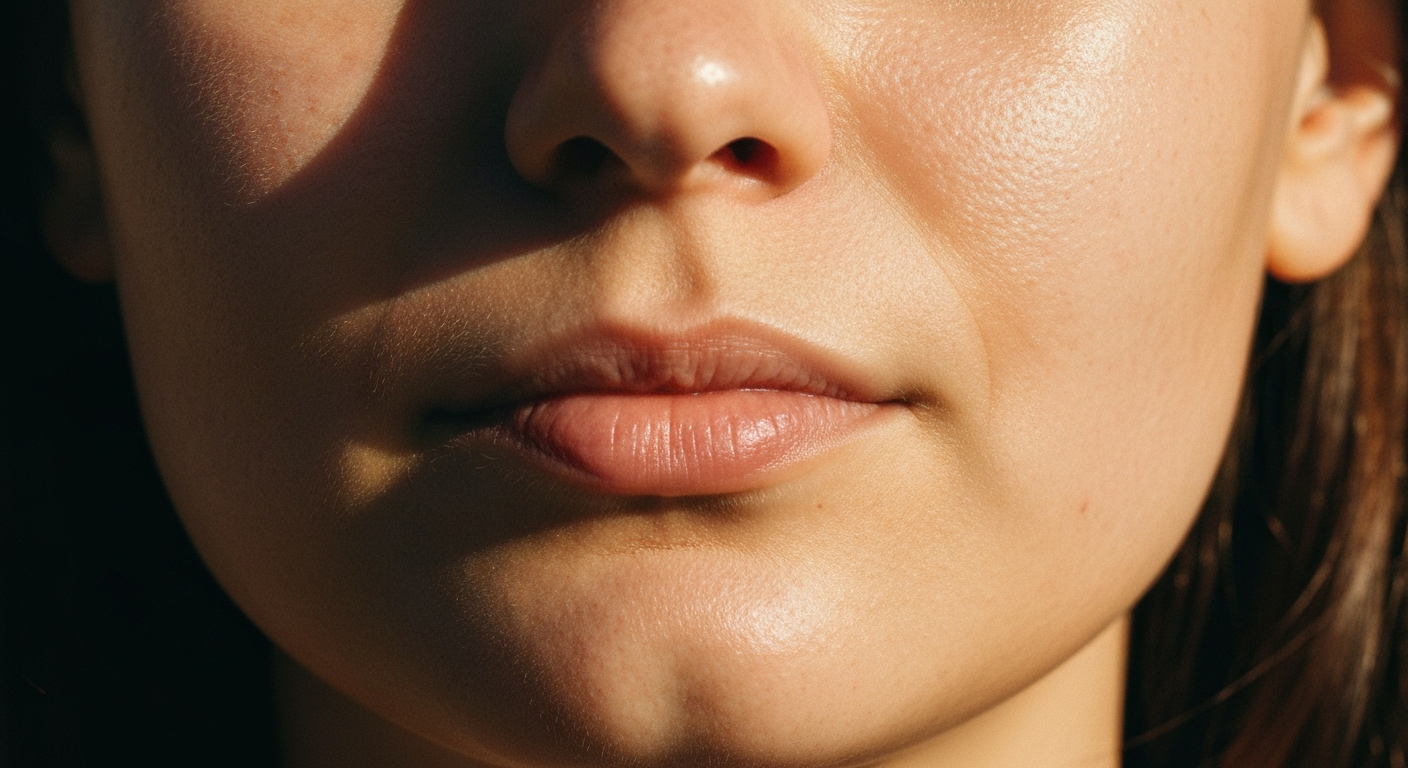

Chin twitching is an involuntary contraction of the mentalis muscle — the muscle that wrinkles the chin and helps pout the lower lip — most often triggered by stress, fatigue, caffeine, or magnesium deficiency. It's benign in the vast majority of cases and resolves once the underlying trigger is addressed.
The mentalis is a small, paired muscle located at the tip of the chin. It controls lower lip movement, chin wrinkling, and is involved in facial expressions of doubt or displeasure. Like all skeletal muscles, the mentalis can experience spontaneous fasciculations — brief, involuntary contractions — when the nerves supplying it become overactive.
Stress and anxiety. Psychological stress is one of the most common triggers for facial muscle twitching. The release of cortisol and adrenaline under stress increases neuronal excitability throughout the body, and the small muscles of the face are particularly sensitive to this effect. Many people notice chin or lip twitching during periods of high stress, job changes, relationship strain, or before a major event.
Caffeine. Caffeine is a central nervous system stimulant that blocks adenosine — the chemical that slows neuronal firing. High caffeine intake lowers the threshold for muscle fasciculations throughout the body, including the chin. Reducing or eliminating caffeine for 2–3 days is one of the most reliable ways to determine if it's the cause.
Sleep deprivation. A fatigued nervous system is a hyperexcitable one. The mentalis, like other small muscles, twitches more readily after poor sleep. The twitching often resolves spontaneously after a full night's rest.
Magnesium deficiency. Magnesium modulates the activity of calcium channels in muscle fibers. When magnesium levels drop — due to poor diet, alcohol use, diuretics, or prolonged stress (which depletes magnesium through increased urinary excretion) — muscles become more prone to spontaneous contraction. Chin and facial twitching is a well-documented symptom of suboptimal magnesium status.
Jaw clenching and TMJ dysfunction. The mentalis and surrounding muscles often carry residual tension in people who clench their jaw (bruxism) or have temporomandibular joint (TMJ) dysfunction. Chronic jaw tension can produce twitching that is felt at rest but worsens with talking, chewing, or emotional expression.
Dry mouth and lip irritation. The mentalis is involved in sealing and stabilizing the lower lip. Persistent dryness, lip chapping, or oral irritation (from acidic foods, certain toothpastes, or dry air) can create low-level muscle activation that manifests as twitching or quivering of the chin.
Neurological causes. Less commonly, chin twitching is associated with the mental nerve (a branch of the trigeminal nerve), which passes through the mental foramen in the chin. Compression, irritation, or inflammation of this nerve — from dental work, jaw trauma, a nearby cyst, or, in rare cases, neuropathy — can cause abnormal firing that produces chin twitching or numbness.
Tardive dyskinesia. People who have taken dopamine-blocking medications (antipsychotics, some antiemetics) long-term may develop tardive dyskinesia, a movement disorder that causes involuntary repetitive movements of the face and mouth, including the chin. This is distinct from benign fasciculations and requires medical management.
For the majority of people, chin twitching is a benign fasciculation — the neurological equivalent of a hiccup for the muscle. It's startling and annoying but not dangerous.
The features that make chin twitching more concerning are:
Persistence beyond two to three weeks without improvement from lifestyle changes suggests an underlying cause beyond simple trigger accumulation.
Spreading or progressive pattern. Twitching that begins in the chin and gradually expands to involve the lower lip, mouth, or jaw — or conversely, twitching that began near the eye and has progressively moved downward — may represent hemifacial spasm or another cranial nerve issue.
Asymmetry combined with weakness. Twitching accompanied by any weakness, drooping, or difficulty with facial expressions on one side requires immediate evaluation to rule out stroke, Bell's palsy, or a structural problem.
Twitching after dental procedures. Chin numbness or twitching following wisdom tooth extraction, dental implant placement, or jaw surgery can indicate mental nerve irritation or temporary neuropathy. This typically resolves within weeks to months but should be monitored.
According to the American Academy of Neurology, "benign fasciculation syndrome is characterized by widespread or localized muscle twitching without weakness, wasting, or other neurological signs — a presentation that is distinct from early motor neuron disease." (American Academy of Neurology, Benign Fasciculation Syndrome Overview, aan.com, accessed 2026.) The absence of muscle weakness or progressive symptoms is a reassuring sign that twitching is benign.
Cut back on caffeine. Reduce coffee, energy drinks, and caffeinated tea progressively over 3–5 days (to avoid withdrawal headaches) and assess whether the twitching diminishes.
Prioritize sleep. If you're averaging fewer than 7 hours per night, increase your sleep consistently for a week. Benign fasciculations driven by fatigue typically resolve with sustained adequate rest.
Increase magnesium. Eat more magnesium-rich foods: pumpkin seeds (1 oz = 37% daily value), almonds, black beans, spinach, and dark chocolate. Magnesium glycinate supplements (200–400 mg daily, taken in the evening) are well-tolerated and may help if dietary sources are insufficient. Avoid magnesium oxide, which has poor bioavailability.
Address jaw tension. If you notice you clench your jaw during stress or wake with jaw soreness, address the bruxism directly. A night guard reduces the mechanical tension that translates into surrounding muscle hyperactivity. Jaw stretching exercises, heat application, and massage of the masseter muscle can relax the tissue around the mentalis.
Use warm compresses. Applying a warm damp cloth to the chin for 10 minutes relaxes the local muscle fibers and can temporarily reduce fasciculation frequency.
Reduce screen time and take movement breaks. Long periods of static jaw and facial expression (reading, screen time, stressful meetings) increase facial muscle tension. Taking a 5-minute break every hour to relax the face, jaw, and shoulders reduces cumulative tension.
Also see: Why Is My Cheek Twitching? 8 Causes & When to Worry and Why Is My Index Finger Twitching? 6 Causes & Fixes.
Book an appointment with your doctor if:
- Chin twitching has persisted for more than two to three weeks despite addressing common triggers
- The twitching is spreading to surrounding muscles or the other side of the face
- You notice any facial weakness, numbness, or asymmetry
- Twitching started after dental work or jaw trauma
- You're taking medications that affect the dopamine system and the twitching is rhythmic or repetitive rather than sporadic
A doctor will evaluate your full medication list, check basic electrolytes (including magnesium, calcium, and potassium), and assess your neurological function. Referral to a neurologist is appropriate if hemifacial spasm, a cranial nerve disorder, or drug-induced movement disorder is suspected.
Our Pick: Magnesium glycinate supplement — 400mg, high-absorption, supports muscle relaxation
Also Read: Shop stress relief supplements and jaw muscle relaxation tools on Amazon
Reviewed and Updated on July 2, 2026 by George Wright