Finance
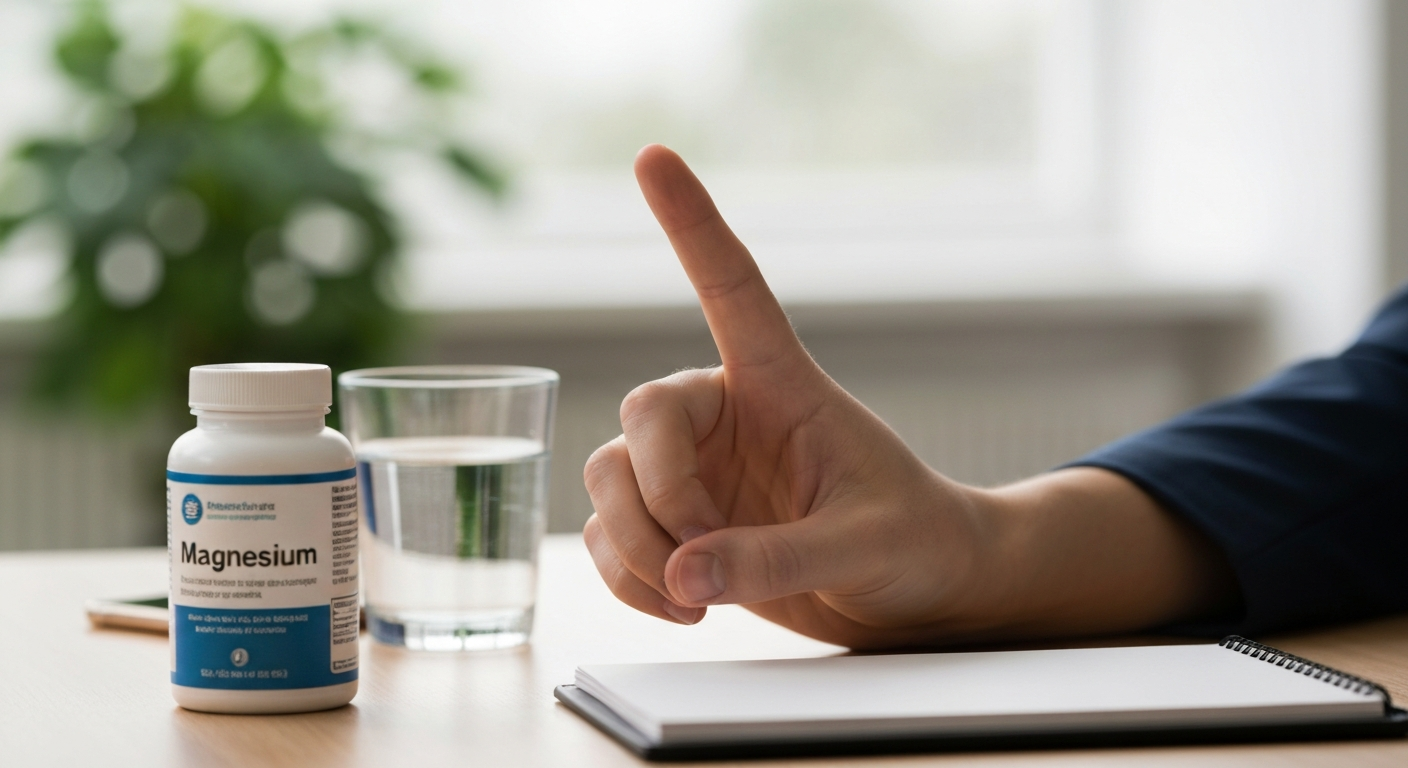

An index finger that twitches is almost always caused by benign muscle fasciculations (tiny involuntary muscle contractions) triggered by caffeine, fatigue, stress, or dehydration — not by a neurological disease, which would produce additional symptoms alongside the twitch.
Muscle twitching (fasciculation) in the fingers is extremely common and usually harmless. A single twitching finger rarely signals anything serious. The context matters: isolated twitching that comes and goes over days or weeks is almost never dangerous, while twitching accompanied by weakness, numbness, or other symptoms warrants medical evaluation.
| ✓Our Pick |
Magnesium supplement for muscle twitching and cramp relief One of the highest-rated products in its category — a reliable fix used by thousands of people. See on Amazon → |
Index finger twitching is usually caused by one of six common, benign triggers — the same mechanisms that cause eyelid twitches and calf cramps.
Caffeine is the most common dietary cause of muscle fasciculations. It acts as a central nervous system stimulant and blocks adenosine receptors, keeping muscles in a state of heightened excitability. Even regular caffeine drinkers can experience twitching after one extra cup or after switching to a stronger roast. This is especially common in the small muscles of the hand.
When you're overtired, the motor neurons that control your muscles become less stable and more prone to random firing. Short episodes of finger twitching after a poor night's sleep or after prolonged typing sessions are a classic presentation of fatigue-related fasciculations.
The fight-or-flight stress response releases adrenaline, which increases muscle excitability. Chronic stress or acute anxiety episodes frequently cause visible muscle twitching — fingers, eyelids, and calves are the most common locations. People with anxiety disorders report this as one of the most distressing physical symptoms, even though it's medically benign.
Muscles require adequate magnesium, potassium, and calcium to contract and relax normally. Low levels of any of these — from dehydration, excessive sweating, or a poor diet — can cause random fasciculations. Magnesium deficiency is particularly associated with muscle twitching; it's estimated that 48% of Americans consume less magnesium than the recommended dietary allowance.
Intensive typing, using a computer mouse, gaming, or playing an instrument for hours can fatigue the small muscles and tendons in the hand and finger, triggering twitching in the specific muscle group that was worked. This is a form of exercise-induced fasciculation — benign and self-resolving with rest.
When the median nerve (which runs through the carpal tunnel in the wrist) is compressed, it can cause both numbness and abnormal muscle firing in the index finger and thumb. Carpal tunnel is accompanied by numbness, tingling, and weakness — not just twitching. If the twitch coincides with these other symptoms, carpal tunnel or cervical nerve compression (from the neck) is a plausible cause.
"Muscle fasciculations are most commonly benign — caused by fatigue, caffeine, stress, or exercise. They become clinically significant only when accompanied by persistent weakness, atrophy, or other neurological signs." — Mayo Clinic at MayoClinic.org
The most effective approach is to address the trigger — reducing caffeine, improving sleep, rehydrating, and supplementing magnesium resolves most cases of benign finger twitching within days.
Reduce caffeine intake: Cut by 25–50% for one week and note whether the twitching decreases. This is the single most consistently effective intervention.
Check magnesium levels: A blood test can confirm magnesium deficiency. In the meantime, increasing dietary magnesium (dark leafy greens, nuts, seeds, legumes) or taking a magnesium glycinate supplement (300–400mg/day) is safe for most adults.
Improve hydration: Aim for 8–10 cups of water daily, more if you're active or live in a hot climate. Electrolyte drinks (not sugary sports drinks) can help restore potassium and sodium balance.
Rest the hand: If twitching follows extended typing or gaming, take 10-minute breaks every hour using a timer. Hand stretches — extending the fingers wide, then curling them tightly — improve circulation and relieve tension in the extensor tendons.
Manage stress: Progressive muscle relaxation, deep breathing exercises, or regular aerobic exercise reduces baseline stress hormone levels and the fasciculation they cause.
Also Read: See What Most People Try First for Persistent Muscle Twitching and Cramps
See a doctor if finger twitching lasts continuously for more than three weeks, is accompanied by weakness or difficulty gripping objects, is spreading to other muscle groups, or is accompanied by speech or swallowing changes.
The neurological conditions that cause serious muscle fasciculations — such as ALS (Lou Gehrig's disease) or cervical myelopathy — almost universally present with weakness, atrophy (muscle shrinking), or other neurological signs before or alongside the twitching. Isolated finger twitching without any other symptoms, in an otherwise healthy person, is overwhelmingly unlikely to be neurological disease.
Red flags that warrant a neurology referral:
- Twitching that never stops for days at a time
- Visible muscle shrinking (atrophy) in the affected finger or hand
- Weakness in gripping, pinching, or hand coordination tasks
- Twitching spreading progressively to arm, shoulder, or leg muscles
- Speech difficulty, swallowing problems, or facial muscle involvement
"Benign fasciculation syndrome is a diagnosis of exclusion — characterized by persistent, widespread fasciculations without weakness, atrophy, or other upper or lower motor neuron signs. The vast majority of healthy patients with isolated muscle twitching have a benign cause." — American Academy of Neurology at AAN.com
Index finger twitching is almost always a benign fasciculation caused by caffeine, fatigue, stress, dehydration, or overuse of the hand — not a neurological disease. Reduce caffeine, hydrate, rest the hand, and consider a magnesium supplement. If twitching persists for more than three weeks or is accompanied by weakness, numbness, or spreading to other muscles, see a doctor to rule out carpal tunnel syndrome or a rare neurological cause. Isolated twitching without any other symptoms is nearly always nothing serious.
ALS (amyotrophic lateral sclerosis) typically presents with progressive weakness, muscle atrophy, and difficulty with speech or swallowing — not isolated finger twitching in an otherwise healthy person. Fasciculations occur in ALS, but almost always alongside significant weakness. If you have only a twitching finger and no weakness or other symptoms, ALS is an extremely unlikely cause.
Yes. Anxiety is one of the most common causes of muscle fasciculations. The stress hormone adrenaline increases muscle excitability, and chronic anxiety keeps this system activated. Finger twitching from anxiety typically improves with anxiety management — exercise, sleep, deep breathing, and in some cases medication.
Magnesium plays a direct role in muscle contraction and nerve signal regulation. When magnesium is low, muscles fire more unpredictably, causing cramps and twitches. Magnesium glycinate (300–400mg daily) has good evidence for reducing muscle fasciculations related to deficiency — and is well-tolerated without the laxative effect of magnesium oxide.
A single benign fasciculation in a finger muscle lasts from a few seconds to a minute or two, then stops on its own. Repetitive twitching episodes throughout a day are normal during periods of stress, caffeine excess, or fatigue and typically resolve within a few days once the trigger is addressed. Twitching lasting continuously for more than three weeks without stopping deserves medical evaluation.
Reviewed and Updated on July 1, 2026 by George Wright