


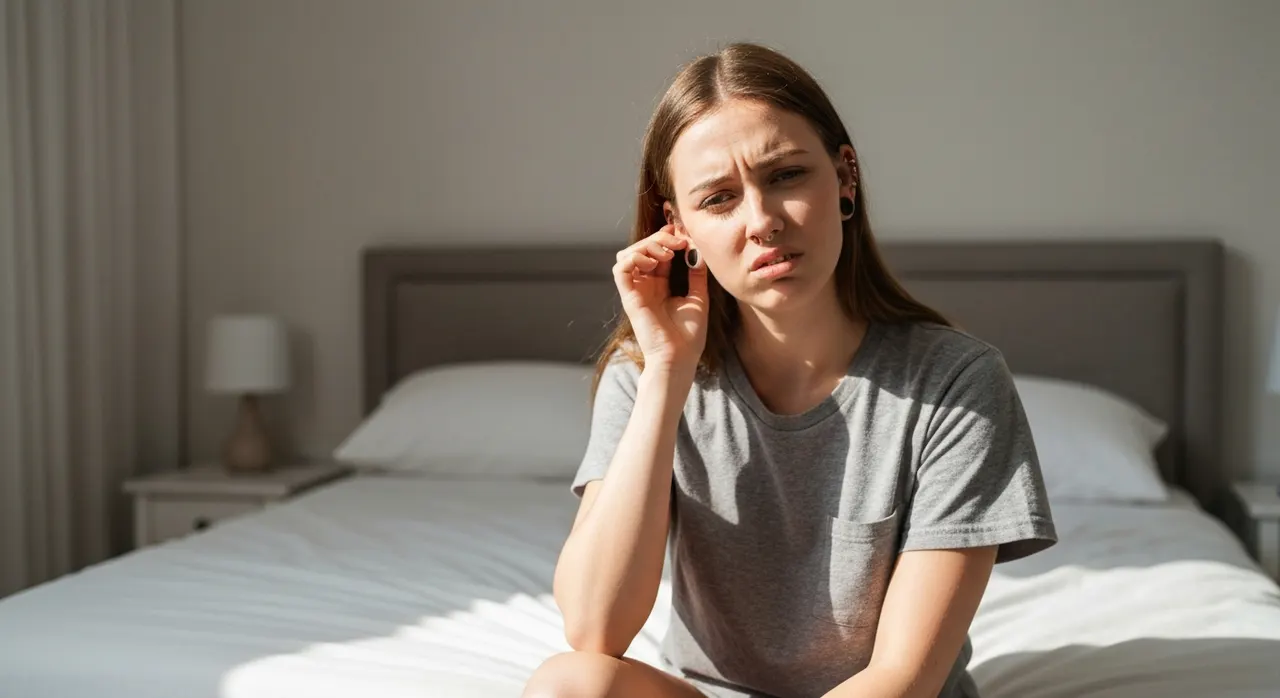
A throbbing cartilage piercing typically signals inflammation, trauma, or the early stages of infection—your body's way of telling you the area needs attention, and most cases resolve within a few days with proper aftercare adjustments.
Cartilage piercings—whether in the helix, tragus, conch, or daith—are notoriously slower to heal than soft-tissue piercings like earlobes. That dense, avascular cartilage tissue receives less blood flow, which means healing takes 6 to 12 months instead of 6 to 8 weeks. When something disrupts that healing process, throbbing pain is often the first symptom. Understanding what's causing your discomfort helps you determine whether you need to adjust your aftercare routine, see your piercer, or seek medical attention.
What Causes a Cartilage Piercing to Throb?
Throbbing occurs when blood flow increases to the pierced area in response to irritation, trauma, or infection—essentially your immune system's alarm system activating.
The pulsating sensation you feel matches your heartbeat because inflamed tissue becomes hypersensitive to the pressure changes of circulating blood. Several distinct causes trigger this response, and identifying yours is the first step toward relief.
Is Normal Healing Making My Piercing Throb?
Fresh cartilage piercings throb for the first 24 to 72 hours as standard post-procedure inflammation. Your body recognizes the piercing as a wound and responds accordingly—increasing blood flow to deliver white blood cells and nutrients for tissue repair.
This initial throbbing should gradually decrease over the first week. If you're within the first three days post-piercing, mild throbbing without other symptoms (discharge, spreading redness, fever) is expected. Sleep on the opposite side, avoid touching the piercing, and continue your saline cleaning routine.
Can Sleeping on My Piercing Cause Throbbing?
Pressure from sleeping on a healing cartilage piercing is one of the most common causes of persistent throbbing. The sustained compression restricts blood flow, irritates the healing fistula (the tunnel of tissue forming around your jewelry), and can cause the jewelry to press into the piercing at awkward angles.
Even if you fall asleep on the opposite side, many people shift positions during the night. Consider a travel pillow or donut pillow that allows you to rest your head while keeping the pierced ear suspended in the hole—this eliminates direct pressure entirely.
Does Bumping or Snagging Cause Throbbing Pain?
A single accidental snag on clothing, hair, towels, or headphones can trigger hours of throbbing. Cartilage piercings sit in relatively exposed positions, making them vulnerable to catches that yank the jewelry and tear the delicate healing tissue inside.
"Trauma to a healing piercing causes localized inflammation and can set back the healing process significantly. Even minor bumps that don't cause visible damage can trigger pain and swelling that lasts several days." — Dr. Maria Dowling at the Association of Professional Piercers
The throbbing after trauma typically peaks within a few hours and subsides over 2 to 4 days if no further irritation occurs.
Is My Jewelry Causing the Throbbing?
Jewelry-related issues cause more cartilage piercing problems than most people realize. Three main jewelry factors trigger throbbing:
| Jewelry Problem | Why It Causes Throbbing | Solution |
|---|---|---|
| Material sensitivity | Nickel or low-quality metals trigger allergic inflammation | Switch to implant-grade titanium, niobium, or 14k+ gold |
| Incorrect length | Bar too short compresses swollen tissue; too long allows excessive movement | Have piercer assess and resize |
| Wrong style | Rings in fresh piercings rotate and introduce bacteria; heavy pieces pull on tissue | Use flat-back labrets during healing |
If your throbbing started after changing jewelry or began weeks into healing (when initial swelling subsided and your jewelry became loose), jewelry fit or quality is likely the culprit.
Could an Infection Be Causing the Throbbing?
Infection causes throbbing alongside other specific symptoms. The throbbing sensation alone rarely indicates infection—it's the combination of symptoms that matters.
Signs of cartilage piercing infection include:
- Throbbing that intensifies over several days rather than improving
- Yellow, green, or gray discharge (clear or white lymph fluid is normal)
- Spreading redness beyond the immediate piercing site
- Heat radiating from the area
- Fever or feeling generally unwell
- Increasing swelling after the first week
Cartilage infections require medical attention because the tissue's poor blood supply makes it difficult for your immune system to clear bacteria effectively. Untreated cartilage infections can progress to perichondritis—an infection of the tissue surrounding the cartilage—which can cause permanent ear deformity if not treated with appropriate antibiotics.
"Cartilage piercing infections are more serious than earlobe infections due to the limited blood supply. We recommend patients seek medical care if they notice spreading redness, purulent discharge, or fever rather than attempting to treat at home." — Dr. Jennifer Chen at the American Academy of Dermatology
Are Irritation Bumps Making My Piercing Throb?
Irritation bumps—small, fluid-filled or firm bumps that form at the piercing site—often accompany throbbing. These are not keloids (which are genetic and rare) but rather hypertrophic scarring caused by ongoing irritation.
The bump itself can press against jewelry and trap bacteria or debris, perpetuating a cycle of inflammation and throbbing. Common causes include:
- Touching the piercing with unwashed hands
- Using harsh cleaning products (hydrogen peroxide, alcohol, antibacterial soap)
- Rotating or twisting the jewelry
- Changing jewelry too early
- Sleeping pressure
Addressing the underlying irritation source typically resolves both the bump and the throbbing over several weeks.
| ✓Our Pick |
Science-backed supplements for inflammation and joint discomfort This is what many people find solves the problem quickly, without a costly professional visit. Learn More → |
How to Stop Cartilage Piercing Throbbing in 2026
Immediate relief focuses on reducing inflammation, while long-term resolution requires identifying and eliminating the irritation source.
Step 1: Clean Properly With Saline Only
Use 0.9% sterile saline solution (wound wash from any pharmacy) twice daily. Spray directly on the piercing, let it sit for 60 seconds, then gently pat dry with clean, non-fibrous material like gauze or paper towel. Do not use cotton balls—fibers can catch on jewelry.
Avoid cleaning more than twice daily. Over-cleaning strips away the lymph and plasma your body uses for healing, causing more irritation.
Step 2: Apply a Cold Compress
For acute throbbing, wrap ice or a cold pack in a clean cloth and hold it near (not directly on) the piercing for 10 minutes. The cold constricts blood vessels, reducing the pounding sensation. Wait at least an hour between applications to prevent tissue damage.
Step 3: Take Anti-Inflammatory Medication
Ibuprofen (Advil, Motrin) reduces both inflammation and pain. Follow package directions—typically 200 to 400 mg every 4 to 6 hours with food. If you can't take NSAIDs, acetaminophen (Tylenol) helps with pain but won't reduce inflammation.
Step 4: Eliminate Pressure Sources
Assess your daily habits:
- Use a travel pillow for sleeping
- Tie hair back to prevent catches
- Avoid over-ear headphones—use earbuds on the opposite side only
- Be conscious of towel-drying around the area
- Remove hats, headbands, or glasses that touch the piercing
Step 5: Leave the Jewelry Alone
The urge to rotate, touch, or remove the jewelry to "check" the piercing makes everything worse. Movement disrupts the healing fistula, and touching introduces bacteria from your hands. If jewelry needs assessment, visit a professional piercer rather than handling it yourself.
Also Read: Why Is My Joints Hurting? 9 Causes & What Helps
When to See a Doctor or Piercer
Seek professional evaluation if symptoms worsen over 3 to 5 days of proper aftercare, or immediately if you develop signs of systemic infection.
| Symptom | See Piercer | See Doctor |
|---|---|---|
| Throbbing with no other symptoms | After 1 week of home care | Not needed unless worsening |
| Irritation bump developed | Within 1–2 weeks | Only if bump is growing rapidly |
| Jewelry embedding into skin | Immediately | If piercer unavailable |
| Spreading redness or warmth | — | Within 24–48 hours |
| Fever, chills, or discharge with odor | — | Same day or urgent care |
| Throbbing + severe pain preventing sleep | Check jewelry fit first | If no improvement in 24 hours |
Never remove jewelry from a suspected infected piercing without medical guidance—the hole can close and trap the infection inside, potentially forming an abscess.
| ✓Quick Fix |
The First Thing Most People Try A fast first step before anything more expensive or time-consuming — worth a look right now. See on Amazon → |
Prevention: Keeping Your Piercing Throb-Free
Most cartilage piercing problems stem from impatience or inconsistent aftercare rather than bad luck.
Cartilage piercings test your patience. The 6-to-12-month healing timeline means you'll need to maintain careful habits long after the piercing looks and feels healed on the surface. Internal healing continues for months after external symptoms resolve.
Key prevention practices:
- Choose an experienced piercer who uses sterile techniques and implant-grade jewelry
- Commit to the full healing period before changing jewelry or sleeping on that side
- Keep hair products, makeup, and perfume away from the piercing
- Stay hydrated and maintain good nutrition—your body needs resources to heal
- Don't swim in pools, hot tubs, or natural bodies of water until fully healed
Also Read: Why Is My Finger Joint Painful? 6 Causes & How to Fix It
In Short
Cartilage piercing throbbing usually results from normal healing inflammation, pressure during sleep, physical trauma, or jewelry issues—and responds well to proper saline cleaning, cold compresses, and eliminating irritation sources. Signs of infection (spreading redness, fever, colored discharge) require medical attention, but most throbbing episodes resolve within a few days when you identify and address the underlying cause. Patience through the 6-to-12-month healing process prevents most problems from occurring in the first place.
What You Also May Want To Know
How Long Should a Cartilage Piercing Throb After Getting Pierced?
Mild throbbing for the first 24 to 72 hours after a fresh cartilage piercing is completely normal. This initial inflammation should steadily decrease over the first week. If throbbing persists beyond 5 to 7 days at the same intensity, or if it returns after initially subsiding, something is irritating the piercing—usually pressure, jewelry issues, or improper cleaning—and you should assess your aftercare routine.
Can I Take Out My Cartilage Piercing If It's Throbbing?
Removing jewelry from a throbbing piercing is generally not recommended, especially if infection is possible. An infected piercing can close over rapidly once jewelry is removed, trapping bacteria inside and potentially causing an abscess that requires medical drainage. If you want to retire the piercing, have a professional piercer assess it first. If the throbbing is from irritation rather than infection, removing the cause of irritation is more effective than removing the jewelry.
Why Does My Cartilage Piercing Throb More at Night?
Nighttime throbbing often results from lying on the piercing (even briefly during sleep position changes) and from the natural increase in blood pressure that occurs when horizontal. Additionally, fewer distractions at night make you more aware of sensations you might not notice during busy daytime hours. Using a travel pillow to keep pressure off the ear and taking ibuprofen before bed can help reduce nighttime throbbing.
Is Throbbing Normal Months After Getting a Cartilage Piercing?
Occasional throbbing months into healing can occur and doesn't necessarily indicate a problem—cartilage piercings remain sensitive for 6 to 12 months. However, persistent or worsening throbbing at this stage suggests ongoing irritation. Common causes include jewelry that's now too long (after swelling subsided), accumulated irritation from sleeping position, or delayed reaction to jewelry material. Visit your piercer to assess whether downsizing or changing jewelry material would help.
Should I Be Worried If My Cartilage Piercing Throbs but Has No Bump or Redness?
Throbbing without visible symptoms like bumps, redness, or discharge is usually reassuring—it suggests irritation rather than infection. This commonly occurs after sleeping on the piercing, bumping it, or using products that contacted the area. Continue proper aftercare, eliminate potential irritation sources, and monitor for 3 to 5 days. If throbbing persists without other symptoms, the issue is likely mechanical (jewelry length, sleeping position) rather than infectious.