
Health
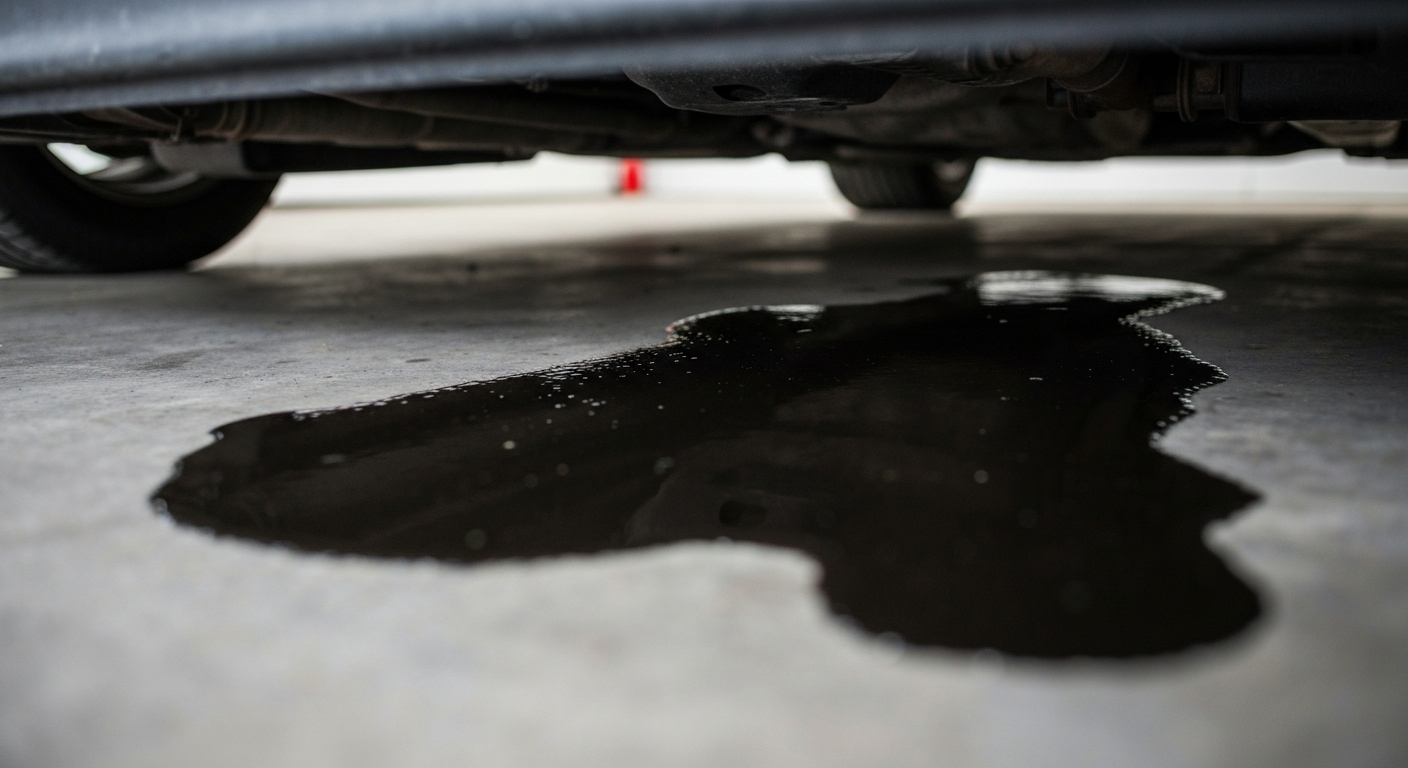

Your car is leaking oil because of a worn gasket, damaged seal, loose drain plug, cracked oil pan, or degraded filter — and in most cases, the fix is straightforward once you identify the source.
Oil leaks range from minor seepage that leaves spots on your driveway to serious failures that can starve your engine of lubrication within miles. The dark puddle under your vehicle is almost always engine oil (though transmission fluid and power steering fluid can look similar), and the leak's location tells you a lot about the cause. A leak at the front of the engine usually points to the timing cover or valve cover gasket. A leak near the rear suggests the rear main seal. A puddle directly under the engine often means the oil pan gasket or drain plug. Understanding where and why the oil is escaping helps you decide whether this is a $15 DIY fix or a $1,500 shop repair.
| 🛒Amazon Pick |
Top Rated Oil Leak Stop Additives on Amazon Trusted by professionals and everyday users alike -- a smart investment that pays for itself. See on Amazon → |
Modern engines use multiple gaskets and seals that degrade over time from heat cycling, and any of these can fail — leading to oil escaping from the engine block, valve cover, oil pan, or filter housing.
Your engine contains pressurized oil that circulates continuously while running. That oil is kept inside by a network of gaskets (flat seals between mating surfaces) and seals (round components that wrap around rotating shafts). Heat causes these components to expand and contract thousands of times over the life of your vehicle. Eventually, they harden, crack, or compress beyond their ability to seal.
The seven most common causes of oil leaks include:
| Leak Source | Typical Location | Repair Difficulty | Estimated Cost |
|---|---|---|---|
| Valve cover gasket | Top of engine | Moderate DIY | $25–$150 |
| Oil pan gasket | Bottom of engine | Moderate DIY | $30–$200 |
| Oil drain plug | Bottom center | Easy DIY | $5–$20 |
| Oil filter/housing | Side or bottom | Easy DIY | $10–$50 |
| Rear main seal | Rear of engine | Shop repair | $600–$1,500 |
| Front crankshaft seal | Front of engine | Shop repair | $200–$500 |
| Oil cooler lines | Various | Moderate | $100–$400 |
The valve cover gasket is one of the most common leak sources, especially in vehicles over 80,000 miles. This gasket sits between the valve cover and the cylinder head. When it hardens and shrinks from repeated heat cycles, oil seeps out and runs down the side of the engine.
You'll notice oil accumulation around spark plug wells, a burning oil smell when the engine is hot (as oil drips onto the exhaust manifold), and visible wetness along the top edge of the engine. The good news: valve cover gaskets are relatively inexpensive and accessible on most vehicles.
The oil pan bolts to the bottom of the engine and holds your oil supply. Its gasket takes constant abuse from road debris, speed bumps, and temperature extremes. A failing oil pan gasket typically produces drips directly beneath the engine that worsen when the car is parked and the oil settles.
"Oil pan leaks are often misdiagnosed because oil can run along the pan's surface before dripping, making the actual leak point appear lower than it is." — AMSOIL Technical Team at AMSOIL
On some vehicles, oil pan removal requires lifting the engine or dropping the subframe, which significantly increases labor costs.
The oil drain plug is the simplest and cheapest leak source to fix. After each oil change, this plug must be properly torqued. Over-tightening strips the threads in the aluminum oil pan. Under-tightening allows the plug to vibrate loose.
Check for oil accumulation specifically around the drain plug, not spread across the entire pan. If the threads are stripped, you may need a self-tapping oversized drain plug or a drain plug repair kit.
Also Read: Why Is My Car Shaking When I Drive? 7 Causes & Fixes (2026)
A loose, cross-threaded, or double-gasketed oil filter is a surprisingly common cause of sudden oil leaks — especially right after an oil change. Every spin-on filter has a rubber O-ring that must seat properly against the filter housing. If the old gasket stuck to the housing and a new filter was installed on top of it, you have two gaskets compressed unevenly, and oil will escape.
Cartridge-style filters (common in European vehicles and many 2020s models) have their own set of O-rings that must be replaced and properly lubricated during each change.
The rear main seal wraps around the crankshaft where it exits the engine to connect to the transmission. This seal handles extreme rotational speeds and significant heat. When it fails, oil leaks at the junction between the engine and transmission, often dripping onto the ground near the center of the vehicle.
Rear main seal replacement is labor-intensive because it requires removing the transmission (and sometimes the flywheel or flexplate) to access. The seal itself costs under $50, but labor runs $500–$1,200 at most shops.
"Rear main seal leaks can be difficult to confirm visually. We often use UV dye added to the oil, then inspect with a blacklight to trace the exact leak path." — Eric the Car Guy at EricTheCarGuy.com
Aluminum oil pans can crack from impact damage (running over debris, bottoming out on steep driveways) or from over-torqued drain plugs. Steel pans are more resistant to cracking but can rust through in salt-belt states.
A cracked pan typically leaks continuously rather than seeping slowly. If you see a steady drip even when the engine is cold, inspect the pan for visible damage.
| 🛒Amazon Pick |
Oil Drain Plug Gasket Variety Packs on Amazon What many people find solves the problem quickly, without a costly professional visit. See on Amazon → |
Locating the exact source requires cleaning the engine, running it, and watching for fresh oil — or using UV dye to trace the leak path under blacklight.
Oil leaks are deceptive. Gravity and airflow push leaking oil backward and downward as you drive, so a puddle under the transmission doesn't necessarily mean the transmission is leaking. Follow this diagnostic process:
If you'd rather not use dye, clean the engine thoroughly and then park it over clean cardboard overnight. The drip pattern on the cardboard narrows down the leak zone.
Many oil leaks can be repaired at home with basic tools — particularly valve cover gaskets, drain plugs, and oil filters — saving hundreds in labor costs.
Stop-leak additives contain chemicals that cause rubber seals to swell slightly, which can temporarily slow minor leaks. They work best on:
- Hardened but not cracked seals
- Slow seepage (not active drips)
- Situations where mechanical repair isn't immediately feasible
They are not a permanent fix. If the seal is physically damaged or the gasket is torn, additives won't help. For rear main seals where repair costs exceed $1,000, many owners use additives to extend the time before major surgery.
Also Read: Why Is My Check Engine Light Flashing?
An oil leak becomes dangerous when it causes your oil level to drop low enough to damage the engine, or when leaking oil contacts hot exhaust components and creates a fire risk.
The urgency of your oil leak depends on two factors: how fast you're losing oil and where that oil is going.
| Leak Severity | Signs | Action Required |
|---|---|---|
| Minor seepage | Spots on driveway, slight residue on engine | Monitor oil level weekly, plan repair |
| Moderate leak | Noticeable puddles, oil smell when parked | Check oil before every drive, repair soon |
| Severe leak | Oil smoke from engine bay, rapid oil loss | Do not drive — tow to shop |
A quart of oil loss between changes (3,000–5,000 miles) is common in higher-mileage engines and may not indicate a leak at all — some oil consumption is normal. Losing a quart every 500 miles or less indicates a serious issue.
"Running an engine low on oil — even for a few minutes — can cause bearing damage that costs more to repair than the entire rest of the engine." — National Institute for Automotive Service Excellence (ASE) at ASE
Oil dripping onto a hot exhaust manifold or catalytic converter can ignite. If you see smoke rising from under the hood or smell burning oil while driving, pull over immediately and shut off the engine.
| 🛒Amazon Pick |
High Mileage Motor Oil Options on Amazon Great value for money -- tackles the root cause rather than just masking the symptoms. See on Amazon → |
Repair costs range from $10 for a drain plug washer to $1,500 or more for a rear main seal, depending on the leak source and your vehicle's design.
Labor is the primary cost variable. A valve cover gasket that sits exposed on top of a four-cylinder engine might be a 30-minute job. The same gasket buried under a plastic intake manifold on a V6 can take 3 hours.
Get multiple quotes if a shop diagnoses an expensive repair like rear main seal or timing cover gasket. Some independent shops specialize in these repairs and charge significantly less than dealerships.
Your car is leaking oil due to a failed gasket, worn seal, loose drain plug, damaged filter, or cracked oil pan — and identifying the exact source determines whether the fix costs $20 or $1,500. Clean the engine, use UV dye if needed, and trace the leak to its origin before authorizing repairs. Minor leaks can often be fixed at home, while rear main seals and timing covers typically require professional work. Always monitor your oil level closely once you've spotted a leak — running low on oil causes engine damage that far exceeds any repair cost.
A leak immediately after an oil change usually indicates a loose or double-gasketed oil filter, improperly torqued drain plug, or missing drain plug washer. Return to the shop that performed the change — most will re-inspect at no charge. If the old filter gasket stuck to the housing and a new filter was installed over it, oil will escape rapidly. This is a common technician error that causes dramatic leaks within hours or days of service.
You can drive with a minor oil leak as long as you check and top off your oil level regularly. A few drips on the driveway won't strand you. However, if you're losing more than a quart per 500 miles, smelling burning oil, or seeing smoke from under the hood, driving risks engine damage or fire. In those cases, have the vehicle towed rather than driven.
Fresh engine oil is amber or honey-colored. Used engine oil turns dark brown to black as it accumulates combustion byproducts. If the fluid under your car is red or pink, that's likely transmission fluid. If it's green, orange, or pink and slippery, it's probably coolant. Clear and oily suggests power steering fluid or possibly brake fluid (which is very slippery and has a distinct chemical smell).
A slow seep that loses less than half a quart between oil changes can be monitored indefinitely as long as you maintain proper oil levels. A moderate leak that requires weekly top-offs should be repaired within a month or two to avoid the inconvenience and cost of constantly buying oil. A severe leak should be addressed immediately — the cost of engine damage from oil starvation is always higher than the cost of the repair you're avoiding.
Oil stop leak additives can temporarily reduce minor leaks caused by hardened rubber seals by causing the seal material to swell and soften. They work best on rear main seals, valve stem seals, and other rubber components that have shrunk with age. They do not work on torn gaskets, cracked pans, or loose drain plugs. Consider them a temporary measure — not a permanent repair.
Reviewed and Updated on April 17, 2026 by Adelinda Manna