Technology
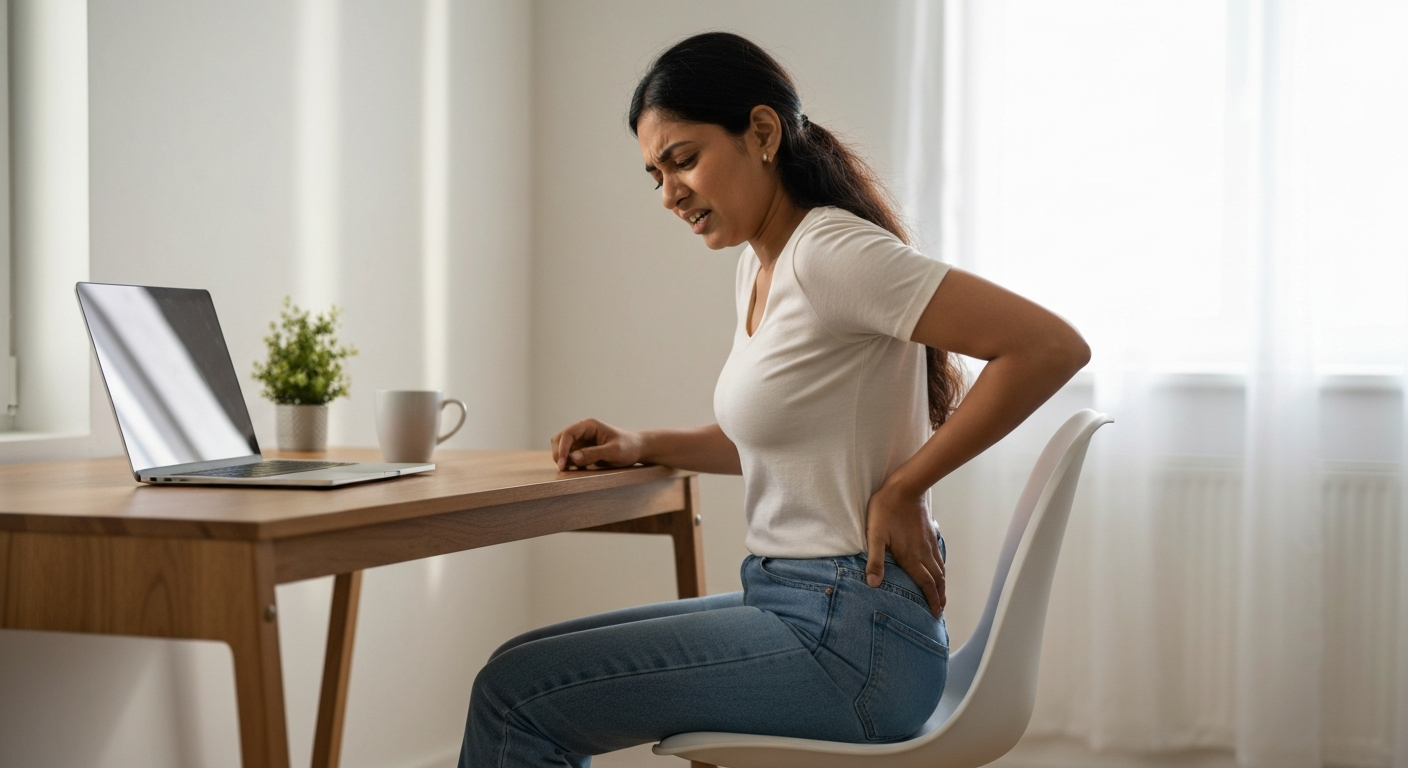

A sore butt usually comes from prolonged sitting on hard surfaces, muscle strain from exercise, or skin irritation — but it can also signal hemorrhoids, a tailbone injury, or an abscess that needs medical attention.
The discomfort you're feeling in your buttocks could stem from something as simple as sitting too long at your desk or as specific as an inflamed piriformis muscle. Understanding where exactly it hurts and what makes it worse helps pinpoint the cause, which determines whether you need rest, a cushion, or a doctor's visit.
| ✓Our Pick |
Ergonomic seat cushion for tailbone and buttock pain relief Simple to use and genuinely effective — for many people this is all they ever needed. See on Amazon → |
Your butt can hurt for reasons ranging from muscle overuse and skin conditions to internal problems like hemorrhoids or infections — the location and type of pain points to the cause.
The buttocks contain multiple structures that can become painful: the gluteal muscles, the sciatic nerve, the tailbone, the skin and soft tissue, and the anal area. Pain felt deep in the muscle usually relates to strain or nerve irritation. Surface-level soreness often involves skin issues or pressure damage. Internal discomfort around the anus typically points to hemorrhoids or fissures.
| Pain Location | Feels Like | Common Causes |
|---|---|---|
| Deep in buttock cheek | Aching, radiating | Piriformis syndrome, sciatica, muscle strain |
| Tailbone area | Sharp when sitting | Coccydynia, bruised tailbone |
| Surface/skin | Burning, raw | Friction, chafing, contact dermatitis |
| Around anus | Throbbing, sharp | Hemorrhoids, fissure, abscess |
| Both cheeks | Dull ache | Prolonged sitting, poor posture |
| ✓Quick Fix |
What Actually Works for This, Fast A low-cost, no-commitment option to rule out before spending more on this problem. See on Amazon → |
Prolonged sitting compresses the soft tissue in your buttocks, reducing blood flow and irritating nerves, which causes that familiar aching soreness after hours at a desk or in a car.
When you sit, your body weight presses down through your ischial tuberosities — the "sit bones" at the base of your pelvis. Soft chairs spread this load. Hard surfaces concentrate pressure on a smaller area, leading to discomfort faster.
Sitting for more than 30–60 minutes without moving can trigger what researchers call "gluteal amnesia" — your glute muscles essentially disengage. This puts more strain on surrounding structures. The discomfort you feel is your body's signal to shift position or stand up.
Office workers, long-haul drivers, and anyone recovering from surgery (when bed rest is required) commonly experience this. The fix is straightforward: stand every 30 minutes, use a supportive cushion, and strengthen your glutes to improve their endurance.
Also Read: Why Is My Back So Itchy? 9 Causes & How to Stop It
Muscle soreness after leg day, running, or cycling is delayed-onset muscle soreness (DOMS), which peaks 24–72 hours after exercise and is a normal response to muscle fiber stress.
Your glutes — the gluteus maximus, medius, and minimus — are among the largest muscles in your body. When you work them hard through squats, lunges, deadlifts, hill running, or cycling, you create microscopic tears in the muscle fibers. Your body repairs these tears, making the muscle stronger, but the repair process causes inflammation and soreness.
"Delayed-onset muscle soreness is a common result of physical activity that stresses the muscle tissue beyond what it is accustomed to." — American College of Sports Medicine
DOMS-related butt soreness is normal and typically resolves within 3–5 days. It should feel like a dull, generalized ache in the muscle — not a sharp, localized pain. If the soreness doesn't improve after a week or gets worse, you may have a strain or tear that needs attention.
Piriformis syndrome occurs when the piriformis muscle deep in your buttock spasms or tightens, compressing the sciatic nerve and causing deep, aching pain that can radiate down your leg.
The piriformis is a small muscle that runs from your lower spine to the top of your femur. The sciatic nerve passes directly beneath it (or through it, in about 17% of people). When the piriformis becomes tight or inflamed, it can irritate the sciatic nerve.
Common triggers include:
The pain from piriformis syndrome typically feels deep in one buttock cheek, worsens with sitting, and may shoot down the back of your thigh. Stretching the piriformis — by lying on your back and pulling your knee toward the opposite shoulder — often provides relief.
Hemorrhoids are swollen blood vessels in the rectal area that cause pain, itching, and sometimes bleeding — they're extremely common and a frequent reason people feel soreness in and around their buttocks.
About half of all adults experience hemorrhoids by age 50. They can be internal (inside the rectum) or external (under the skin around the anus). External hemorrhoids tend to cause more pain because the surrounding skin has more nerve endings.
Symptoms of hemorrhoids include:
Constipation, straining during bowel movements, pregnancy, and prolonged sitting all increase hemorrhoid risk. Most mild cases resolve with increased fiber intake, adequate hydration, and over-the-counter treatments. Persistent or severe hemorrhoids may require medical procedures.
"Hemorrhoids are one of the most common causes of rectal bleeding. They're rarely dangerous and usually clear up in a couple of weeks." — National Institute of Diabetes and Digestive and Kidney Diseases
A bruised or fractured tailbone (coccyx) causes sharp pain at the base of your spine that worsens dramatically when sitting, standing up, or having a bowel movement.
Tailbone injuries typically happen from:
The pain from a tailbone injury is very localized — right at the bottom of your spine, between your buttock cheeks. Sitting on hard surfaces is often unbearable. Many people with tailbone injuries instinctively lean forward or to one side when sitting to take pressure off the coccyx.
Most tailbone bruises heal in 4–6 weeks with conservative treatment: donut-shaped cushions, ice packs, over-the-counter pain relievers, and avoiding prolonged sitting. Fractures can take longer and occasionally require medical intervention.
Also Read: Why Is My Feces Sticky? 7 Causes & How to Fix It
Skin problems like contact dermatitis, folliculitis, boils, and fungal infections can make your buttock skin feel sore, raw, or painful to the touch.
Your buttocks are warm, sometimes moist, and often in contact with irritants — making them vulnerable to several skin conditions:
| Condition | Appearance | Cause |
|---|---|---|
| Contact dermatitis | Red, itchy, sometimes blistered | Allergic reaction to detergent, fabric, or toiletries |
| Folliculitis | Red bumps around hair follicles | Bacteria or fungus infecting hair follicles |
| Boils/abscesses | Painful, swollen lumps | Deep bacterial infection |
| Intertrigo | Red, raw skin in creases | Friction and moisture in skin folds |
| Fungal infection | Red, itchy, spreading rash | Yeast or dermatophyte overgrowth |
If your soreness is at the skin surface and you notice redness, bumps, or a rash, a skin condition is likely. Keeping the area clean and dry, switching to fragrance-free detergents, and wearing breathable cotton underwear can help mild cases. Boils or abscesses that don't drain on their own need medical drainage.
Sciatica describes pain that radiates along the sciatic nerve — from your lower back through your buttock and down your leg — usually caused by a herniated disc or bone spur compressing the nerve.
The sciatic nerve is the longest nerve in your body. When something presses on it where it exits your spine, you feel pain anywhere along its path. For many people, this means deep buttock pain that travels down the back of the thigh.
Sciatica symptoms typically include:
Unlike muscle soreness, sciatica often causes neurological symptoms like tingling or weakness. It also tends to follow a specific path down the leg rather than being a generalized ache.
Most sciatica improves within 4–6 weeks with conservative treatment. Stretching, over-the-counter anti-inflammatories, and avoiding prolonged sitting help. If you have progressive weakness, loss of bladder or bowel control, or severe pain that doesn't respond to treatment, see a doctor promptly.
Seek medical attention if your butt pain is severe, comes with fever, involves loss of bladder or bowel control, or doesn't improve after 1–2 weeks of home care.
Red flags that warrant urgent evaluation:
For pain that's bothersome but not urgent, try home remedies for 1–2 weeks. If it persists, schedule an appointment. Your doctor can examine you, rule out concerning causes, and recommend targeted treatment.
Your buttocks can hurt from something as mundane as sitting too long or as specific as piriformis syndrome, hemorrhoids, or a tailbone injury — the type and location of pain helps identify the cause, and most cases improve with simple home measures within a few weeks.
If you're dealing with deep muscle aches, try stretching and taking movement breaks. For skin-level soreness, keep the area clean and dry. Tailbone pain responds to cushioning and avoiding hard seats. Hemorrhoid discomfort often improves with fiber and hydration. When home care fails or you have warning signs like fever, weakness, or severe pain, it's time to see a doctor.
Even without obvious exercise or injury, your buttocks can become sore from prolonged sitting, poor posture, or sleeping in an awkward position. The gluteal muscles and soft tissues respond to sustained pressure or tension just as they would to a workout. If you've been sitting more than usual — at a new desk, on a long flight, or during a binge-watching session — that's likely your culprit.
Sitting compresses the blood vessels and soft tissue in your buttocks, reducing circulation and irritating the nerves. Your "sit bones" bear most of your weight, and the surrounding muscles disengage when you stay still for hours. This combination of pressure and inactivity leads to soreness. Standing every 30 minutes and using an ergonomic cushion helps prevent it.
Running engages your gluteal muscles with every stride, especially when running uphill or at faster paces. The repetitive contractions cause micro-tears in the muscle fibers. This is delayed-onset muscle soreness (DOMS), and it's a sign your glutes worked hard. The soreness should peak 24–72 hours after your run and resolve within a few days.
Stress can contribute to buttock pain indirectly. When you're stressed, you may clench your muscles without realizing it — including your glutes and piriformis. This chronic tension can lead to muscle soreness and even piriformis syndrome over time. Stress also makes you more likely to sit for long periods without movement, compounding the problem.
One-sided buttock pain is often related to piriformis syndrome, sciatica, or a localized muscle strain — all treatable conditions. However, if the pain is severe, came on suddenly, or is accompanied by leg weakness or numbness, see a doctor to rule out nerve compression or other concerning causes. Unilateral pain isn't automatically dangerous, but it's worth monitoring closely.
Reviewed and Updated on June 20, 2026 by George Wright