
Health
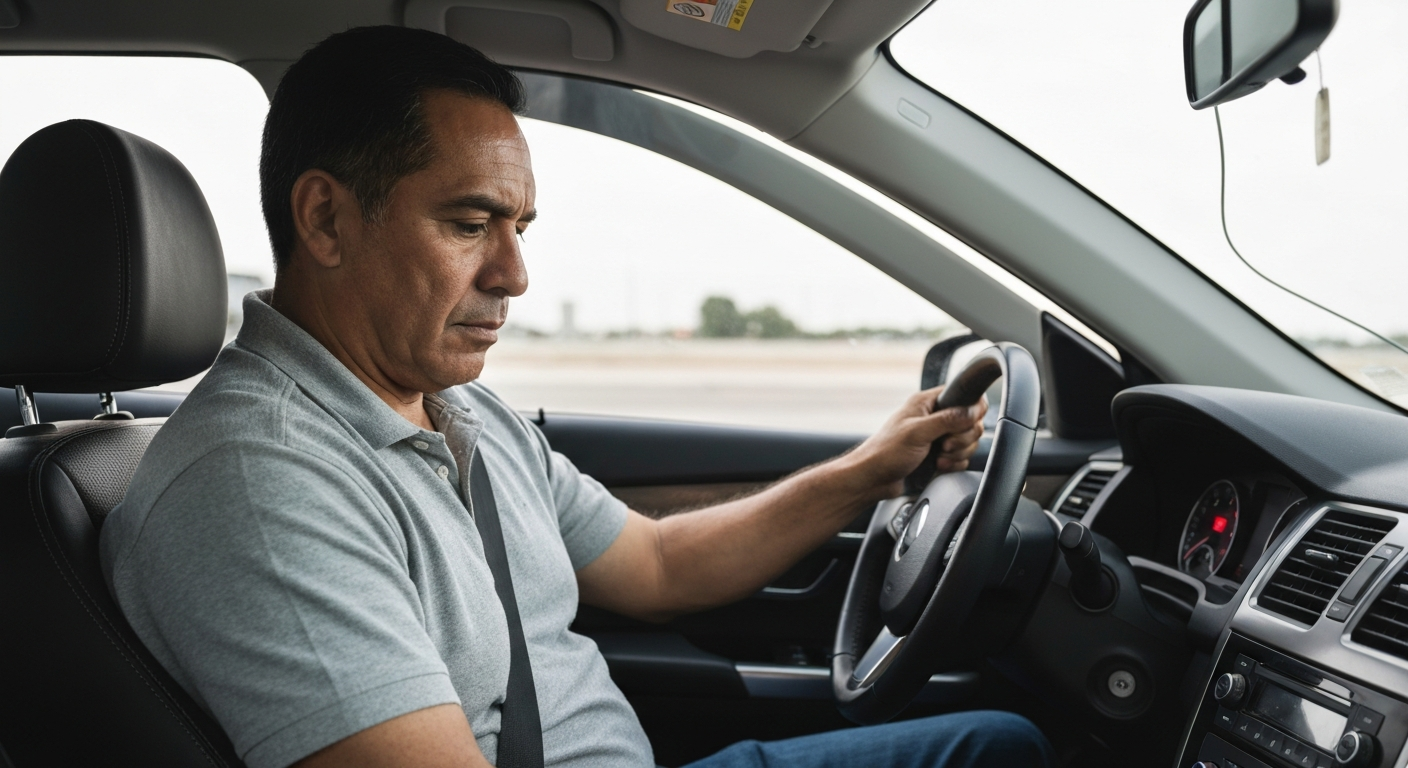

Your brake light is on because of low brake fluid, an engaged parking brake, worn brake pads, or a problem with your braking system—any of which requires immediate attention before you drive further.
The red or amber brake warning light on your dashboard is one of the most critical indicators your vehicle has. Unlike a check engine light that might signal a minor issue, a brake light means something in your stopping system needs attention right now. The good news: many causes are simple fixes you can diagnose yourself. The not-so-good news: ignoring this light could mean the difference between stopping safely and a serious accident.
| ✓Our Pick |
Top-Rated Brake Fluid Testers on Amazon No special skills required — straightforward to use and most orders ship quickly. See on Amazon → |
| ✓Our Pick |
Nilight LED replacement lights — brighter, longer-lasting upgrade for headlights, tail lights, and interior A top-rated pick that works — readers who tried this reported noticeable improvement within days. Learn More → |
The brake warning light indicates a fault in your braking system that could affect your ability to stop the vehicle safely—it's designed to illuminate before you lose braking power entirely.
Modern vehicles typically have two brake-related warning lights. The red brake light (often showing the word "BRAKE" or an exclamation point inside a circle) warns of hydraulic system issues, low fluid, or an engaged parking brake. The amber ABS light indicates a problem specifically with your anti-lock braking system. When both lights come on simultaneously, you're looking at a more serious issue that affects the entire braking system.
Your car's brake warning system works on a simple principle: sensors throughout the braking system monitor fluid levels, pressure, and component wear. When any sensor detects a value outside normal parameters, it triggers the warning light. This early-warning design means you typically have time to address the issue—but not unlimited time.
"The brake warning light should never be ignored. It's one of the few dashboard warnings that indicates a potentially immediate safety hazard rather than a maintenance reminder." — National Highway Traffic Safety Administration
Most brake light warnings stem from six causes, ranging from a simple parking brake mistake to serious hydraulic failures—here's how to identify which one you're dealing with.
The most common and least serious reason for a brake warning light is a partially engaged parking brake. Even a slight engagement—sometimes just one click—can trigger the sensor. Before assuming the worst, pull the parking brake release lever fully and ensure the pedal or handle is completely disengaged. In vehicles with electronic parking brakes, check that the dashboard indicator shows the brake is fully released.
Brake fluid operates your entire hydraulic braking system. When levels drop below the minimum, a float sensor in the master cylinder reservoir triggers the warning light. Pop your hood and locate the translucent brake fluid reservoir (usually near the firewall on the driver's side). The fluid level should be between the "MIN" and "MAX" lines.
Low brake fluid typically means one of two things: your brake pads have worn down (more fluid stays in the caliper pistons as pads thin), or you have a leak somewhere in the system. If you top off the fluid and the light returns within a few days, you're likely dealing with a leak that needs professional attention.
Many 2026 model-year vehicles have electronic brake pad wear sensors embedded in the pads themselves. When the pad material wears down to a dangerous level, the sensor wire becomes exposed and grounds against the rotor, completing a circuit that illuminates the warning light.
You can often inspect brake pads visually through the wheel spokes. New pads are typically 10-12mm thick; they need replacement around 3mm. If you see less than 1/4 inch of pad material, that's your culprit.
| ✓Our Pick |
Best Brake Pad Replacement Kits on Amazon Highly rated by thousands of buyers — this is one of the most effective solutions for this issue you can try at home. See on Amazon → |
The ABS (anti-lock braking system) has its own warning light, but failures can sometimes trigger the main brake light too. ABS issues commonly stem from faulty wheel speed sensors, which can be damaged by road debris, corrosion, or accumulated brake dust. A failing ABS module or damaged wiring harness can also cause intermittent warnings.
When only the ABS light illuminates, your standard brakes still work—you just won't have anti-lock protection during emergency stops. When both lights come on, the problem affects your primary braking system and requires immediate diagnosis.
Your braking system relies on sealed hydraulic lines to transfer pedal pressure to the brake calipers. A leak anywhere in this closed system means lost pressure and reduced stopping power. Common leak points include:
Signs of a hydraulic leak include a spongy brake pedal, visible fluid near wheels or under the car, and the need to press the pedal further than usual. Brake fluid is typically clear to amber and has an oily consistency.
"A brake fluid leak is a progressive failure—it may start small but will worsen over time. Any visible leak or unexplained fluid loss requires immediate professional inspection." — Car Care Council
The brake light switch sits near the top of your brake pedal and serves two functions: it illuminates your rear brake lights when you press the pedal, and it signals the dashboard when the brakes are applied. A malfunctioning switch can send incorrect signals, triggering the warning light even when nothing is wrong with your actual brakes.
Test this by having someone watch your rear brake lights while you press the pedal. If the lights don't illuminate or stay on constantly, a faulty switch is likely. This is a relatively inexpensive fix but should be addressed quickly since non-functioning brake lights are both dangerous and illegal.
Also Read: Why Is My Car Shaking When I Drive? 7 Causes & Fixes (2026)
Modern OBD-II scanners can read brake system fault codes, but a systematic visual inspection often identifies the problem faster than plugging in a diagnostic tool.
Follow this diagnostic sequence:
| Step | Check | What You're Looking For | Action If Found |
|---|---|---|---|
| 1 | Parking brake | Lever/pedal not fully released | Release completely |
| 2 | Brake fluid reservoir | Fluid below MIN line | Top off with DOT-specified fluid |
| 3 | Under vehicle | Wet spots near wheels or lines | Don't drive; tow to mechanic |
| 4 | Brake pads (visual) | Less than 3mm material remaining | Schedule pad replacement |
| 5 | Brake pedal feel | Spongy, sinks to floor, or too hard | Indicates master cylinder or booster issue |
| 6 | OBD-II scan | ABS or brake system fault codes | Diagnose specific code |
If you have an OBD-II scanner with ABS capability (standard scanners often only read engine codes), connect it and look for codes in the C0000-C1999 range, which typically indicate chassis and braking system faults. Common codes include C0035-C0051 for wheel speed sensor issues and C0265-C0267 for ABS pump motor problems.
| ✓Our Pick |
OBD-II Scanners With ABS Capability on Amazon A top-rated pick that works — readers who tried this reported noticeable improvement within days. See on Amazon → |
If the parking brake was engaged and releasing it turns off the light, you're fine to drive—but any other cause requires immediate attention before continuing.
Here's a practical safety decision framework:
Safe to drive to a mechanic (not far distances):
- Light came on after topping off brake fluid and stays off
- Only ABS light is on (standard brakes still work)
- Pedal feels normal with no spongy sensation
Do not drive—tow the vehicle:
- Brake pedal feels soft, spongy, or sinks to the floor
- You see brake fluid leaking anywhere
- Both brake and ABS lights are illuminated
- Pedal goes nearly to the floor before brakes engage
- Vehicle pulls sharply to one side when braking
The consequences of brake failure at speed are catastrophic. No appointment, errand, or deadline is worth the risk of discovering your brakes don't work when you need them most.
Also Read: Why Is My Check Engine Light Flashing?
The brake warning light resets automatically once the underlying problem is fixed—there's no manual reset because the light is tied directly to sensor readings, not a stored code.
Unlike a check engine light that may stay on after repairs until manually cleared, brake warning lights operate in real-time. When you:
If you've addressed the apparent cause but the light remains on, either the repair was incomplete, there's a secondary issue, or a sensor itself has failed. A diagnostic scan can distinguish between an active fault and a faulty sensor.
Brake repair costs range from under $20 for fluid to over $1,000 for full system overhauls—the exact cost depends entirely on what's causing your warning light.
| Repair | Parts Cost | Labor Cost | Total Range |
|---|---|---|---|
| Brake fluid top-off | $5-15 | DIY or free | $5-15 |
| Brake pad replacement (per axle) | $30-150 | $75-150 | $100-300 |
| Brake fluid flush | $10-30 | $50-100 | $60-130 |
| Brake line repair | $20-50 | $100-200 | $120-250 |
| Master cylinder replacement | $100-400 | $150-300 | $250-700 |
| ABS module replacement | $200-600 | $100-200 | $300-800 |
| Full brake system overhaul | $300-800 | $400-600 | $700-1,400 |
Dealership labor rates typically run 20-50% higher than independent shops. For straightforward repairs like pad replacement or fluid flushes, a reputable independent mechanic offers the same quality at lower cost.
| ✓Our Pick |
Brake Bleeding Kits on Amazon One of the highest-rated products in its category — a reliable fix used by thousands of people. See on Amazon → |
Your brake light is a critical safety warning that most commonly indicates an engaged parking brake, low brake fluid, worn pads, or a hydraulic system issue. Start by checking your parking brake and fluid level—these take 30 seconds and solve most cases. If the light persists after these checks, or if your brake pedal feels different than usual, have the system professionally inspected before driving further. Brake failures are progressive and always worsen without intervention.
Some vehicles illuminate dashboard warning lights briefly during the key-on, engine-off position as a bulb check. This is normal. However, if the brake light stays on with the ignition fully off, you likely have an electrical fault—possibly a stuck brake light switch, a short in the warning circuit, or a failing body control module. This can drain your battery and should be diagnosed promptly.
A brake light that illuminates during acceleration usually points to low brake fluid sloshing in the reservoir. As you accelerate, fluid shifts backward, momentarily uncovering the level sensor. This indicates your fluid is right at the minimum threshold—top it off and inspect for the underlying cause (worn pads or a slow leak). A failing brake booster that loses vacuum under engine load can also cause this symptom.
No. In all 50 states, an illuminated brake warning light is an automatic inspection failure. The light indicates a safety-critical system fault, and inspection stations are required to fail vehicles that present active safety warnings. You'll need to resolve the underlying issue and confirm the light is off before attempting inspection.
This depends entirely on the cause. If it's a parking brake sensor issue with no actual brake problem, you could theoretically drive indefinitely—but you won't know that without diagnosis. If the cause is low fluid from worn pads, you might have hundreds of miles before pads wear to metal. If you have a hydraulic leak, you could lose brakes at any moment. The safest answer: don't drive beyond what's necessary to reach a mechanic or your home.
When both lights illuminate simultaneously, the problem affects a component common to both systems—most often the master cylinder, brake fluid level, or a wheel speed sensor that feeds data to both the ABS controller and the main brake warning system. This dual warning is more serious than either light alone and indicates reduced braking capability. Have the vehicle towed rather than driving it.
Reviewed and Updated on April 17, 2026 by Adelinda Manna