
Technology
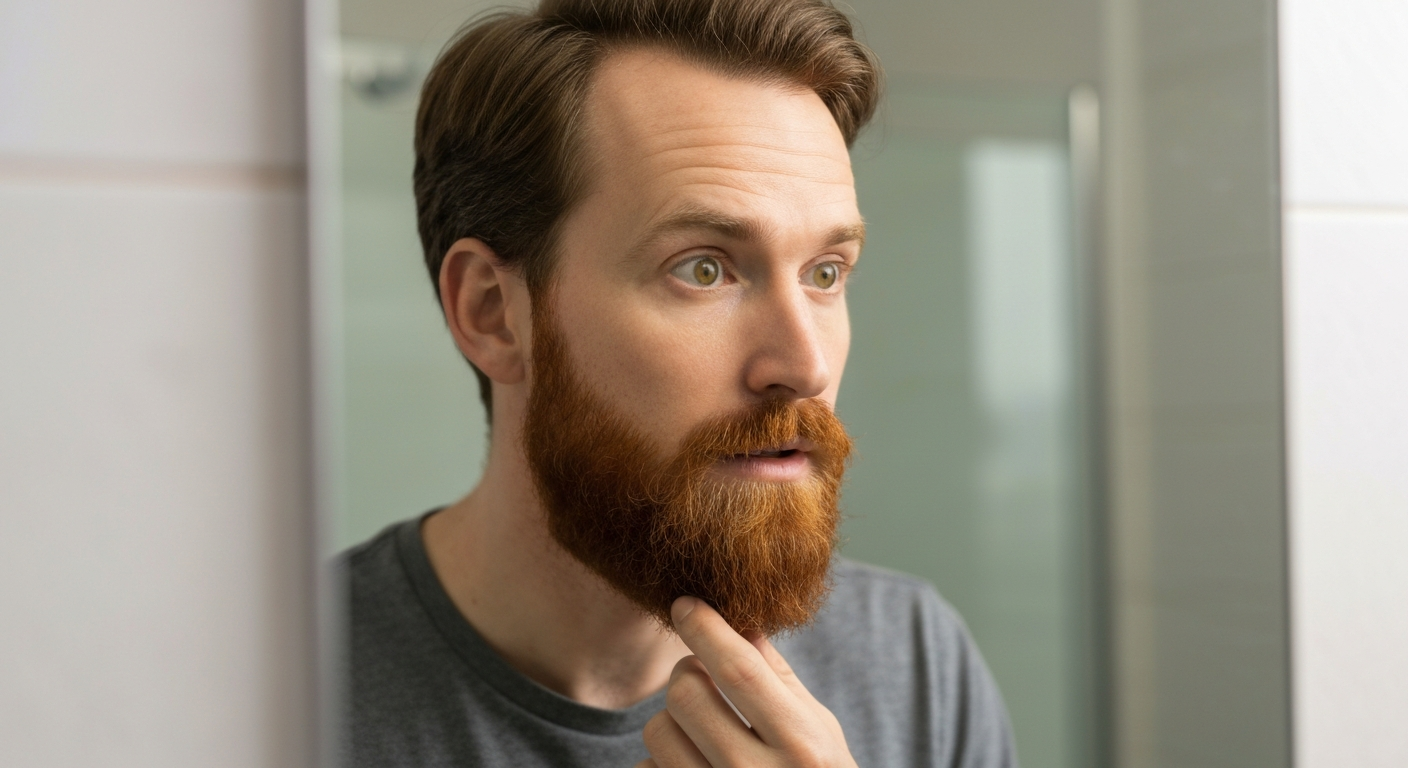

Your beard is turning red because of a gene called MC1R — you only need one copy of it to produce the reddish-orange pigment pheomelanin in your facial hair, even if the hair on your head is brown, black, or blonde.
This quirk of genetics is surprisingly common. The MC1R gene is recessive for full red hair on your head (you'd need two copies), but it's "incompletely dominant" in facial hair. That means just one copy from either parent can trigger red, auburn, or copper tones in your beard while leaving your scalp hair a completely different color. You're not imagining it, and nothing is wrong with you — it's simply how human pigmentation works.
| ✓Quick Fix |
The Go-To Fix for This Right Now One of the simplest things to try immediately — no appointment, no waiting. See on Amazon → |
The color of your beard comes down to two types of melanin: eumelanin (brown/black) and pheomelanin (red/yellow). The MC1R gene controls which type your hair follicles produce.
Every hair follicle on your body operates somewhat independently when it comes to pigment production. The cells that create melanin — called melanocytes — respond to genetic instructions that can vary by body region. Your scalp follicles might receive strong signals to produce eumelanin, giving you dark hair. But the follicles in your beard can interpret those same genetic instructions differently.
"The MC1R gene provides instructions for making a protein called the melanocortin 1 receptor. When this receptor is activated, it triggers a cascade of reactions that promote the production of eumelanin. If the receptor isn't fully functional, pheomelanin accumulates instead." — MedlinePlus at National Library of Medicine
This explains why roughly 40% of Northern European descendants carry at least one MC1R variant, even though only 2–6% have full red hair on their heads. The variant shows up more readily in coarser beard hair, where follicles have different melanocyte densities than scalp follicles.
The takeaway: your beard turning red (or having red in it) is a normal expression of your genetic makeup, not a sign of a health problem or nutritional deficiency.
Beard follicles are structurally different from scalp follicles — they're larger, produce coarser hair, and respond differently to androgens, which can amplify the expression of recessive color genes.
When you hit puberty, androgens like testosterone and DHT activate your facial hair follicles for the first time. These hormones influence how melanocytes behave in newly active follicles. If you carry one MC1R variant, it may have been "silent" in your scalp hair (which developed much earlier in childhood) but becomes visible in your adult beard.
Several factors explain this regional difference:
| Factor | Scalp Hair | Beard Hair |
|---|---|---|
| Follicle size | Smaller | Larger |
| Hair texture | Finer (usually) | Coarser |
| Androgen sensitivity | Lower | Higher |
| Melanocyte activation period | Childhood | Puberty |
| MC1R expression | May be masked | More visible |
The coarseness of beard hair also plays a role. Thicker hair shafts can display pheomelanin more prominently because there's more surface area to reflect light. A single auburn strand on your chin is far more noticeable than the same strand hidden among thousands of scalp hairs.
| ✓Our Pick |
Beard care essentials for mixed-color beards Highly rated by thousands of buyers — this is one of the most effective solutions for this issue you can try at home. See on Amazon → |
Yes — UV exposure breaks down eumelanin faster than pheomelanin, which can make existing red tones in your beard more visible over time.
If you've noticed your beard looking redder in summer, you're not imagining things. Sunlight has a bleaching effect on hair, but it affects the two melanin types differently. Eumelanin (the darker pigment) is more susceptible to UV degradation than pheomelanin. The result: your beard's brown tones fade while the red and copper tones remain, shifting the overall color toward ginger or auburn.
This effect is temporary and reversible — as new hair grows in, it will have your natural mix of pigments. But if you spend a lot of time outdoors, you might notice a persistent reddish cast to your beard that wasn't there when you spent more time indoors.
To minimize sun-induced color shift:
- Apply beard oil with natural UV protectants like argan or jojoba oil
- Wear a hat or buff when in direct sun for extended periods
- Accept that some lightening is normal and won't affect your beard's health
Stress and health conditions don't turn your beard red, but they can cause changes in texture or growth patterns that make existing red tones more noticeable.
A common myth holds that stress, vitamin deficiencies, or thyroid problems can change your hair color. The reality is more nuanced. Your genetic hair color is set at the follicle level — no amount of stress will make your melanocytes suddenly start producing pheomelanin if the genetic instructions aren't there.
However, health factors can affect how your beard looks:
"There is no scientific evidence that stress or nutritional factors can change the type of melanin your hair produces. Hair color is determined by genetics, and the only natural color changes that occur are related to aging and gray hair." — Dr. Shilpi Khetarpal at Cleveland Clinic Dermatology
If your beard has recently started showing red and you're concerned about a health cause, the color change is almost certainly coincidental. You may have simply started growing your beard longer, allowing more of the natural variation to show, or lighting conditions have changed how you perceive it.
Also Read: Why Is My Mole Itchy? 7 Causes & When to Worry
If both your beard and scalp hair are developing red tones simultaneously, it's likely due to cumulative sun exposure, gradual graying, or simply noticing what was always there.
Some people don't notice the red in their hair until middle adulthood. As eumelanin production naturally decreases with age, the underlying pheomelanin becomes more visible. This is different from going gray — it's a shift in the balance of pigments, not a loss of all pigment.
The same MC1R gene that causes a red beard can create subtle auburn highlights throughout your hair that become more prominent as you age. Many people with brown hair discover a significant red undertone when they:
This phenomenon is particularly common in people with ancestry from Scotland, Ireland, England, and Scandinavia, but MC1R variants exist in populations worldwide. In 2026, genetic testing services have made it easier than ever to confirm whether you carry the variant.
Beard color often shifts toward red as you age because eumelanin production declines before pheomelanin production does, unmasking the underlying reddish pigment.
Men commonly report their beards becoming more red or ginger between ages 30 and 50. This isn't your imagination. The melanocytes in your follicles slow their production of eumelanin first, while pheomelanin production continues at a steadier rate.
The progression typically looks like this:
| Age Range | Common Beard Changes |
|---|---|
| 20s | Full color, minimal variation |
| 30s | Red/copper tones emerge, especially in sunlight |
| 40s | Red hairs more visible, some gray appearing |
| 50s+ | Mix of gray, red, and original color |
This gradual shift explains why many men are surprised by red beard hairs that "appeared out of nowhere." Those hairs were always capable of producing pheomelanin — the balance simply shifted to make it visible.
Also Read: Why Is My Big Toenail Yellow? 7 Causes & Treatments
If you prefer a more uniform beard color, tinted beard products, color-depositing conditioners, or semi-permanent dyes can neutralize red tones without harsh chemicals.
Not everyone loves the "mutton chops of many colors" look. If your red beard hairs bother you, several options exist:
If you go the dye route, choose products specifically formulated for facial hair. Scalp hair dyes can irritate the sensitive skin on your face and may not hold well in coarser beard texture.
For those who simply want to rock the red, beard oils with light-enhancing ingredients can actually make the copper tones more vibrant and intentional-looking.
A red beard with non-red head hair is completely normal and caused by the MC1R gene, which you may carry from just one parent. This gene expresses differently in facial hair follicles due to their larger size, coarser texture, and androgen sensitivity. Sun exposure can make the red more prominent, while aging may shift the balance toward more visible pheomelanin. This is a genetic trait, not a health problem, and roughly 40% of people with Northern European ancestry carry the variant.
As you age, your melanocytes produce less eumelanin (brown/black pigment) while pheomelanin (red/yellow pigment) production remains relatively stable. This shift unmasks red undertones that were always present in your hair genetics. Sun exposure accelerates eumelanin breakdown, making the effect more noticeable if you spend time outdoors. You're not developing new pigment — you're seeing what was always there become more visible.
The MC1R gene variant is most common in populations from Scotland, Ireland, and Northern Europe, where up to 40% of people carry at least one copy. However, the gene exists worldwide and can show up in any ethnic background. Having a red beard suggests you carry the variant but doesn't definitively prove specific ancestry — genetic testing would give you more precise information about your heritage.
There's no natural method to change your genetic pigment production. However, limiting sun exposure will slow the breakdown of eumelanin and keep your beard closer to its original color. Staying hydrated and using quality beard care products can also help your beard look healthier and more uniform. For actual color change, you'd need to use dyes or color-depositing products.
Eyebrow follicles, beard follicles, and scalp follicles all have different melanocyte densities and respond differently to genetic instructions. Beard follicles are activated by androgens at puberty and tend to express the MC1R variant more readily than eyebrow or scalp follicles. This is why the same person can have black eyebrows, brown head hair, and a ginger beard — each region operates somewhat independently.
Not necessarily. For a child to have full red hair on their head, they typically need two copies of the MC1R variant (one from each parent). If you carry one copy and your partner carries none, your children might inherit your single copy and potentially have red tints in their beard as adults, but they won't be born with red hair. If both parents carry the variant, there's a 25% chance of a fully red-haired child.
Reviewed and Updated on June 20, 2026 by George Wright