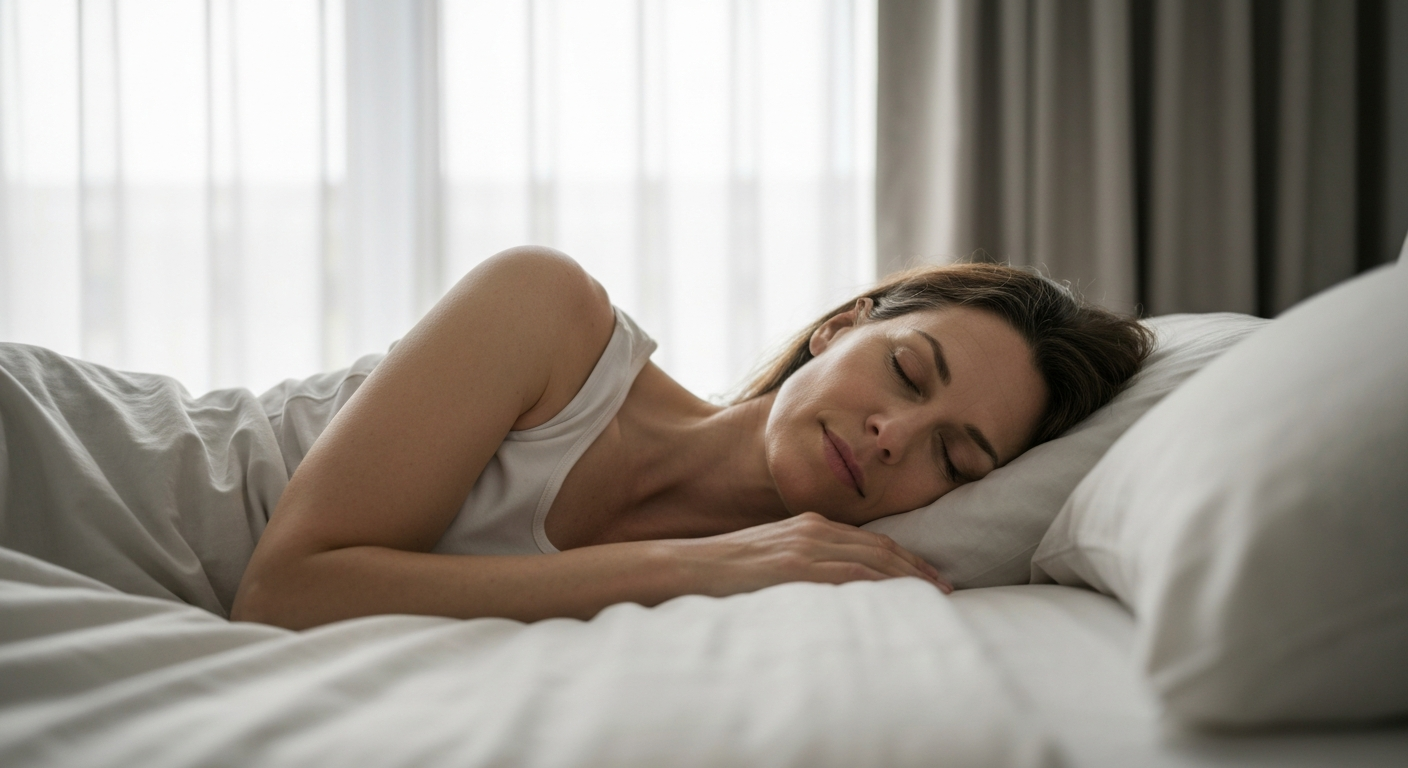
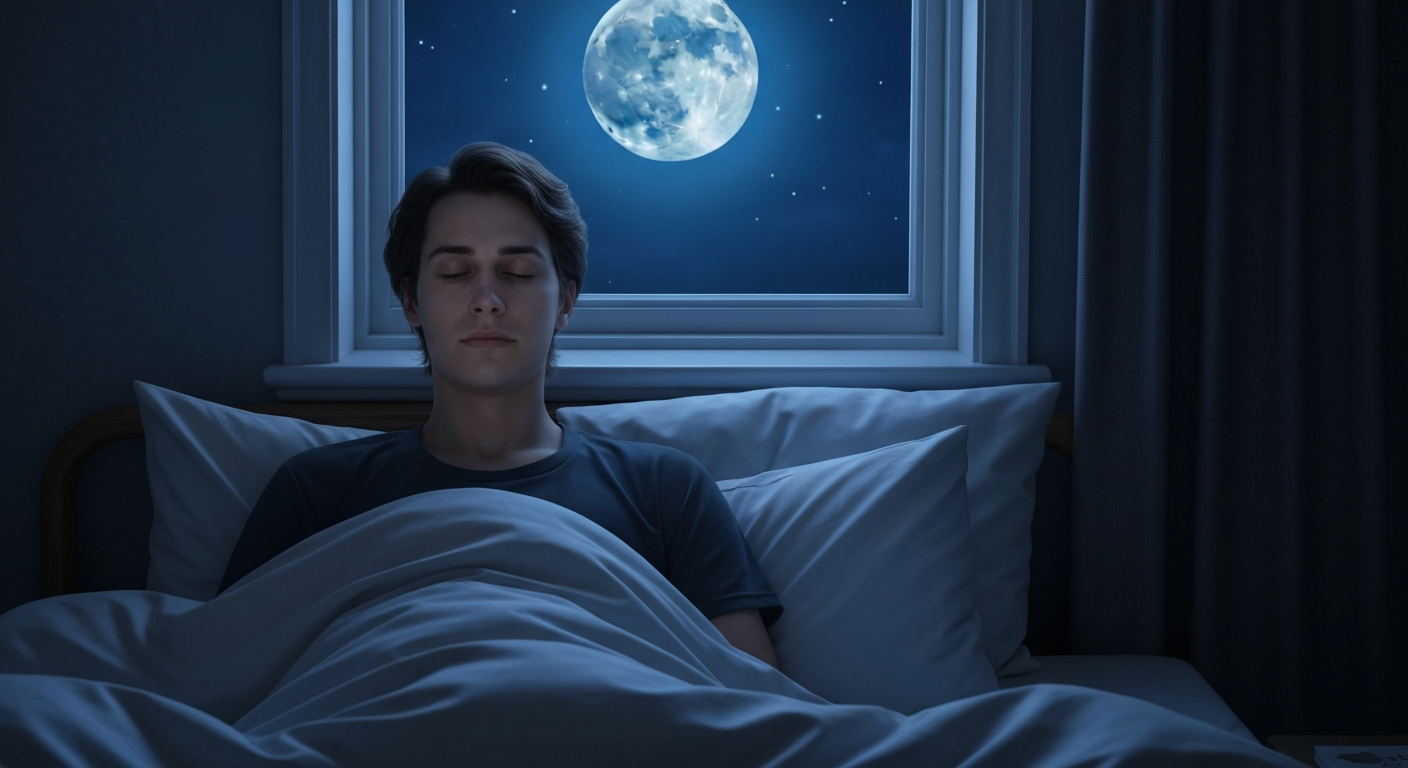
Your own snoring wakes you up when it's loud enough to cross your personal arousal threshold — the volume level at which your brain interrupts sleep to respond to a sound — and that threshold shifts depending on which sleep stage you're in. It's a real, well-understood piece of sleep science, not just bad luck, and it's worth understanding the mechanism before assuming the worst.
What an "Arousal Threshold" Actually Is
Every sound, including your own snoring, has to cross a volume threshold before your brain treats it as worth waking up for — and that threshold isn't fixed.
"Snoring in and of itself is caused by vibration of the tissues in the back of the throat." — Dr. Virginia Skiba, Neurologist and Sleep Medicine Physician at Henry Ford Medical Center, via the American Medical Association
During lighter sleep stages, that threshold drops, meaning quieter sounds are more likely to trigger a partial wake-up. During deep sleep, the threshold rises sharply, and even fairly loud snoring tends to pass without disturbing you at all. So the exact same snore, at the exact same volume, might wake you during one sleep stage and do nothing during another.
Why Timing in the Night Matters
You're more likely to be woken by your own snoring during lighter sleep and REM sleep than during deep, slow-wave sleep, simply because your brain is more reactive to sound at those points. This is also why the timing can feel inconsistent — waking yourself up snoring three nights in a row, then sleeping through it for a week, isn't random; it usually tracks with how much time you're spending in lighter sleep stages, which itself is affected by stress, alcohol, and sleep schedule consistency.
| ✓Our Pick |
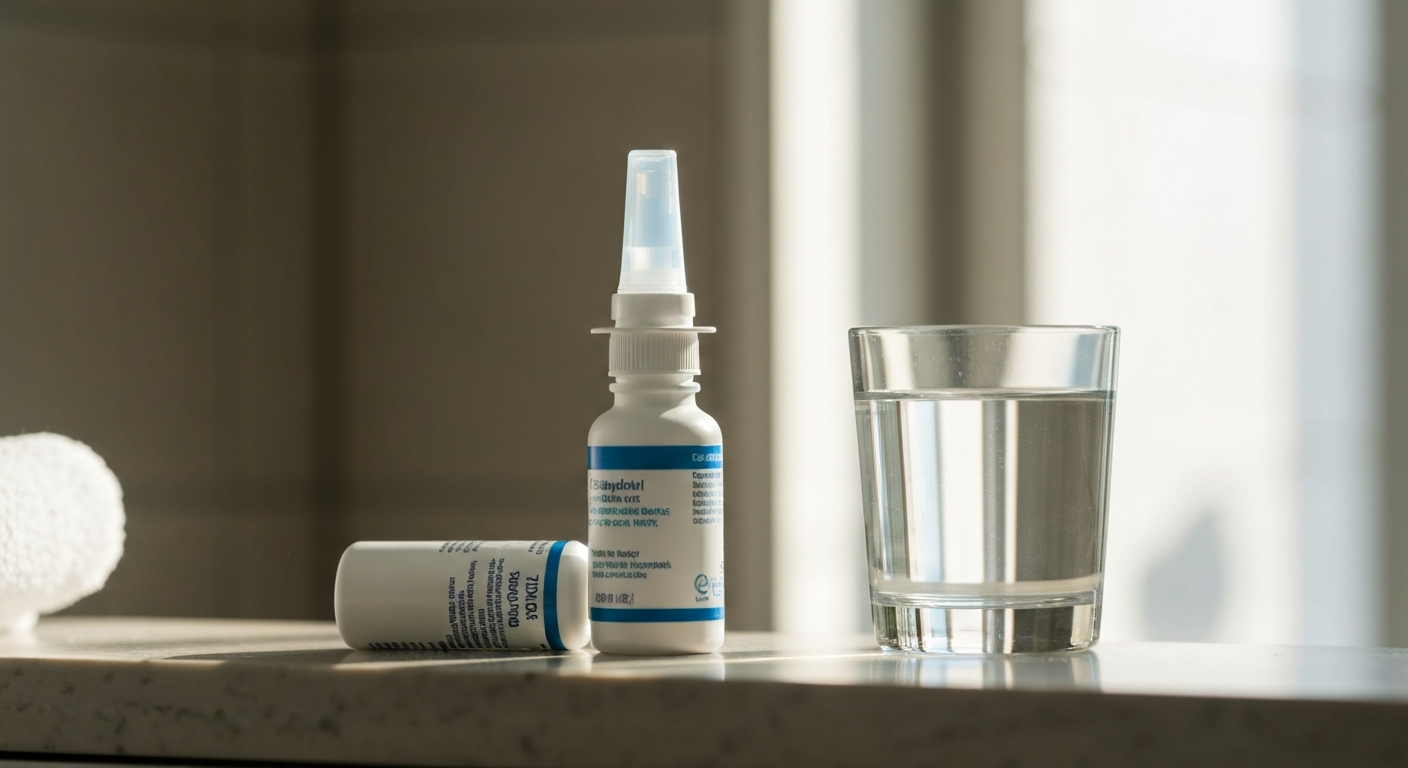
Custom-fit mouthpiece that repositions your jaw to stop snoring A well-reviewed choice that delivers real results — worth every penny for anyone dealing with this. Learn More → |
Reducing how loud the snoring is in the first place — through position changes or an oral appliance — lowers the chance that any given snore crosses the threshold, regardless of which sleep stage you're in at the time.
When It's More Than Just a Loud Snore
Occasionally waking yourself up with an ordinary snore is generally not a concern on its own. It becomes a different conversation when the wake-up is paired with gasping or a choking sensation, rather than simply hearing the sound.
Also Read: Hear Yourself Snoring? Why It Happens & What to Do
That gasping pattern is a hallmark of obstructive sleep apnea, where breathing is briefly and repeatedly interrupted, and the gasp itself — not just the snore — is what jolts you awake. The distinction matters: a snore that wakes you because it was loud is different from a wake-up that happens because you stopped breathing for a few seconds first.
In Short
Your own snoring wakes you up when its volume crosses your brain's arousal threshold, which is lower during light and REM sleep and higher during deep sleep — explaining why it can feel random from night to night. Reducing how loud you snore in the first place, through position changes or a fitted oral appliance, lowers the odds of crossing that threshold; waking with gasping or a choking sensation specifically is the signal that points toward sleep apnea rather than ordinary loud snoring.
What You Also May Want To Know
Why does my snoring wake me up some nights but not others?
It usually comes down to which sleep stage you're in when the loud snoring happens — lighter sleep and REM sleep have a lower arousal threshold, making you more likely to wake, while deep sleep has a higher threshold that lets even loud snoring pass unnoticed.
Is waking yourself up snoring a sign of sleep apnea?
Not on its own. Waking from the sound of your own snoring is common and usually unrelated to apnea; it becomes more concerning when the wake-up involves gasping or a choking sensation rather than just hearing yourself.
Can stress make me wake up from my own snoring more often?
Yes, indirectly. Stress tends to fragment sleep and increase time spent in lighter sleep stages, which lowers your arousal threshold and makes you more likely to be woken by sounds, including your own snoring.
Does alcohol affect whether I wake myself up snoring?
Alcohol relaxes throat muscles, which can make snoring louder, but it also suppresses arousal responses in some sleep stages, which is why some people snore more loudly under the influence of alcohol yet wake up less from it.
Will a quieter snore mean I stop waking myself up?
Generally, yes. Reducing snoring volume through position changes or an oral appliance lowers the chance that any individual snore is loud enough to cross your arousal threshold, regardless of which sleep stage you're in.
Reviewed and Updated on June 20, 2026 by George Wright