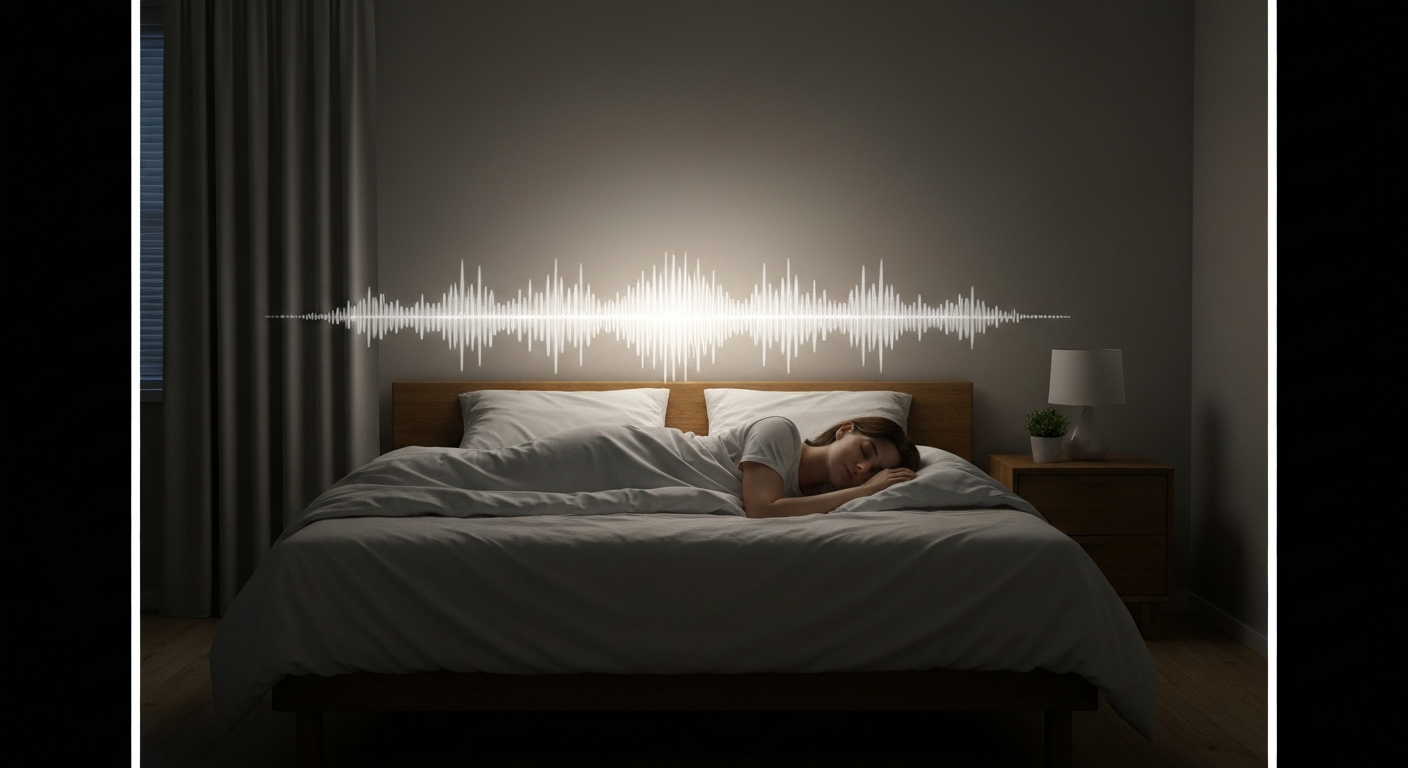
The sound of snoring is a clue, not just noise — a whistle usually points to the nose, a deep rattle points to the throat, and gasping or choking points toward sleep apnea. Learning to tell these apart takes the guesswork out of figuring out what's actually causing it, before trying any fix.
| ✓Our Pick |
Custom-fit mouthpiece that repositions your jaw to stop snoring Backed by strong customer feedback — the most recommended solution in forums and Q&A communities. Learn More → |
The Basic Sound: A Rumbling, Rattling Vibration
At its core, snoring is the sound of soft tissue vibrating as air pushes past it during sleep.
"Snoring is the rumbling, snorting or harsh rattling sound some people make during sleep." — Cleveland Clinic
That rumbling, throat-based sound is what most people picture by default, and it comes from the soft palate and tissue at the back of the throat vibrating as it relaxes. It tends to be lower-pitched and steadier than the other sound types below.
A Whistling or Hissing Sound Points to the Nose
A thinner, higher-pitched whistle or hiss, especially noticeable when lying on your back with any nasal stuffiness, usually means the sound is originating in the nose rather than the throat. Air squeezing through a narrowed nasal passage — from congestion, a deviated septum, or swollen tissue — produces that distinct whistle, separate from the deeper throat rattle.
Also Read: Snoring Due to Allergies: Causes, Triggers & 6 Fixes
A Heavier, Choppier Sound Can Mean the Tongue or Jaw
A heavier, more irregular sound — sometimes described as a snort or a choppy rattle rather than a steady rumble — often points toward the back of the tongue falling against the throat, which is more common when sleeping on your back or after alcohol relaxes jaw and tongue muscles more than usual. This type tends to respond well to position changes and jaw-repositioning devices specifically, since both directly address tongue placement.
Gasping or Choking Sounds Are a Different Category Entirely
A gasp, snort-awake, or brief silence followed by a loud gasp is not the same thing as ordinary snoring, and it's the one sound pattern that warrants medical attention rather than just a home fix. This pattern reflects a pause in breathing followed by the body forcing itself to resume — the hallmark of obstructive sleep apnea, not simple primary snoring.
"Snoring in and of itself is caused by vibration of the tissues in the back of the throat." — Dr. Virginia Skiba, Neurologist and Sleep Medicine Physician at Henry Ford Medical Center, via the American Medical Association
Skiba's broader point applies here directly: the snoring sound itself is rarely the issue — gasping layered on top of it is what should prompt a conversation with a doctor.
Quick Sound Guide
| Sound |
Likely source |
What it suggests |
| Deep rumble or rattle |
Soft palate / throat |
Common, classic snoring |
| High-pitched whistle or hiss |
Nose |
Congestion, deviated septum |
| Heavy, choppy snort |
Tongue / jaw |
Back-sleeping, tongue falling back |
| Gasping, choking, or silence then a gasp |
Airway briefly blocked |
Possible sleep apnea — see a doctor |
In Short
The sound snoring makes is a genuine diagnostic clue — a steady rumble points to throat tissue, a whistle points to the nose, a choppy snort points to the tongue or jaw, and gasping or choking points toward sleep apnea rather than ordinary snoring. Matching the sound to the likely source makes it easier to pick the right fix, whether that's a nasal strip, a position change, an oral appliance, or, for gasping specifically, a doctor's evaluation.
What You Also May Want To Know
Can one person make more than one type of snoring sound in a night?
Yes, it's common to hear a combination — a whistle from nasal congestion alongside a deeper rattle from throat tissue, for example — since multiple causes can be active at the same time.
Does a louder snore always mean a more serious problem?
Not necessarily. Volume alone doesn't indicate severity; the pattern matters more, since loud but steady snoring is different from quieter snoring that's interrupted by gasping or pauses in breathing.
Why does my snoring sound different when I have a cold?
A cold causes nasal congestion, which often shifts your snoring sound toward a whistle or hiss rather than your usual rattle, and that change typically resolves once the congestion clears.
Can a partner accurately describe my snoring sound to a doctor?
Yes, and it's genuinely useful — a partner's description of the sound pattern, especially whether gasping or pauses are present, can help a doctor decide whether further testing for sleep apnea is warranted.
Is it possible to record my own snoring sound to identify the type?
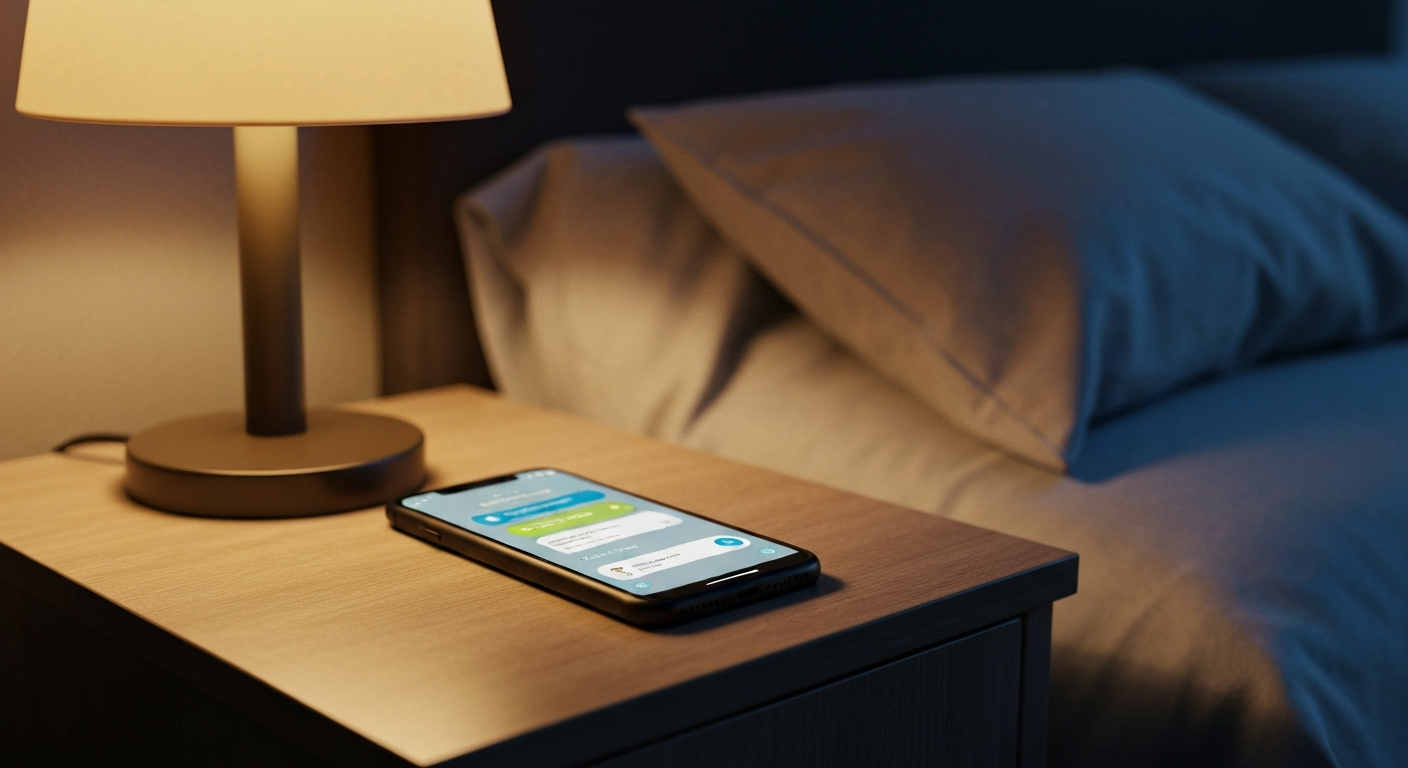
Yes, a phone voice recorder or a dedicated snore-tracking app placed near the bed can capture the sound pattern overnight, which is useful both for self-assessment and for sharing with a doctor if needed.
Reviewed and Updated on June 20, 2026 by George Wright