Sleep
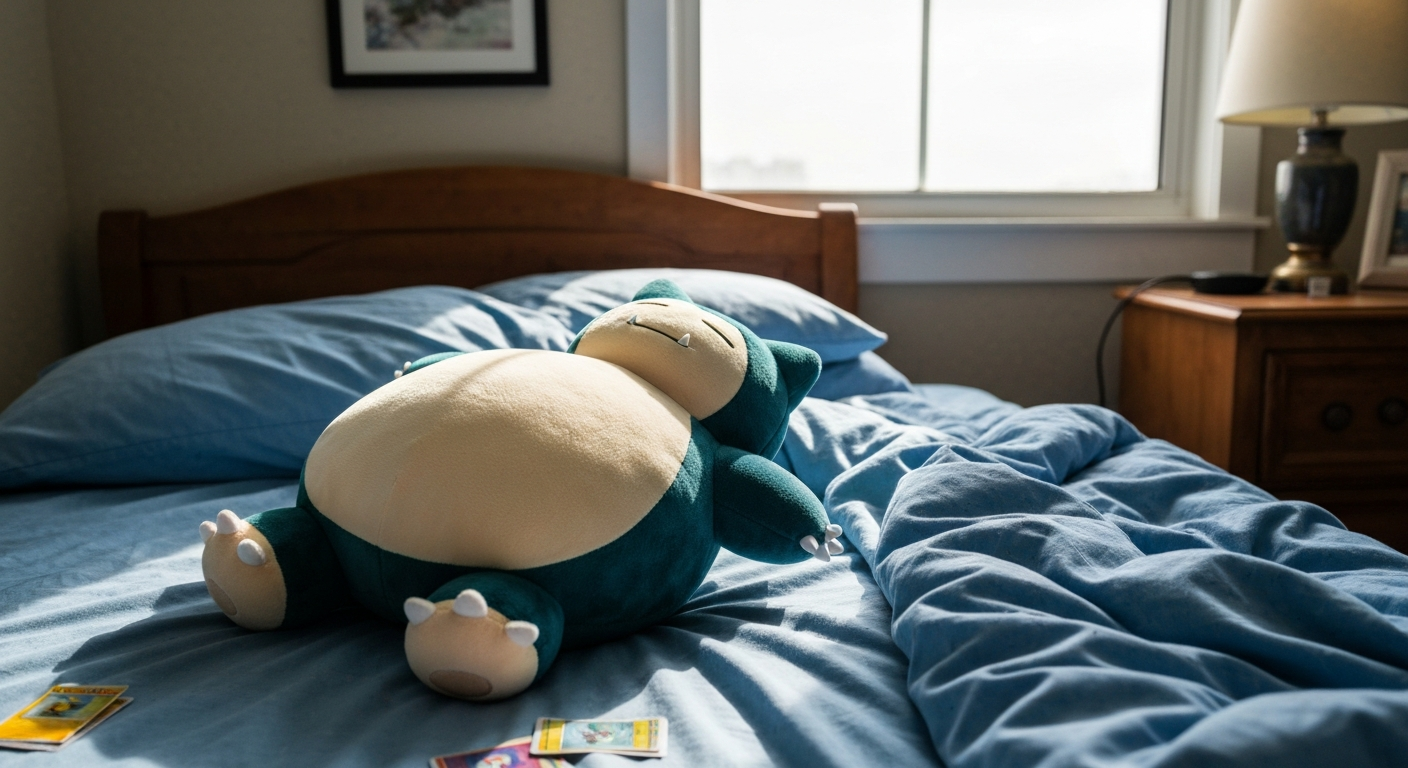

Snore is a Normal-type move in Pokémon that can only be used while the user is asleep — it deals damage and has a 30% chance to make the opponent flinch, making it one of the few ways a sleeping Pokémon can still contribute to battle.
The move has appeared in every main series Pokémon game since Generation II and remains a niche but occasionally useful option for specific strategies in 2026. While it won't win you any tournaments on its own, understanding how Snore works can help you turn a bad situation (your Pokémon falling asleep) into an unexpected advantage.
Snore is a sound-based Normal-type move with 50 base power that only works when the user is asleep — it fails completely if the Pokémon is awake.
Introduced in Pokémon Gold and Silver (Generation II), Snore was designed to give sleeping Pokémon a fighting chance. Here's what makes it unique:
| Attribute | Value |
|---|---|
| Type | Normal |
| Category | Special |
| Base Power | 50 |
| Accuracy | 100% |
| PP | 15 (max 24) |
| Priority | 0 |
| Flinch Chance | 30% |
| Contact | No |
| Sound-based | Yes |
Because Snore is a sound-based move, it bypasses Substitute but is blocked entirely by the Soundproof ability. The 30% flinch chance can occasionally swing a battle, but the 50 base power means you're dealing chip damage at best.
Snore activates only during the turns your Pokémon remains asleep — once it wakes up, the move fails until the Pokémon falls asleep again.
The mechanics work like this:
One important detail: if you use Rest to put your own Pokémon to sleep for healing, Snore gives you something to do during those sleep turns instead of being a sitting duck. This is where the move sees its most practical use.
Nearly every Pokémon that can sleep can learn Snore — it was available as TM13 in older games and remains a widely distributed move through TMs, TRs, or level-up in various generations.
Some notable Pokémon that use Snore effectively (or at least thematically):
Komala deserves special mention because its Comatose ability means it's technically always asleep (while being immune to other status conditions). This makes Snore consistently usable, though 50 base power still limits its effectiveness.
Snore is generally not competitively viable due to its low power and situational activation — but it has niche applications in specific Rest-based strategies.
Here's the honest breakdown:
Why Snore struggles:
- 50 base power is extremely weak for a main attacking move
- Only works while asleep, limiting when you can use it
- Sleep Talk exists and is almost always the better choice
- No STAB bonus for most Pokémon that would want to use it
Where Snore has some use:
- Casual playthroughs where you're not optimizing
- Themed teams or challenge runs
- Komala specifically, since it's always "asleep"
- Situations where you specifically want the flinch chance over Sleep Talk's randomness
"Sleep Talk is generally superior to Snore because it can call any of your other moves while asleep, not just deal weak damage." — Smogon University, the leading competitive Pokémon strategy resource
For serious competitive play, Sleep Talk plus a powerful STAB move will always outperform Snore. The move exists more as a flavor option than a strategic powerhouse.
Sleep Talk is almost always the better choice because it lets your sleeping Pokémon use any of its other moves randomly, rather than being locked into a weak 50-power attack.
| Factor | Snore | Sleep Talk |
|---|---|---|
| Base Power | 50 | Varies (uses another move) |
| Consistency | Always uses Snore | Random move selection |
| Flinch Chance | 30% | Depends on called move |
| PP | 15 | 10 |
| Strategic Value | Low | Moderate to high |
The main advantage Snore has is predictability — you know exactly what will happen. Sleep Talk might call a useless move like Rest again or a set-up move that wastes a turn. But in most cases, the chance of calling a powerful STAB attack makes Sleep Talk worth the randomness.
Also Read: How to Sleep When Someone Is Snoring: 9 Expert Strategies
Beyond competitive battles, Snore appears throughout Pokémon media as a signature element of sleepy Pokémon like Snorlax, reinforcing the franchise's playful approach to real-world phenomena.
In the anime, Snorlax's snoring has been a plot point multiple times — blocking roads, causing noise complaints, and generally being a lovable nuisance. The games lean into this too, with Snorlax famously blocking paths in Kanto until you wake it with a Poké Flute.
The move itself references real snoring: a sound made during sleep that the sleeper has no control over. It's a clever bit of game design that turns a real-world annoyance into a (marginally) useful battle mechanic.
If you're determined to use Snore, pair it with Rest on a bulky Pokémon that can take hits while sleeping and doesn't mind dealing lower damage for a few turns.
Here's how to make the most of it:
For Komala specifically, you can run Snore as a consistent option since Comatose keeps you perpetually "asleep." But even then, stronger moves usually make more sense.
| ✓Our Pick |
Search anti-snoring mouthpieces — custom-fit to stop snoring Great value for money — this product tackles the root cause rather than just masking the symptoms. Learn More → |
Snore is a flavorful but weak Pokémon move that lets sleeping Pokémon deal chip damage with a flinch chance — it's outclassed by Sleep Talk competitively but remains a fun option for casual play and themed teams. The move perfectly captures the Pokémon franchise's ability to turn everyday annoyances into game mechanics. While you won't see it dominating tournament play in 2026, it has its place in the series' history and in the hearts of Snorlax fans everywhere.
No, Snore fails completely if your Pokémon is awake. The move only activates during sleep turns, whether from an opponent's sleep-inducing move or your own use of Rest. Once your Pokémon wakes up, selecting Snore will result in a failed move.
Yes, because Snore is classified as a sound-based move, it bypasses Substitute entirely. However, Pokémon with the Soundproof ability are completely immune to Snore and won't take any damage from it.
Komala is technically the best Snore user because its Comatose ability means it's always considered asleep, allowing Snore to work every turn. Snorlax is the most iconic Snore user thematically, though competitively neither Pokémon typically runs the move due to better alternatives.
In almost all cases, Sleep Talk is the superior choice. Sleep Talk randomly calls one of your other moves while asleep, potentially using a powerful STAB attack. Snore is limited to 50 base power every time. The only advantage Snore has is predictability and its guaranteed 30% flinch chance.
Yes, Snore was TM13 in Generation II (Gold, Silver, Crystal) and has appeared as a TM or TR in various games since. Its wide distribution means most Pokémon capable of learning TM moves can access Snore, though few choose to use it competitively.
Reviewed and Updated on June 14, 2026 by George Wright