DIY
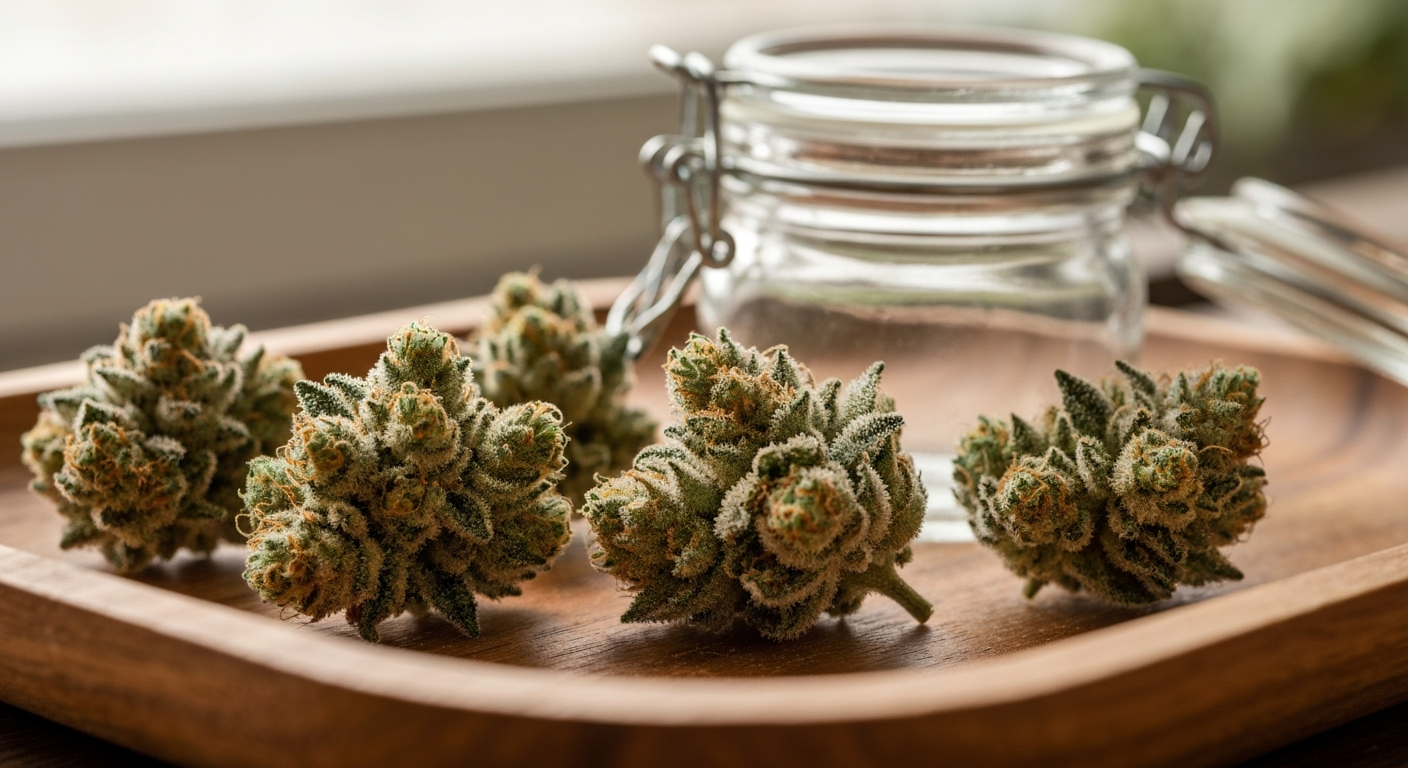

Your weed is sticky because it's packed with trichomes — the tiny, resin-filled glands that produce cannabinoids like THC and CBD, along with the terpenes responsible for aroma and flavor. Sticky cannabis is almost always a sign of quality: it means the plant was grown well, harvested at the right time, and cured properly. If your fingers feel coated in a tacky residue after handling your flower, that's the plant's natural resin doing exactly what it's supposed to do.
The stickiness you feel comes from trichomes — microscopic, mushroom-shaped glands covering the surface of cannabis flowers that produce and store resin.
Trichomes serve as the plant's chemical factory. Inside these structures, cannabis synthesizes cannabinoids (THC, CBD, CBG, and dozens of others) along with terpenes, the aromatic compounds that give each strain its distinctive smell and taste. The resin itself is a thick, oily substance that becomes tacky when exposed to air.
When you touch high-quality cannabis, the trichome heads rupture slightly, transferring sticky resin to your skin. The more trichomes present, the stickier the bud feels. Under magnification, well-grown cannabis looks like it's been dusted with tiny crystals — that's the trichome coverage you're feeling.
"Trichomes are the resin glands of the cannabis plant, and they contain the cannabinoids, terpenes, and flavonoids that make each strain unique." — Leafly
The plant produces trichomes as a defense mechanism against UV radiation, pests, and environmental stress. For consumers, though, abundant trichomes translate directly to potency and effect.
Sticky weed is generally excellent — it indicates high trichome density, proper moisture content, and quality cultivation, which typically means a more potent and flavorful experience.
However, stickiness exists on a spectrum, and the type of sticky matters:
| Sticky Type | What It Means | Quality Indicator |
|---|---|---|
| Tacky, resinous | High trichome content, good cure | Excellent |
| Slightly moist | Fresh harvest, needs more curing | Good (cure it more) |
| Wet and spongy | Under-dried, possible mold risk | Poor |
| Dry but tacky | Well-preserved trichomes | Very good |
| Bone dry, dusty | Over-dried, trichomes degraded | Below average |
The ideal cannabis feels slightly tacky and springs back when gently squeezed. It shouldn't crumble instantly like dry herbs, nor should it compress into a wet ball. Think of the texture as similar to a lightly sticky note — enough tack to coat your fingers, but not so wet that it won't grind properly.
Also Read: Why Is My Salt Lamp Melting? 7 Causes & Easy Fixes
In most cases, yes — stickier cannabis correlates with higher cannabinoid and terpene content, which translates to more pronounced effects.
The relationship isn't perfectly linear, but it's reliable enough that experienced consumers use stickiness as a quick quality check. Here's why the correlation holds:
Trichomes are where THC lives. More trichomes mean more surface area producing cannabinoids. When a flower is densely coated with intact, glistening trichomes, it's physically carrying more of the compounds responsible for psychoactive and therapeutic effects.
That said, two important caveats apply:
Genetics matter more than stickiness alone. A well-grown CBD-dominant strain might be incredibly sticky but produce minimal psychoactive effects because THC isn't its primary cannabinoid.
Moisture can mimic quality. Under-cured cannabis can feel sticky from excess moisture rather than resin. This type of stickiness won't smoke well and might harbor mold.
The best test combines stickiness with visual inspection. Quality cannabis shows visible trichomes (a frosty, crystal-like appearance), smells strongly of its terpene profile, and feels tacky without being wet.
Genetics play the biggest role in trichome production — some cannabis varieties are simply bred to produce more resin than others.
Strain differences in stickiness come down to selective breeding over decades. Cultivators have intentionally crossed plants with high trichome density to create modern strains that maximize resin production. Varieties like Gorilla Glue, White Widow, and anything with "Cookies" in the name became famous partly because of their exceptional stickiness.
Beyond genetics, growing conditions significantly impact final trichome density:
"Environmental factors such as light, temperature, and nutrient availability can influence the density and potency of trichomes on cannabis flowers." — Cannabis Business Times
Yes — excessively sticky cannabis that feels wet, spongy, or doesn't break apart easily was likely under-dried or improperly cured, which creates problems for storage, smoking, and even safety.
Proper cannabis moisture content sits between 55% and 62% relative humidity for long-term storage. When flower significantly exceeds this range, several issues emerge:
If your cannabis feels excessively wet or won't break apart cleanly, it needs additional curing time. Place it in a glass jar with the lid cracked open for a few hours daily until it reaches the proper moisture level — tacky but not wet, pliable but not spongy.
Quality resinous stickiness and problematic moisture-based stickiness look and feel different — the former comes with visible trichomes and strong aroma, while the latter often lacks both.
Use this quick diagnostic:
| Characteristic | Quality Resin | Excess Moisture |
|---|---|---|
| Visual appearance | Frosty, crystalline coating | Dull, no visible crystals |
| Smell | Strong, distinct terpene aroma | Hay, grass, or minimal smell |
| Touch | Tacky, coats fingers with residue | Wet, compresses into a ball |
| Sound when squeezed | Slight crackle of dry material | Silent, squishy |
| Stem snap test | Stems snap cleanly | Stems bend without breaking |
The stem snap test is particularly reliable. When you bend a small stem from a properly cured bud, it should snap with an audible crack. If it bends like a fresh twig, the moisture content is too high.
Proper storage maintains trichome integrity and prevents the sticky resin from drying out, degrading, or becoming too humid — glass jars with humidity control packs in a cool, dark place work best.
Trichomes are fragile. Rough handling, light exposure, temperature swings, and improper humidity all damage these delicate structures and reduce the stickiness you paid for. Follow these storage principles:
Handle your cannabis minimally. Every time you touch it, trichomes transfer from the flower to your hands. Use a small scoop or pour directly from container to grinder when possible.
| ✓Our Pick |
Find quality storage solutions for cannabis on Amazon Great value for money — this product tackles the root cause rather than just masking the symptoms. See on Amazon → |
Your weed is sticky because it's doing exactly what quality cannabis should — producing abundant trichomes packed with cannabinoids and terpenes. The stickier the flower (within reason), the more resinous glands it carries, which generally means better potency, flavor, and overall experience. The exception is excessively wet cannabis that hasn't been properly dried or cured, which feels sticky from moisture rather than resin. Quality sticky buds look frosty under light, smell strongly of their strain profile, and feel tacky without being damp. Store them properly in glass with humidity control, and handle them minimally to preserve what makes them special.
Your cannabis sticks to your fingers because handling it ruptures trichome heads, releasing the resinous oil inside. This oil is thick and tacky at room temperature, designed by the plant to trap pests and protect against environmental damage. The more trichomes present, the more residue transfers to your skin. High-quality cannabis leaves a noticeable coating after handling — this is a positive sign of potency and freshness.
Not necessarily. Properly dried and cured cannabis should still feel tacky from resin, just not wet or spongy from excess moisture. The key difference is whether the stickiness comes from trichome resin (good) or water content (bad). Well-cured sticky weed snaps when stems are bent, grinds without clumping, and smells strongly of terpenes rather than hay or grass.
You can rehydrate over-dried cannabis using humidity packs designed for cannabis storage (Boveda 62% is popular). Place your flower in an airtight glass container with the humidity pack for 24-72 hours. This restores moisture to the plant material, making it feel more pliable and improving the smoking experience. However, this won't restore lost trichomes — if the resin glands have already degraded, no amount of humidity will bring back the original stickiness.
Yes, very sticky cannabis can gum up grinder teeth and create clumpy, uneven results. To work around this, try briefly freezing your cannabis for 10-15 minutes before grinding — this makes trichomes brittle and easier to process. You can also clean your grinder regularly with isopropyl alcohol to remove resin buildup, or invest in a grinder with non-stick ceramic coating.
Dispensary cannabis sometimes loses stickiness due to extended storage, improper packaging, or over-drying during commercial processing. Mass-market products may prioritize shelf stability over optimal moisture content. Additionally, some strains naturally produce fewer trichomes than others. If you consistently receive dry cannabis from a particular dispensary, consider requesting fresher stock or trying a different location.
Reviewed and Updated on June 9, 2026 by George Wright