
Finance
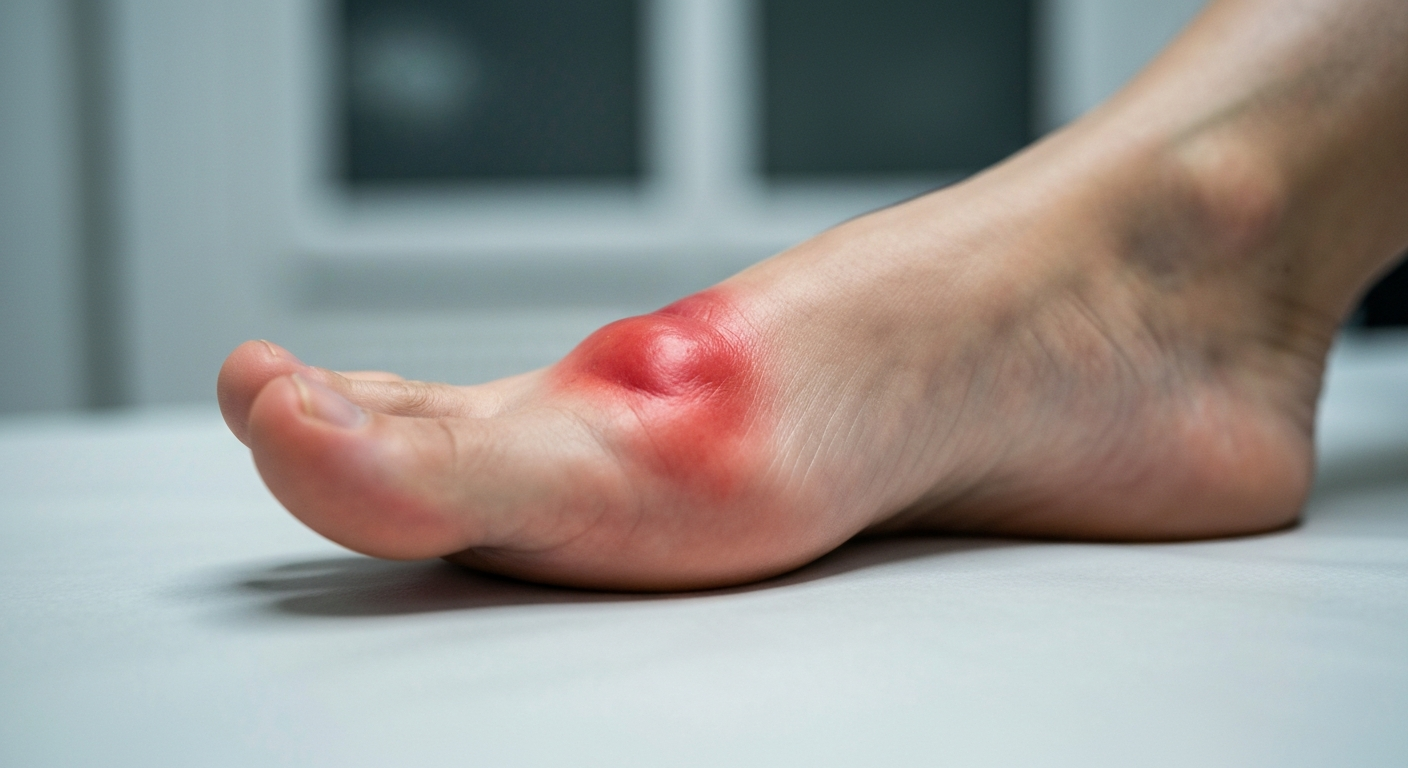

A red toe can be caused by gout, an ingrown toenail, blister or friction burn, skin infection (cellulitis), or an insect bite — gout is the most common cause of sudden, intense redness in a single toe, especially at the base of the big toe.
When a toe turns red, the key questions are: Is it one toe or multiple? Did it come on suddenly or gradually? Is it hot and painful or just discolored? The answers point quickly to the likely cause and whether you need to see a doctor today or can treat it at home.
| ✓Our Pick |
Foot soak relief kit for toe inflammation and redness Highly rated by thousands of buyers — this is one of the most effective solutions for this issue you can try at home. See on Amazon → |
Redness in a toe is typically either inflammation (gout, infection, ingrown nail) or skin damage (friction, insect bite, eczema) — the location, onset speed, and accompanying symptoms tell you which category you're dealing with.
Gout is the most common cause of sudden, intense redness and swelling in a single toe — most often the big toe joint. It's caused by uric acid crystals depositing in the joint, triggering a rapid inflammatory response. A gout attack usually comes on within hours, peaks within 24–36 hours, and can be excruciating. The affected joint is hot, swollen, red, and so sensitive that even a light bedsheet can be unbearable.
Signs it's gout:
- Sudden onset, often at night
- Big toe joint (metatarsophalangeal joint) primarily affected, though other toes can be involved
- Intense pain rated 7–10/10
- Redness, heat, and swelling at the joint
- Attacks lasting 5–10 days without treatment
An ingrown toenail occurs when the edge of the nail grows into the surrounding skin, causing a localized infection and inflammation. The affected corner of the toe turns red, swells, and may develop pus. It's extremely common in the big toe and worsens if ignored.
Cellulitis is a bacterial skin infection that causes spreading redness, warmth, and swelling in the skin and tissues beneath. In the toe, it often enters through a small cut, a crack in dry skin, or from an untreated ingrown toenail. Unlike gout, cellulitis spreads — the red area grows larger over hours or days.
Warning: Cellulitis can spread rapidly and requires antibiotics. If the red area is expanding, you have a fever, or you see red streaking up the foot, go to urgent care immediately.
A blister from new shoes or a minor friction burn produces localized redness at the point of contact. The redness is superficial — there's no joint involvement, and it tends to form on the toe tip or over a bony prominence where the shoe rubs.
Raynaud's causes toes to change color in response to cold or stress — typically going white or blue first, then flushing red when circulation returns. The red phase is accompanied by a burning or tingling sensation. It's not dangerous in most cases but can indicate an underlying autoimmune condition if persistent.
A blow to the toe causes bleeding under the nail, which can give the surrounding skin a red or purple hue. The nail itself may turn red-purple or black as the blood pools beneath it.
An allergic reaction to a shoe material, dye, or topical product can produce diffuse redness over a toe or toes, usually without a single hot joint. There may be itching, blistering, or peeling alongside the redness.
"Gout is one of the most common forms of inflammatory arthritis, affecting more than 8 million Americans. It most commonly attacks the metatarsophalangeal joint of the big toe, causing sudden, severe attacks of pain, redness, and tenderness." — National Institute of Arthritis and Musculoskeletal and Skin Diseases at NIAMS.NIH.gov
Most causes of toe redness — gout, ingrown toenails, friction blisters, and contact reactions — have effective at-home first steps, though infection and rapidly spreading redness require medical care.
For suspected gout:
- Rest and elevate the foot
- Apply ice wrapped in a cloth for 20 minutes on, 20 minutes off
- Take an NSAID (ibuprofen 400–600mg every 6–8 hours) to reduce inflammation
- Avoid alcohol and high-purine foods (organ meats, shellfish, red meat) during the attack
- See a doctor within 48 hours for uric acid blood testing and prescription-strength anti-inflammatory or colchicine if needed
For an ingrown toenail:
- Soak the foot in warm water with Epsom salt for 15–20 minutes, three times daily
- Gently try to lift the nail edge away from the skin with a clean tool and place a small piece of cotton under it
- Apply antibiotic ointment (Neosporin) and cover with a bandage
- If pus is present, swelling is significant, or you have diabetes — see a doctor rather than treating at home
For a friction blister:
- Leave intact if possible — the fluid protects against infection
- Cover with a blister bandage and switch to better-fitting shoes
- If the blister pops, clean the area and apply antibiotic ointment
Also Read: The Fastest Solution Most People Reach for With a Red, Swollen Toe
See a doctor the same day if the redness is spreading (a sign of cellulitis), if you have a fever alongside the toe redness, if the red area extends up the foot, or if you have diabetes — foot infections progress faster in diabetics and can become serious quickly.
Red flags requiring urgent care:
- Redness expanding beyond the toe over hours
- Fever above 100.4°F alongside toe redness
- Red streaks moving up the foot or lower leg
- Pus or fluid draining from the skin (not a blister)
- You have diabetes, peripheral vascular disease, or are immunocompromised
"People with diabetes are at particularly high risk for foot complications including cellulitis and ulcers, and should seek medical evaluation for any sign of foot infection rather than treating at home." — American Diabetes Association at Diabetes.org
A red toe is most likely gout, an ingrown toenail, or friction damage from shoes — all manageable with the right home care. Gout attacks are the most painful and need NSAIDs quickly; ingrown nails need soaking and gentle care; blisters need protection. Spreading redness, fever, or red streaks up the foot require same-day medical care — don't wait on those.
Painless but visible redness and swelling could indicate early gout (which can occasionally be low-grade), contact dermatitis, or mild cellulitis in its earliest stage. Gout without pain is sometimes called "asymptomatic hyperuricemia" and may precede a full attack. Monitor closely — if it worsens or heat develops, see a doctor.
Redness that develops with walking often indicates friction from shoes, minor pressure sores over bony prominences, or early Raynaud's reactive hyperemia (blood flushing back in after brief restriction). Check for redness patterns that match pressure points in your specific footwear, and assess whether the toe also goes pale before turning red (Raynaud's indicator).
While gout most commonly attacks the big toe joint (in roughly 50–60% of first attacks), it can affect any toe joint, the ankle, the knee, the wrist, and the elbow. Gout in the lesser toes (second through fifth) is less common but well-documented and produces the same sudden, intense red-hot swelling pattern.
Signs of infection include pus or cloudy fluid draining from the skin, worsening redness that spreads beyond the original area, increasing warmth, swelling that gets worse despite elevation and ice, and fever. An infected ingrown toenail is the most common cause of toe infection — if you see any of these signs, see a doctor rather than continuing home treatment.
Reviewed and Updated on July 1, 2026 by George Wright