
Technology
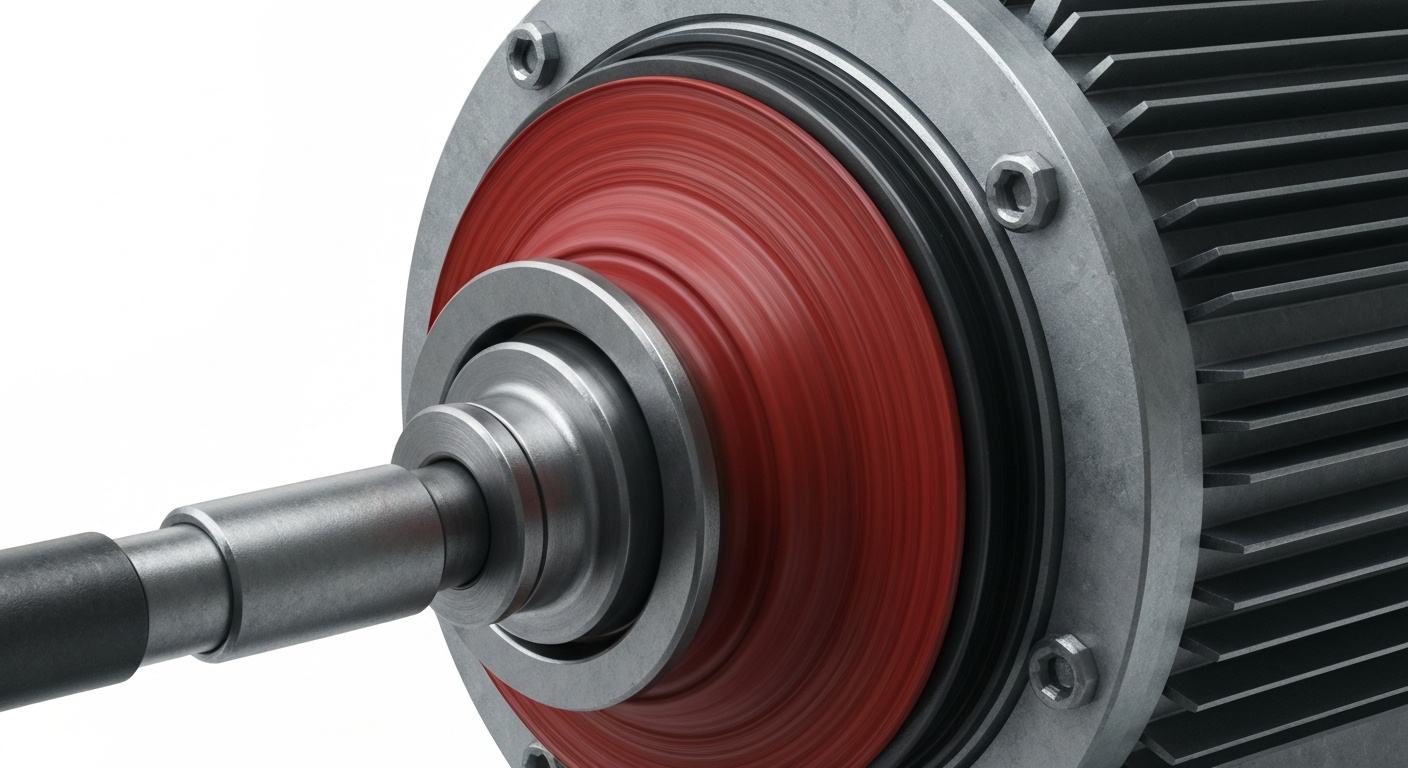

A stepper motor squeals when electrical current and mechanical components fall out of sync — the most common causes are incorrect driver settings (particularly microstepping and current limits), resonance at certain speeds, inadequate lubrication, or loose mechanical connections.
Stepper motors are supposed to hum, not scream. When yours starts making a high-pitched squealing, whining, or screeching noise, something in the system is fighting against itself. The good news is that most stepper motor noise problems are fixable with driver adjustments, mechanical tuning, or minor hardware changes. This guide covers the full spectrum of causes — from 3D printer steppers to CNC machines to DIY projects — and walks you through the diagnostic process step by step.
Stepper motor squealing comes down to two categories: electrical issues (driver settings, current mismatch, resonance) and mechanical issues (friction, loose parts, coupling problems).
Understanding which category your noise falls into is the first step toward fixing it. Electrical causes produce a consistent, pitch-varying whine that changes with motor speed. Mechanical causes create grinding, screeching, or intermittent squeals that often worsen under load.
The most frequent cause of stepper motor squealing is incorrect current settings on the driver. When the current is too high, the motor runs hot and produces a loud, high-pitched whine from electromagnetic vibration. When it's too low, the motor struggles to hold position and can skip steps, creating irregular squealing and clicking sounds.
Every stepper motor has a rated current — typically between 0.5A and 2.5A for common NEMA 17 motors used in 3D printers and small CNC machines. Your driver needs to supply approximately 80-90% of this rated current for optimal performance. Too much headroom either direction causes problems.
To check and adjust your current:
For example, with a common A4988 driver, the formula is: Motor Current = Vref × 2.5. So a 1.5A motor needs a Vref of approximately 0.6V.
Microstepping has a dramatic effect on motor noise. Full-step and half-step modes are inherently louder because the motor makes larger, more abrupt movements between positions. Higher microstepping divisions (1/16, 1/32, 1/256) smooth out these transitions and significantly reduce audible noise.
| Microstepping Mode | Steps per Revolution | Noise Level | Torque | Best For |
|---|---|---|---|---|
| Full step (1/1) | 200 | Loudest | 100% | High-torque, low-speed |
| Half step (1/2) | 400 | Very loud | ~70% | Legacy systems |
| 1/8 step | 1600 | Moderate | ~50% | General purpose |
| 1/16 step | 3200 | Quiet | ~40% | 3D printing |
| 1/32 step | 6400 | Very quiet | ~30% | Precision work |
| 1/256 step | 51200 | Near silent | ~20% | Ultra-smooth motion |
Modern drivers like the TMC2209 and TMC5160 offer interpolation that takes lower microstepping inputs and smooths them to 256 microsteps internally, giving you the noise reduction without the processing overhead.
Also Read: Why Is My House So Dry? 7 Causes & How to Fix It
Resonance occurs when your motor's stepping frequency matches the natural vibration frequency of your mechanical system, causing the entire assembly to amplify the vibration into a loud whine or squeal.
Every stepper motor and the machine it's attached to has resonant frequencies — specific RPM ranges where vibration gets dramatically worse. You'll notice the squealing appears or disappears at certain speeds, often somewhere in the 50-200 RPM range for typical setups.
"Mid-band resonance is a common problem in open-loop stepper systems, typically occurring between 100 and 300 steps per second depending on the motor and load characteristics." — Oriental Motor Technical Documentation
Run your motor through its full speed range while listening carefully. Resonance shows up as a sudden spike in noise at specific speeds, then decreases as you speed up or slow down past that point. If your motor screams at 80 RPM but goes quiet at 60 or 100 RPM, resonance is your culprit.
Common fixes for resonance include:
Modern stepper drivers include anti-resonance features specifically designed to combat this problem. TMC drivers offer StealthChop mode, which uses voltage chopping instead of current chopping at low velocities, dramatically reducing noise in the resonance-prone speed range.
Sensorless stall detection also helps by allowing the driver to detect and compensate for resonance-induced load variations before they become audible problems.
| ✓Our Pick |
Stepper motor driver upgrade kit for quieter operation No special skills required — straightforward to use and most orders ship quickly. See on Amazon → |
Mechanical squealing comes from friction, misalignment, loose connections, or worn components — and often sounds different from electrical whine, with more grinding or screeching characteristics.
Even with perfect driver settings, mechanical problems will make your stepper motor noisy. These issues tend to worsen over time as parts wear.
The flexible coupling between your motor shaft and lead screw or belt pulley is a common noise source. Misalignment forces the coupling to flex with every rotation, creating a rhythmic squeal that matches your RPM.
Check for:
Jaw couplings with spider inserts are particularly prone to squealing when the spider wears out. The spider (the star-shaped rubber or plastic piece) should be replaced periodically.
Lead screws and linear rails need proper lubrication to move quietly. Dry or contaminated bearings and nuts create squealing, grinding, and screeching as metal contacts metal.
Appropriate lubricants vary by component:
| Component | Recommended Lubricant | Application Frequency |
|---|---|---|
| Lead screws | PTFE-based grease or dry film | Every 50-100 hours |
| Linear rails | Light machine oil or rail grease | Every 100 hours |
| Ball screws | Lithium grease | Every 200 hours |
| Bearings | Bearing-specific grease | As needed |
Avoid WD-40 for long-term lubrication — it's a solvent that displaces existing lubricant and evaporates quickly.
Vibration from stepper motor operation gradually loosens mounting hardware. A motor that's worked fine for months can suddenly start squealing because a single mounting bolt has backed out enough to allow movement.
Systematically check:
Use thread locker on critical fasteners if loosening recurs. Blue Loctite (removable) is appropriate for most stepper motor applications.
The diagnostic approach varies depending on whether your squealing motor is in a 3D printer, CNC machine, car, appliance, or HVAC system — each has unique common failure points.
3D printer steppers commonly squeal due to driver settings optimized for speed rather than noise, or from cheap drivers that lack modern quiet-mode features. The extruder motor is often the loudest because it operates at highly variable speeds during retractions.
Quick fixes for 3D printer motor noise:
While cars don't use stepper motors for propulsion, the belt-driven accessories produce similar symptoms. A car making a whining noise when accelerating or a squealing noise at startup typically points to the serpentine belt or one of its driven components.
The serpentine belt in a Honda Accord or any vehicle squeals when it slips against a pulley. This happens because the belt is worn, glazed, or contaminated with oil. It also happens when belt tension is incorrect or a pulley bearing is failing.
Common causes of car belt squealing:
The alternator belt squealing specifically often indicates the alternator bearing is failing or the belt tension is inadequate for the electrical load.
Dryer squealing — whether a Maytag, Whirlpool, or other brand — comes from drum support components rather than motors in most cases. The drum glides, idler pulley, or drum bearing wear out over time and create metal-on-metal or plastic-on-metal squealing.
| Dryer Component | Noise Type | Location of Sound |
|---|---|---|
| Drum glides | Screeching, scraping | Front of drum |
| Idler pulley | Squealing, squeaking | Near motor |
| Drum bearing | Grinding, squealing | Rear of drum |
| Drive belt | Squeaking | Around drum |
| Motor bearings | High-pitched whine | Base of dryer |
If your dryer squealing stops when you press on the drum, the glides are almost certainly worn. If it changes with motor speed, the motor bearings or idler pulley are suspect.
AC squealing typically originates from the blower motor or fan belt (in older systems). A hissing noise from AC points to refrigerant leaks, which is a different problem requiring professional repair.
Modern AC units use direct-drive blower motors rather than belts. When these motors squeal, the bearings are failing. Older belt-driven systems squeal when the belt slips or the motor pulley is misaligned.
Countertop nugget ice makers like the GE Opal or Frigidaire units contain small motors for the auger and compressor. Squealing usually indicates the auger is binding against ice buildup or the compressor is struggling.
To fix nugget ice maker squealing:
Also Read: Why Is My Nespresso Blinking Red? 7 Causes & Quick Fixes
Systematic diagnosis saves time — work through electrical causes first, then mechanical, documenting what changes the noise at each step.
Follow this sequence to identify your stepper motor's noise source:
Disconnect the motor from its load — Run the motor disconnected. If squealing stops, the problem is mechanical. If it continues, it's electrical.
Check driver current settings — Measure Vref and verify against your motor's rated current. Adjust if needed.
Test microstepping modes — Temporarily increase microstepping and observe noise change.
Sweep through speeds — Run the motor from minimum to maximum RPM, noting any speeds where noise spikes (resonance).
Inspect mechanical connections — With power off, manually rotate the motor shaft feeling for roughness, binding, or looseness.
Check coupling alignment — Disconnect the coupling and verify both shafts are parallel and concentric.
Lubricate moving parts — Apply appropriate lubricant to lead screws, rails, and bearings.
Tighten all hardware — Systematically check every fastener in the motion system.
Test under load — Reconnect everything and run normal operations, noting if noise appears only under specific conditions.
Stepper motor squealing stems from either electrical causes (wrong current settings, insufficient microstepping, resonance) or mechanical causes (friction, misalignment, loose parts). Start diagnosis by disconnecting the load to determine which category applies. For electrical noise, adjust driver current to 80-90% of motor rating and increase microstepping. For mechanical noise, check coupling alignment, lubricate moving components, and tighten all fasteners. Similar squealing in cars points to serpentine belt issues, in dryers to drum support wear, and in AC units to blower motor bearings.
A car squealing while driving usually indicates belt slip, brake pad wear indicators contacting the rotors, or a wheel bearing beginning to fail. Belt squealing is loudest at startup or during acceleration when accessories demand more power. Brake squealing happens during braking and indicates the pads need replacement. Wheel bearing noise is constant and changes pitch with vehicle speed, often accompanied by a grinding component.
New serpentine belts squeal when installed with incorrect tension, when the tensioner itself is worn, or when pulleys are misaligned. Belt dressing (spray) provides temporary relief but masks the underlying problem. Check that the tensioner moves freely and provides adequate pressure, verify all pulleys are in the same plane, and ensure the belt is routed correctly according to the routing diagram under your hood.
Whining that increases with engine RPM typically points to the power steering pump, alternator, or transmission. Low power steering fluid creates a distinctive whine when turning. Alternator bearing wear produces a whine proportional to engine speed. Transmission whine that appears only when moving may indicate low fluid or internal wear. Check all fluid levels first, then isolate the noise source using a mechanic's stethoscope or by removing individual drive belts temporarily.
WD-40 is not appropriate for stepper motor lubrication. It's a penetrating solvent designed to displace moisture and loosen stuck parts, not a long-term lubricant. Using WD-40 on lead screws or bearings provides temporary quiet but dissolves existing grease and evaporates within hours to days, leaving parts drier than before. Use PTFE-based lubricant, light machine oil, or component-specific grease instead.
Excessive heat combined with squealing indicates the driver current is set too high
Reviewed and Updated on May 24, 2026 by George Wright