Finance

A numb pinky toe is most commonly caused by nerve compression from tight shoes, Morton's neuroma, or a compressed spinal nerve — all of which are treatable, though the right fix depends on where the pressure is coming from.
Numbness in the pinky toe (fifth digit) is a symptom, not a diagnosis. It almost always traces back to something pressing on a nerve somewhere along its path from the lower back to the tip of the toe. Pinpointing where that pressure originates determines whether the fix is as simple as switching shoes or as involved as seeing a spine specialist.
Pinky toe numbness follows the course of the sural nerve and the deep peroneal nerve — both of which run from the lower back down through the leg to the outer toes. Compression anywhere along that path can cause numbness at the end.
The most common cause. Shoes that compress the outer forefoot cut off blood flow and compress the sural nerve as it runs along the outside of the foot. The numbness typically resolves within minutes of removing the shoes. If it returns every time you wear the same shoes, the fix is simply different footwear.
The common peroneal nerve wraps around the outside of the knee and branches into the foot. Sitting cross-legged for long periods, crossing your legs at the knee, or wearing a tight cast can compress this nerve and cause temporary numbness in the outer toes. Positional — if numbness goes away when you change position, this is the most likely cause.
Morton's neuroma is a thickening of tissue around a nerve in the forefoot (usually between the third and fourth toes, but can affect the fourth and fifth). It causes numbness and a burning or electric-shock sensation in the affected toes, often worse with narrow shoes and better when barefoot or in wide shoes.
The nerves that supply the outer toes originate at the L5 and S1 spinal levels. A herniated disc, bone spur, or nerve compression at these levels causes numbness, tingling, or weakness that radiates down through the leg and into the outer toes. If the numbness extends up the calf or is accompanied by lower back pain, this is a serious possibility.
Chronic peripheral neuropathy — often caused by diabetes, vitamin B12 deficiency, alcohol overuse, or certain medications — damages the small nerves that supply the toes. The numbness is typically bilateral (both feet), worse at night, and accompanied by a burning or pins-and-needles sensation.
Conditions that reduce blood flow to the feet — peripheral artery disease, Raynaud's phenomenon, or simply sitting still for too long — can produce temporary numbness in the toes. If the toes also turn white or blue in cold temperatures, or if the numbness is persistent at rest, blood flow should be evaluated.
"Peripheral neuropathy, a result of damage to the nerves located outside of the brain and spinal cord (peripheral nerves), often causes weakness, numbness, and pain, usually in the hands and feet." — Mayo Clinic at MayoClinic.org
The fix matches the cause — start with shoes and position, then investigate nerve and circulatory causes if those don't resolve it within a few weeks.
If it's your shoes: Switch to wide toe box shoes with adequate depth. The numbness should resolve within hours of consistent wear in properly fitted footwear. If it takes longer than a week of wearing correct shoes, a nerve issue is more likely.
If it's positional: Change sitting habits. Stop crossing your legs at the knee. Avoid sitting cross-legged for long sessions. Set a timer to stand and walk for two minutes every 45 minutes if you work at a desk.
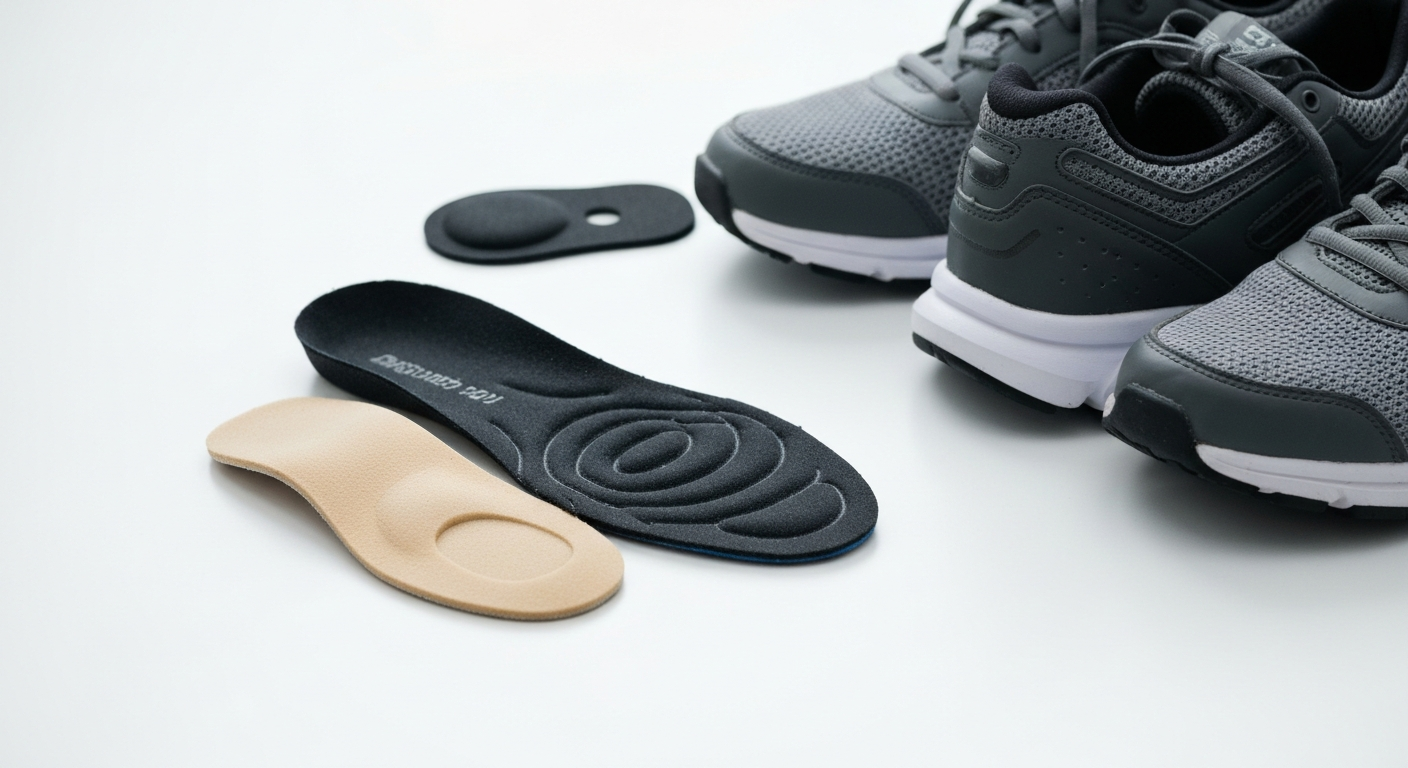
If it may be Morton's neuroma: Try metatarsal pads — cushioned insoles with a raised pad placed just behind the ball of the foot. These spread the metatarsal bones apart and relieve pressure on the nerve. A podiatrist can confirm with a physical exam (a Mulder's click sign) and, if needed, a corticosteroid injection.
If it's lower back related: The numbness won't go away by changing shoes. See a primary care doctor or orthopedist for evaluation. MRI of the lumbar spine will identify disc herniation or nerve compression at L5-S1.
If it's peripheral neuropathy: Blood sugar control (for diabetics), B12 supplementation (if deficient), and neurological evaluation are the relevant paths. A primary care physician can order an HbA1c, complete metabolic panel, and B12 level with a single blood draw.
| ✓Our Pick |
Orthotic insoles and metatarsal pads for foot numbness relief Highly rated by thousands of buyers — this is one of the most effective solutions for this issue you can try at home. See on Amazon → |
Also Read: The Quick Relief Most People Reach for First with Foot and Toe Numbness
See a doctor promptly if pinky toe numbness is persistent (doesn't resolve when you change shoes or position), accompanied by lower back or leg pain, affecting both feet, or getting progressively worse over weeks.
Red flags that need medical evaluation:
"Patients with new-onset lower extremity numbness — especially when accompanied by back pain or radiating leg symptoms — should be evaluated to rule out lumbar disc herniation, which can compress nerve roots supplying the outer toes." — American Academy of Orthopaedic Surgeons at OrthoInfo.aaos.org
A numb pinky toe most often traces back to tight shoes, a compressed peroneal nerve, or Morton's neuroma — all fixable with footwear changes, positional adjustments, or metatarsal padding. If numbness doesn't resolve with those interventions within two weeks, or if it's accompanied by back pain or affects both feet, see a doctor to rule out spinal nerve compression or peripheral neuropathy. Don't ignore persistent or bilateral numbness — it often signals something systemic worth catching early.
Yes. Diabetic peripheral neuropathy is one of the most common causes of toe numbness, typically affecting both feet and progressing slowly from the tips of the toes upward. The numbness is often worse at night and accompanied by a burning or tingling sensation. Blood sugar control is the primary treatment — better glucose management can prevent further nerve damage.
Numbness without pain usually indicates early-stage nerve compression or a positional nerve issue rather than significant nerve damage. If it's isolated to the pinky toe, starts only in certain shoes, or resolves when you change position, the cause is likely mechanical. Painless but persistent bilateral numbness warrants a blood test to check for diabetes and B12 deficiency.
Chronic, long-term compression of a nerve can cause lasting damage, but most cases from footwear pressure are reversible once the source of compression is removed. Morton's neuroma — which is a thickening of nerve tissue — does represent a structural change that may require treatment beyond switching shoes, including corticosteroid injection or, in some cases, surgery.
If caused by tight shoes or crossing your legs, numbness typically resolves within 15–30 minutes of removing the pressure. If it takes hours or days to resolve, or if it recurs regularly in the same conditions, you're dealing with a nerve issue that needs assessment rather than just rest.
Reviewed and Updated on July 1, 2026 by George Wright