
Cooking
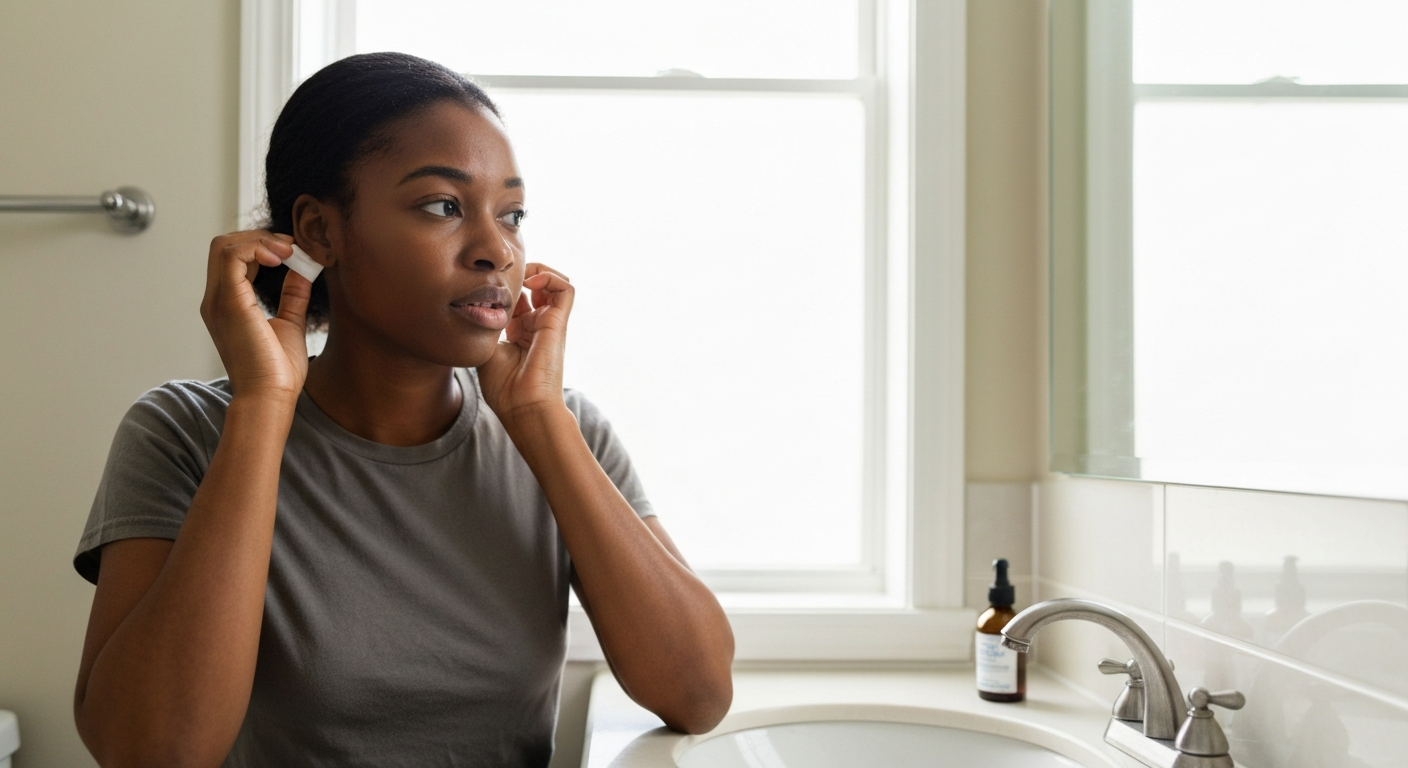

Your piercing is bleeding because of physical trauma, infection, irritation from jewelry, or the tissue hasn't fully healed — and sometimes piercings bleed even years later when snagged, bumped, or exposed to low-quality metals.
Seeing blood around your ear hole, belly button piercing, or nose ring can be alarming, but it's usually not a sign of something serious. Piercings create a wound channel through your skin, and that channel remains more delicate than surrounding tissue even after it looks healed on the outside. Understanding why your piercing is bleeding helps you know whether you need aftercare adjustments, a jewelry swap, or a trip to a professional.
When you get a piercing, a needle creates a tunnel of damaged tissue called a fistula, and this tissue takes months to years to fully mature and stabilize.
Fresh piercings bleed because you've literally punctured through layers of skin and, depending on the location, cartilage. Blood vessels in the area are severed during the piercing process. During the initial healing phase, your body works to form scar tissue that lines this tunnel and creates a stable channel for your jewelry.
The timeline matters enormously. Earlobe piercings typically take 6 to 8 weeks to heal initially, but the fistula continues strengthening for up to a year. Cartilage piercings (upper ear, nose) need 4 to 12 months. Belly button piercings are notoriously slow healers, often requiring 9 to 12 months before they're truly stable.
Even after this initial healing window, the tissue inside your piercing channel is never as robust as regular skin. It's essentially scar tissue, which has fewer blood vessels but is also thinner and more prone to tearing.
Bleeding can happen at any stage of your piercing's life — from day one to years later — and the cause usually falls into one of these categories.
Yes, physical trauma is the most common reason for piercing bleeding. Snagging your earring on a hairbrush, catching your nose ring on a towel, rolling onto your belly button piercing while sleeping — these small impacts tear the delicate tissue inside the fistula. Even healed piercings can bleed if yanked hard enough.
Absolutely. When bacteria enter the piercing site, your immune system responds with inflammation. Infected piercings often ooze a combination of blood, pus (white, yellow, or green discharge), and clear lymph fluid. Other signs include redness spreading beyond the immediate piercing area, warmth, swelling, and pain that's getting worse rather than better.
"Signs of infection include increasing redness around the piercing, severe swelling, yellow or green discharge, and fever." — American Academy of Dermatology
Poor-quality jewelry or the wrong jewelry type frequently causes bleeding. Nickel and other cheap metals trigger allergic reactions that inflame the tissue and make it bleed. Jewelry that's too tight creates pressure sores. Jewelry that's too loose moves excessively and irritates the channel. Hoops in fresh piercings rotate and prevent healing.
Your ear piercing bleeding after months or years typically means something has physically disturbed it. Common culprits include changing earrings after not wearing them for a while (the hole partially closes), sleeping on that side repeatedly, or new jewelry that doesn't match the original gauge. The fistula tissue, even when mature, tears relatively easily compared to regular skin.
Also Read: Why Is My Ring Finger Turning Black? 8 Causes & Fixes
Harsh aftercare products damage healing tissue. Alcohol, hydrogen peroxide, and strong antibacterial soaps strip away the cells trying to heal your piercing and cause chemical burns that bleed. Overcleaning — even with appropriate saline — can also keep the tissue irritated.
Hormonal fluctuations during menstruation, pregnancy, or hormonal therapy can temporarily increase blood flow to skin tissue and make piercings more prone to bleeding. You might notice your nose piercing bleeds more easily around your period, for instance.
These raised tissue formations around piercings contain extra blood vessels. Keloids and hypertrophic scars bleed when bumped or irritated. They're more common in cartilage piercings and among people with a genetic tendency toward keloid formation.
Piercing rejection happens when your body treats the jewelry as a foreign object and pushes it toward the surface. As the jewelry migrates, it tears through tissue and causes bleeding. Signs include the jewelry sitting noticeably closer to the surface than when first pierced, and the skin between the entry and exit holes looking thinner or discolored.
In dry climates or during winter, the skin around piercings can become dry and crack. These tiny fissures bleed, especially around ear piercings where the skin is already thin.
Different piercing sites have unique healing profiles and bleeding tendencies based on their anatomy and exposure to daily wear.
| Location | Typical Healing Time | Common Bleeding Causes | When to Worry |
|---|---|---|---|
| Earlobe | 6–8 weeks | Catching on brushes, pillows, phone calls | Bleeding with pus, fever, spreading redness |
| Ear cartilage | 4–12 months | Sleeping on it, headphones, hats | Severe swelling, cartilage collapse signs |
| Nose (nostril) | 4–6 months | Blowing nose, towels, glasses | Persistent bleeding, difficulty breathing |
| Nose (septum) | 6–8 weeks | Touching, colds, allergies | Foul odor, tissue necrosis |
| Belly button | 9–12 months | Waistbands, bending, sweat | Migration, hot/red skin, discharge |
| Lip/tongue | 4–8 weeks | Eating, talking, biting | Excessive swelling, difficulty swallowing |
Nose ring bleeding is particularly common because the nostril interior is a moist environment that gets disturbed every time you blow your nose or have allergy symptoms. Earring hole bleeding often traces back to jewelry changes or sleeping positions.
Also Read: Why Is My Ring Turning My Finger Black? 7 Causes
Most piercing bleeding stops on its own with gentle pressure and proper aftercare, but knowing the right technique prevents further damage.
First, wash your hands thoroughly. Apply gentle pressure with a clean gauze pad or paper towel for 5 to 10 minutes. Don't keep lifting the gauze to check — continuous pressure helps clotting.
Once bleeding stops, clean the area with sterile saline solution (0.9% sodium chloride). You can make this at home by dissolving 1/4 teaspoon of non-iodized sea salt in 8 ounces of warm distilled water. Spray or soak the piercing for 5 minutes, then let it air dry.
Avoid these common mistakes:
- Rotating or spinning the jewelry (this tears healing tissue)
- Using cotton balls or Q-tips (fibers get stuck in the piercing)
- Applying antibiotic ointment without professional guidance (creates moisture that breeds bacteria)
- Removing the jewelry entirely (the hole can close and trap infection)
"For new piercings, we recommend leaving the piercing jewelry in, even if there's minor bleeding or irritation, to prevent the hole from closing and potentially trapping bacteria inside." — Association of Professional Piercers
Certain symptoms alongside bleeding indicate infection or complications that require professional evaluation.
See a doctor or visit urgent care if you experience:
- Fever above 100.4°F (38°C)
- Pus that's green, brown, or has a foul smell
- Red streaks extending from the piercing site
- Bleeding that won't stop after 20 minutes of pressure
- Significant swelling that affects breathing (nose/lip piercings) or hearing (ear piercings)
- The jewelry embedding into the skin
For ear cartilage piercings specifically, watch for signs of perichondritis — a serious cartilage infection that can cause permanent ear deformity. Symptoms include the entire outer ear becoming red, swollen, and extremely painful.
Return to your piercer if you notice early signs of rejection, suspect your jewelry is the wrong material, or need help with a jewelry change. Professional piercers can assess whether the issue is minor irritation or something requiring medical care.
Once you've addressed the immediate bleeding, these habits protect your piercing long-term.
Choose implant-grade materials for your jewelry. Titanium (ASTM F136), implant-grade steel (ASTM F138), solid 14k or 18k gold, and niobium are the safest options. Avoid "surgical steel" (a meaningless marketing term), plated jewelry, and anything containing nickel.
Sleep position matters more than people realize. Use a travel pillow with a hole in the center to keep pressure off ear piercings. For belly button piercings, sleeping on your back is ideal during healing.
Also Read: Why Is My Finger Peeling? 9 Causes & What to Do
Be mindful during activities. Remove headphones gently. Hold your phone to the opposite ear. Tie hair back when styling. Use a saline spray before and after swimming to flush out chlorine or bacteria.
For nose piercings that bleed when you're congested, use a saline nasal spray to keep the inside of your nostril moist and reduce the friction of tissue rubbing against your jewelry.
Your piercing is bleeding due to physical trauma, infection, jewelry irritation, or immature healing tissue — and even old piercings can bleed when disturbed because the fistula tissue is inherently more fragile than regular skin. Stop bleeding with gentle pressure and saline cleaning, upgrade to implant-grade jewelry if metals are the issue, and see a doctor if you develop fever, spreading redness, or foul-smelling discharge.
When you don't wear earrings for an extended period, the piercing hole partially closes as scar tissue contracts. Reinserting jewelry essentially re-pierces through this tighter tissue, causing bleeding. Use a lubricant like saline solution when reinserting earrings, and try a thinner gauge initially to ease the jewelry through.
Belly button piercings sit in a high-friction zone. Tight waistbands, bending movements, and sweat create ongoing stress on the tissue. Even a fully healed navel piercing can bleed if the jewelry catches on clothing or if you've recently gained or lost weight, which changes how the jewelry sits. Switching to a curved barbell rather than a ring often reduces irritation.
Increased mucus production, frequent nose blowing, and tissue inflammation during colds all irritate your nose piercing. The inside of your nostril swells, putting pressure on the jewelry, while the constant wiping creates friction. Use saline nasal spray to keep the area moist, blow gently, and dab rather than rub when cleaning your nose.
Minor bleeding when changing earrings is common, especially if the previous earrings had a different gauge or if you haven't changed them in a while. However, if you bleed every time you change earrings, your piercing may not be fully healed, you might have a metal allergy, or you could be accidentally scratching the fistula walls. Try implant-grade titanium with smooth finishes to minimize trauma.
Avoid applying makeup, sunscreen, or skincare products directly on or around a bleeding piercing. These products can introduce bacteria into the wound and contain chemicals that irritate healing tissue. Once bleeding stops and you've cleaned the area, keep products at least half an inch away from the piercing site until it's fully healed.
Reviewed and Updated on June 9, 2026 by George Wright