
Technology
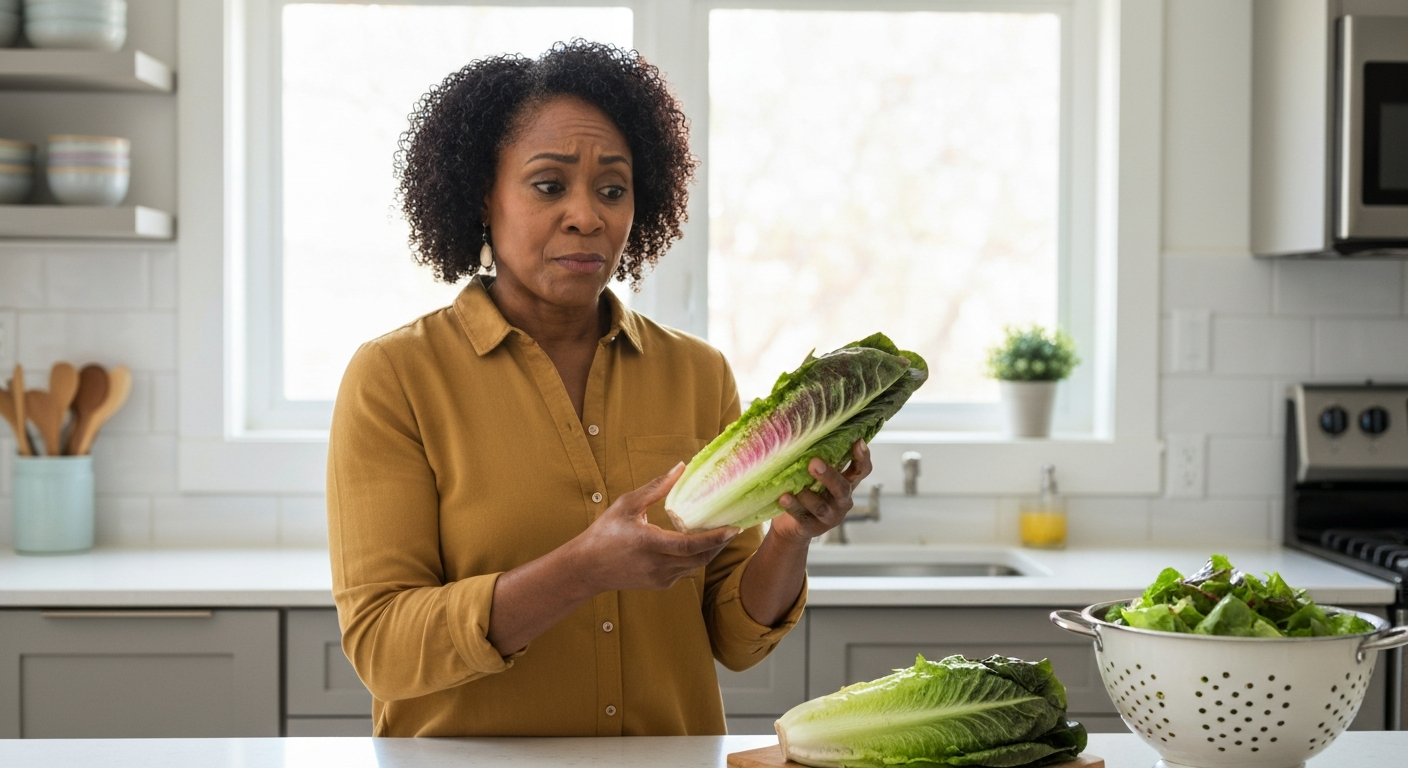

Red or reddish-pink coloring on your lettuce is almost always harmless — it's typically caused by anthocyanin production triggered by cold temperatures, light exposure, or the natural genetics of certain varieties, not spoilage or contamination.
The moment you spot unexpected red streaks, edges, or spots on your lettuce, it's natural to wonder if something's wrong. The good news: in most cases, that reddish tint is a sign your lettuce is responding to its environment rather than going bad. Understanding the difference between natural red pigmentation and actual spoilage will save you from tossing perfectly good greens — and help you know when lettuce truly belongs in the compost bin.
Red pigmentation on lettuce comes from anthocyanins — the same plant compounds that make blueberries blue and red cabbage purple — and their production increases in response to specific environmental conditions.
Anthocyanins serve as a natural sunscreen and stress response for plants. When lettuce experiences certain triggers, it ramps up production of these protective pigments, resulting in visible red, pink, or reddish-brown coloring. This is a biological response, not a defect.
The primary triggers for anthocyanin production include:
"Anthocyanins are water-soluble pigments that accumulate in plant tissues in response to environmental stressors, particularly cold temperatures and high light intensity." — USDA Agricultural Research Service
Red coloring from anthocyanins is completely safe to eat — these compounds are actually antioxidants that may provide health benefits.
The red pigmentation you're seeing doesn't indicate bacterial growth, chemical contamination, or decay. Anthocyanins are the same healthful compounds found in red wine, berries, and purple vegetables. Research suggests these plant pigments have anti-inflammatory and antioxidant properties.
Here's a quick reference to distinguish safe red coloring from spoilage:
| Characteristic | Safe Anthocyanin Coloring | Actual Spoilage |
|---|---|---|
| Color appearance | Pink, red, reddish-brown on edges/ribs | Brown or black slimy patches |
| Texture | Crisp, firm leaves | Mushy, wilted, slimy |
| Smell | Fresh, earthy, no odor | Sour, rotten, off-putting |
| Location | Often on outer leaves, edges, ribs | Usually starts at base/core |
| Progression | Stable once harvested | Gets worse over days |
If your lettuce passes the texture and smell test, the red coloring is just cosmetic.
Yes — refrigeration is one of the most common reasons home cooks notice red coloring on lettuce that looked green at the store.
When lettuce experiences temperatures below 50°F (10°C), anthocyanin production accelerates. Your refrigerator typically runs between 35–38°F (2–3°C), cold enough to trigger this response. Lettuce stored near the back of the fridge or directly against cooling elements experiences even more intense cold stress.
This phenomenon, sometimes called "cold reddening," affects romaine and butterhead varieties most noticeably. The red coloring often appears on the midribs (the central white parts of leaves) and leaf edges first.
Also Read: Why Is My Heat Coming Out Cold? 8 Causes & Fixes
To minimize cold-induced reddening, store lettuce in the crisper drawer (which is slightly warmer than main shelves) and avoid placing it directly against the refrigerator's back wall.
High-intensity light — whether natural sunlight or artificial grow lights — triggers anthocyanin production as a protective response.
Plants produce anthocyanins partly to shield their cells from UV damage and intense light energy. Lettuce growing in direct sunlight or under strong grow lights often develops red or bronze coloring on exposed surfaces. This is particularly common in:
If you're growing lettuce at home and notice reddening, reducing light intensity or providing afternoon shade can slow the pigment development — though this is purely a cosmetic preference, not a safety concern.
Many lettuce varieties are specifically bred to produce red pigmentation, and these genetics can sometimes show up unexpectedly in green varieties too.
If you purchased a head of lettuce labeled as green but notice red coloring, the seeds may have had genetic variation, or growing conditions intensified the natural anthocyanin potential that exists in most lettuce.
Intentionally red lettuce varieties include:
Green varieties like Iceberg, Green Leaf, and Butterhead can still produce anthocyanins under stress, just in smaller quantities that show as pink or light red streaks rather than deep burgundy coloring.
The transition from climate-controlled commercial storage to your home refrigerator — plus exposure to light during transport — can trigger anthocyanin production after purchase.
Commercial lettuce operations maintain precise temperature and humidity control. Once lettuce leaves that environment (sitting at room temperature during your commute, experiencing your refrigerator's specific conditions), the environmental shift can stimulate pigment production.
Common scenarios that cause post-purchase reddening:
This reddening develops within one to three days of purchase and doesn't indicate the lettuce was mishandled by the store.
Also Read: Why Is My Bamboo Dying? 8 Causes & How to Save It
True spoilage involves changes to texture, smell, and moisture — not just color shifts.
Red anthocyanin coloring is stable and doesn't progress into rot. Actual decomposition follows a predictable pattern:
The key test: pick up a suspect leaf. If it's slimy or smells off, discard it. If it's still crisp and smells fresh despite the red color, it's perfectly safe.
"Visual changes like pink or red discoloration in lettuce do not indicate pathogenic contamination and are generally caused by physiological stress responses in the plant tissue." — University of California, Davis Postharvest Technology Center
Cut edges on lettuce oxidize when exposed to air, producing pink, red, or rust-colored discoloration called "russet spotting" or "pink rib."
This is different from whole-leaf anthocyanin reddening but equally harmless. When you cut lettuce (or when it's cut for bagged salad mixes), the wounded cells release enzymes that react with oxygen. This enzymatic browning can appear pink or reddish before eventually turning brown.
Factors that accelerate oxidation on cut lettuce:
Rinse cut lettuce in cold water and store it in an airtight container to slow this process. The discolored edges are safe but may taste slightly bitter.
While red coloring is harmless, you can slow its development with proper storage techniques.
Optimal lettuce storage involves balancing temperature, humidity, and light exposure:
A practical method: wash and dry lettuce thoroughly, wrap in dry paper towels, place in a partially open plastic bag, and store in the crisper drawer. This balances humidity and prevents the extreme cold contact that accelerates reddening.
| ✓Our Pick |
Search refrigerator water filters on Svirson One of the highest-rated products in its category — a reliable fix used by thousands of people. Learn More → |
Red coloring on lettuce is nearly always caused by anthocyanin pigments responding to cold temperatures, light exposure, or natural genetic variation — not spoilage. These compounds are safe antioxidants found in many healthy foods. Judge lettuce freshness by texture and smell, not color alone. Crisp leaves with a fresh scent are safe regardless of pink or red tints, while slimy texture or sour odor means it's time to compost. Store lettuce in the crisper drawer, away from extreme cold and light, to minimize cosmetic reddening.
Pink coloring on lettuce ribs (the white central veins) is called "pink rib" and results from anthocyanin production triggered by cold stress or temperature fluctuations. This commonly happens in refrigerators set below 35°F or when lettuce is stored directly against the refrigerator's back wall. The pink coloring doesn't affect safety or flavor — just avoid the coldest areas of your fridge to prevent it.
No, red coloring from anthocyanins cannot make you sick. These are the same beneficial plant pigments found in blueberries, cherries, and red cabbage. Red-tinged lettuce only poses a health risk if it's also slimy, smells sour, or shows signs of mold — those indicate bacterial growth unrelated to the color.
Leaf edges turn red because they're the most exposed part of the plant — they receive the most light and experience temperature stress first. Anthocyanin production concentrates there as a protective response. This "red edge" effect is especially common in romaine and leaf lettuce varieties after refrigeration.
Not necessarily. Red coloring can develop within 24 hours of harvest if the lettuce experiences cold stress or light exposure. Age-related spoilage presents differently: wilting, browning (not red), sliminess, and off-odors. A red-tinged lettuce with crisp texture is often fresher than a green one that's gone soft.
Store lettuce in the crisper drawer rather than on main shelves, wrap it loosely in paper towels inside a partially open bag, and keep it away from the coldest parts of the refrigerator. Avoid placing it near the back wall or below vents. While you can't completely prevent anthocyanin development, these steps significantly reduce it.
Reviewed and Updated on June 9, 2026 by George Wright