
DIY
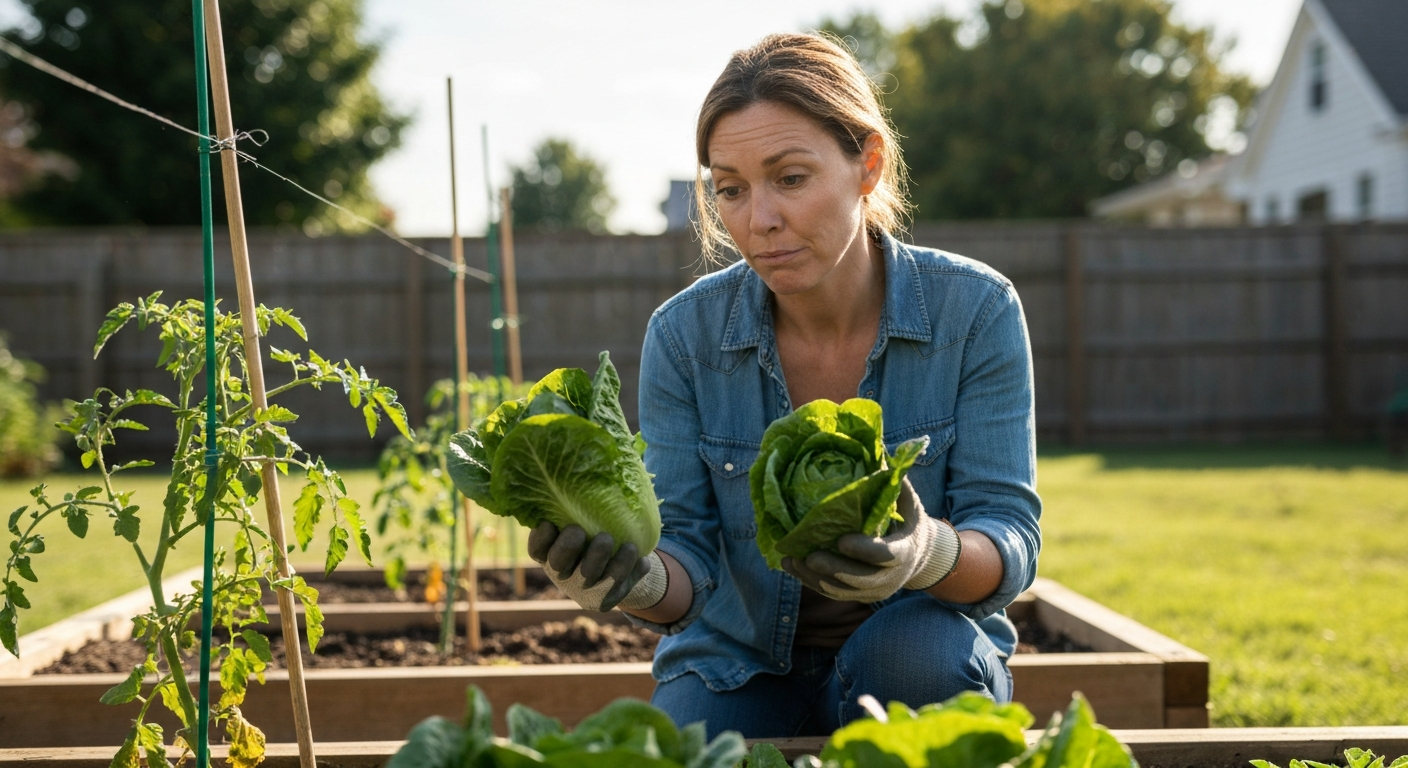

Lettuce turns bitter primarily because of bolting — when the plant shifts energy from leaf production to flowering, it floods the leaves with sesquiterpene lactones, the same compounds that make dandelion greens taste harsh.
Heat stress, water inconsistency, and harvesting too late in the day are the most common triggers, whether you're growing lettuce in your garden or buying it from the store. The good news: once you understand what causes bitterness, you can prevent it with simple timing and growing adjustments.
The bitter flavor in lettuce comes from naturally occurring compounds called sesquiterpene lactones, which concentrate in the plant's milky white sap (latex) when it's under stress.
All lettuce varieties contain these compounds to some degree — they're part of the plant's natural defense system against pests and herbivores. When growing conditions are ideal, the levels stay low and undetectable to your taste buds. When the plant experiences stress, it ramps up production dramatically.
You've probably noticed that white, milky liquid that seeps from a lettuce stem when you cut it. That latex is where most of the bitter compounds live. The more stressed the plant, the more latex it produces, and the more pronounced that unpleasant taste becomes.
"Lettuce bitterness is caused by sesquiterpene lactones, which accumulate in the latex of lettuce leaves, especially when plants are exposed to heat stress or are allowed to bolt." — University of California Division of Agriculture and Natural Resources
This is why lettuce from your garden can sometimes taste far more bitter than what you buy at the store. Commercial growers have perfected climate-controlled environments and harvest timing to minimize stress. Home gardeners, working with unpredictable weather and busy schedules, often harvest when the plant has already begun its stress response.
Yes — heat is the single biggest culprit behind bitter lettuce, especially in home gardens where temperatures fluctuate without intervention.
Lettuce is a cool-season crop that thrives between 45°F and 75°F. Once temperatures consistently exceed 75°F, the plant interprets this as a survival threat and begins preparing to reproduce before it dies. This triggers bolting (sending up a flower stalk), and the plant floods its tissues with bitter compounds.
Even before visible bolting occurs, heat stress alone can increase bitterness. A study published in the Journal of the American Society for Horticultural Science found that lettuce grown at 86°F produced significantly higher concentrations of bitter compounds than lettuce grown at 68°F — even when neither group had bolted yet.
Here's what makes summer gardening particularly challenging:
| Temperature Range | Plant Response | Bitterness Level |
|---|---|---|
| 45°F–60°F | Optimal growth, slow and steady | Minimal |
| 60°F–75°F | Active growth, harvestable | Low |
| 75°F–85°F | Stress response begins | Moderate |
| Above 85°F | Bolting likely, rapid bitterness | High |
If you're wondering why your lettuce is bitter from your garden during summer months, heat is almost certainly involved. Even a single heat wave can trigger enough stress to noticeably change the flavor, and the effects don't reverse once cooler weather returns.
| ✓Our Pick |
Heirloom and bolt-resistant lettuce seed varieties Used by over 10,000 satisfied customers — an easy, affordable option you can start using today. See on Amazon → |
Absolutely — the biochemical changes that cause bitterness begin days before you see a visible flower stalk, which is why seemingly normal-looking lettuce can still taste off.
Bolting is the plant's transition from vegetative growth (making leaves) to reproductive growth (making flowers and seeds). From the plant's perspective, this is a one-way ticket. Once the internal switch flips, all energy redirects toward reproduction.
The bitter compounds serve as a deterrent — the plant essentially makes its leaves unpalatable so animals won't eat them before seeds can form. By the time you see the center stalk elongating, the bitterness process has been underway for 3–5 days.
Signs your lettuce is about to bolt (or has already started):
- Center of the plant looks taller or more pointed than usual
- Leaves become more elongated and less rounded
- Leaf texture turns slightly rubbery or tough
- Milky sap flows more freely when you break a stem
- Overall plant shape shifts from compact rosette to vertical tower
"Once lettuce begins the bolting process, the quality declines rapidly. Harvesting before the seed stalk emerges is essential for maintaining mild flavor." — Clemson Cooperative Extension
This is why timing matters more than appearance. A lettuce plant that looks perfectly healthy can already be producing bitter leaves if it sensed heat stress or long daylight hours 4–5 days earlier.
Irregular watering creates stress responses similar to heat — the plant interprets drought as a threat and increases its defensive bitter compounds.
Lettuce has shallow roots, typically concentrated in the top 6 inches of soil. This makes it highly sensitive to moisture fluctuations. When soil dries out, even briefly, the plant experiences water stress. When you then water heavily, the sudden availability triggers rapid growth that can further concentrate bitter compounds.
The solution isn't necessarily more water — it's consistent water. A lettuce plant that receives 1 inch of water spread evenly across the week will taste better than one that gets 2 inches all at once followed by dry days.
Practical watering guidelines for garden lettuce:
- Water in the morning so leaves dry before evening (reduces disease risk)
- Aim for consistently moist — not soggy — soil in the top 4–6 inches
- Mulch around plants with 2–3 inches of straw or shredded leaves to retain moisture
- Check soil moisture daily during hot spells; don't rely on a fixed schedule
- Consider drip irrigation or soaker hoses for steady, even delivery
Container-grown lettuce is especially vulnerable to moisture swings because pots dry out faster than garden beds. If you're growing lettuce on a patio or balcony, you may need to water twice daily during warm weather.
Also Read: Why Is My House So Dry? 7 Causes & How to Fix It
Harvesting in the afternoon can make your lettuce taste noticeably more bitter than picking the same leaves in the morning.
Throughout the day, lettuce accumulates compounds as part of normal photosynthesis. By late afternoon, concentrations of bitter substances are at their peak. Overnight, the plant metabolizes many of these compounds, essentially "resetting" to lower levels by dawn.
This isn't folk wisdom — it's documented plant biology. Commercial lettuce operations often harvest in the early morning hours specifically to capture leaves at their mildest. Home gardeners who pick lettuce after work in the evening are collecting leaves at their worst.
For the best-tasting lettuce:
- Harvest within 2 hours of sunrise when possible
- If morning harvest isn't practical, pick in late evening after a cool-down period
- Never harvest during the hottest part of the day (11 AM–4 PM)
- Refrigerate harvested leaves immediately to halt further compound development
This single change — shifting harvest time from afternoon to morning — can make a noticeable difference in flavor even if you can't control other variables like weather.
Yes — romaine and mature leaf lettuces contain higher baseline levels of bitter compounds compared to butterhead or young spring mixes.
Genetic differences between lettuce types mean some varieties will always taste stronger than others, even under identical growing conditions. Understanding this can help you choose varieties that match your taste preferences and growing climate.
| Lettuce Type | Baseline Bitterness | Heat Tolerance | Best Use |
|---|---|---|---|
| Butterhead (Bibb, Boston) | Low | Poor | Tender salads, wraps |
| Looseleaf (Red leaf, Green leaf) | Low to moderate | Moderate | Salads, sandwiches |
| Romaine | Moderate to high | Good | Caesar salads, grilling |
| Crisphead (Iceberg) | Very low | Poor | Shredded toppings |
| Batavian (Summer Crisp) | Low | Excellent | Hot-climate gardens |
If you've been growing romaine and find it consistently bitter, switching to a butterhead variety might solve the problem without any other changes. Heat-tolerant varieties like 'Jericho' romaine or 'Muir' summer crisp have been bred specifically to resist bolting and bitterness in warm conditions.
Seed packets and catalogs often note "slow to bolt" or "heat tolerant" — these designations indicate varieties selected for lower bitterness under stress.
Soaking bitter lettuce in ice water for 15–30 minutes can reduce perceived bitterness by diluting some of the water-soluble compounds and crisping the texture.
While you can't fully reverse the biochemical changes that caused bitterness, you can make already-harvested lettuce more palatable:
Ice water soak: Submerge leaves in ice water for 15–30 minutes. This firms up cell walls and dilutes some bitter compounds. Spin dry before using.
Pair with sweet or acidic ingredients: A light vinaigrette with honey or citrus, sweet fruits like strawberries or mandarin oranges, or a creamy dressing can mask bitterness effectively.
Remove the ribs: Bitter compounds concentrate most heavily in the thick center ribs. Stripping leaves from the rib and using only the outer leaf tissue reduces bitterness.
Cook it: Light sautéing, grilling, or adding to soups breaks down some bitter compounds. Wilted lettuce in a warm bacon dressing is a classic solution for overly mature greens.
Use it as a secondary green: Mix bitter lettuce with milder greens like spinach or arugula so no single bite is overwhelmingly harsh.
These methods won't transform extremely bitter, bolted lettuce into something delicious, but they can salvage moderately bitter harvests.
The key to consistently mild lettuce is growing during cool seasons, providing afternoon shade during warm spells, and harvesting promptly before stress accumulates.
A strategic approach based on your local climate:
Spring planting: Start seeds indoors 4–6 weeks before last frost. Transplant outdoors when nighttime temperatures stay above 40°F. Harvest before summer heat arrives.
Fall planting: Direct sow 6–8 weeks before first frost. Lettuce handles light frost well, and cooler fall temperatures produce exceptionally sweet leaves.
Succession planting: Sow small amounts every 2 weeks rather than one large planting. This ensures you always have young, tender plants ready before older ones bolt.
Shade strategies: In warm climates, grow lettuce under shade cloth (30–50% shade) or plant on the east side of taller crops like tomatoes or beans that provide afternoon shade.
Harvest young: Don't wait for massive heads. Baby and teen lettuce leaves are milder than fully mature plants. Cut-and-come-again harvesting keeps plants in a vegetative state longer.
"Planting in the appropriate season is the single most important factor for high-quality lettuce. No cultural practice can fully compensate for growing lettuce during unfavorable hot conditions." — Texas A&M AgriLife Extension
For gardeners in hot climates, accepting that lettuce is a spring and fall crop — not a summer one — often produces better results than fighting against heat with intensive interventions.
Also Read: Why Is My Hydrangea Not Flowering? 7 Causes & Fixes
Lettuce bitterness is caused by sesquiterpene lactones, compounds that increase when plants experience heat stress, inconsistent watering, or the onset of bolting. The best prevention is growing lettuce during cool weather, harvesting in the morning before stress compounds accumulate, and picking leaves before the plant begins flowering. If you end up with bitter lettuce anyway, an ice water soak and pairing with sweet or acidic ingredients can make it palatable.
Commercial lettuce is grown in temperature-controlled environments with precise irrigation and harvested at optimal times by trained crews. Home gardens experience temperature swings, irregular watering, and harvest timing based on your schedule — not the plant's ideal moment. Store-bought lettuce is also typically younger and harvested before any stress response begins.
Yes, bitter lettuce is completely safe to eat. The sesquiterpene lactones that cause bitterness are not toxic to humans at the concentrations found in lettuce. The flavor may be unpleasant, but there are no health risks from consuming stressed or bolted lettuce. Some bitter compounds may actually have mild digestive benefits.
Lettuce can develop slightly more bitterness during extended refrigerator storage, though the effect is minor compared to growing conditions. The main quality issues with old lettuce are wilting, browning edges, and sliminess — not significant increases in bitter compounds. Eat lettuce within 5–7 days of harvest or purchase for best flavor.
Over-fertilizing — especially with high-nitrogen fertilizers — can actually increase bitterness by promoting rapid, lush growth that the plant can't sustain. Moderate, consistent fertility with a balanced fertilizer supports even growth without stress. Avoid heavy feeding in warm weather when plants are already prone to bolting.
Technically yes, but heavily bolted lettuce is usually too bitter to enjoy raw. Once the flower stalk is several inches tall, the leaves become rubbery and intensely bitter. At this stage, you can let the plant flower to collect seeds, feed the leaves to chickens or compost them, or try cooking the leaves in a soup or stir-fry where other flavors dominate.
Reviewed and Updated on May 24, 2026 by George Wright