Health
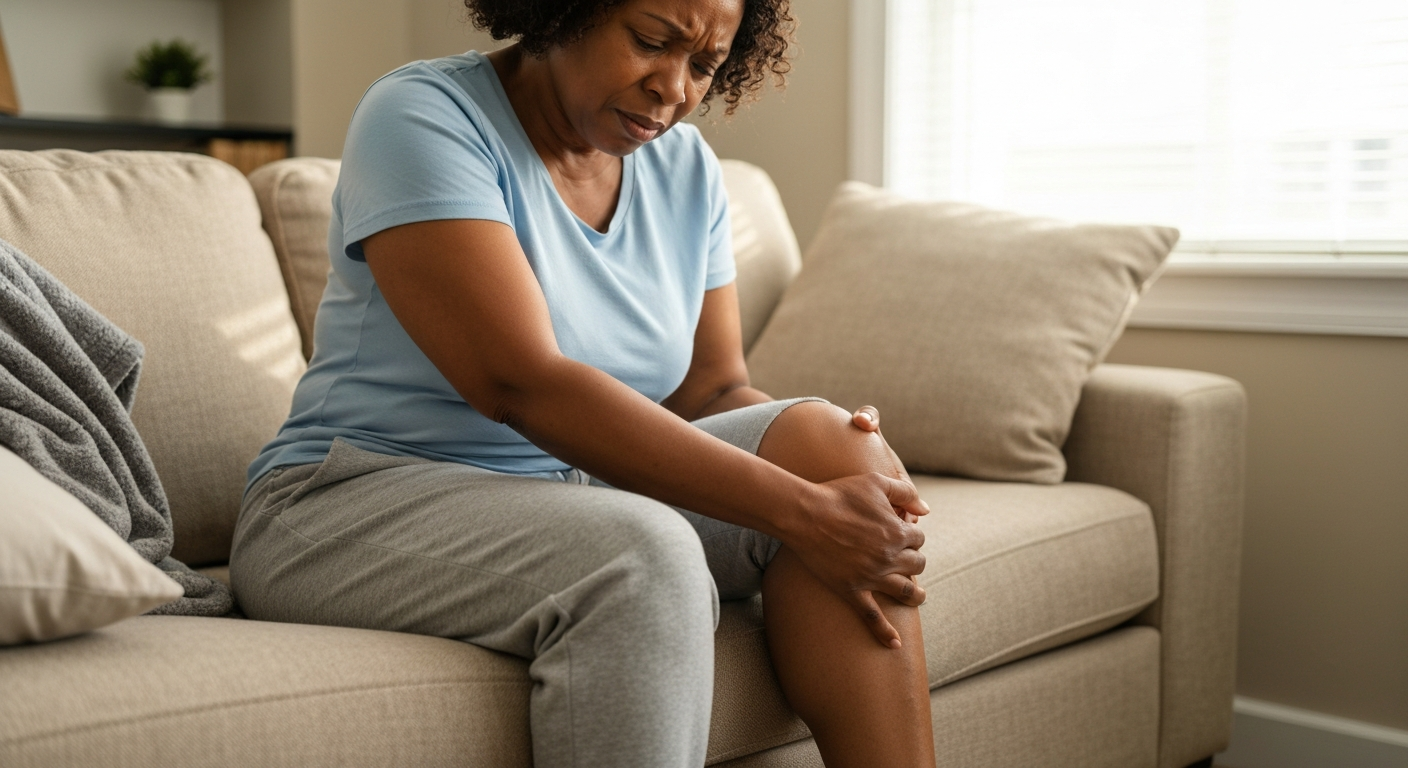

Your knee is swollen because fluid has accumulated inside or around the joint — a response your body uses to protect and heal damaged tissue. The most common causes include injury (ligament tears, meniscus damage, fractures), arthritis, bursitis, infection, or gout. Swelling that appears suddenly after trauma usually signals a structural injury, while gradual swelling that worsens over days often points to inflammation from overuse or a chronic condition. Identifying the underlying cause is essential because treatment ranges from simple rest and ice to urgent medical intervention.
| 🛒Amazon Pick |
Top Rated Knee Ice Packs and Compression Wraps on Amazon Simple to use and genuinely effective -- for many people this is all they ever needed. See on Amazon → |
Knee swelling occurs when excess fluid — either synovial fluid, blood, or pus — builds up inside the joint capsule or in the surrounding soft tissues.
Your knee joint is enclosed by a membrane called the synovium, which normally produces a small amount of lubricating fluid. When something irritates or damages the knee, this membrane can overproduce fluid as a protective mechanism. Blood vessels may also leak inflammatory cells and proteins into the area, causing the characteristic puffiness, warmth, and stiffness you feel.
The swelling itself is not a disease — it is a symptom telling you something is wrong. The underlying cause determines how serious the situation is and what you should do next.
Yes — ligament injuries are one of the most common causes of sudden, significant knee swelling.
The anterior cruciate ligament (ACL) and medial collateral ligament (MCL) stabilize your knee during movement. Tearing either ligament — often from a twisting motion, sudden stop, or direct blow — causes rapid swelling within hours. You may hear a pop at the moment of injury and feel the knee give way.
"A torn ACL typically causes the knee to swell within a few hours of injury. The swelling is due to bleeding within the joint." — American Academy of Orthopaedic Surgeons
ACL tears frequently require surgical reconstruction if you want to return to high-impact activities. MCL injuries often heal with bracing and physical therapy.
Meniscus tears cause swelling that develops gradually over 24 to 48 hours, often accompanied by a catching or locking sensation.
The meniscus is a C-shaped piece of cartilage that cushions the space between your thighbone and shinbone. Tears can happen from a sudden twist or develop slowly from age-related wear. Unlike ligament injuries, meniscus tears may not swell immediately — the inflammation builds over a day or two.
Other signs include pain along the joint line, difficulty fully straightening the knee, and a feeling that the knee might buckle.
Osteoarthritis causes chronic, low-grade swelling that tends to worsen after activity and improve with rest.
In osteoarthritis, the protective cartilage covering the ends of your bones gradually wears away. This triggers inflammation in the synovium, leading to excess fluid production. The swelling may come and go, flaring up after walking, climbing stairs, or standing for long periods.
According to the Centers for Disease Control and Prevention, osteoarthritis affects over 32.5 million adults in the United States, with the knee being one of the most commonly affected joints.
Bursitis causes localized swelling directly over the kneecap or just below it, rather than inside the joint itself.
Bursae are small fluid-filled sacs that reduce friction between bones, tendons, and skin. The prepatellar bursa sits directly in front of your kneecap. Repeated kneeling (common in carpet layers, plumbers, and gardeners) or a direct blow can inflame this bursa, causing a soft, egg-like swelling over the front of the knee.
Prepatellar bursitis — sometimes called "housemaid's knee" — is tender to touch and may feel warm. The knee usually bends normally because the joint itself is not affected.
Also Read: Why Is My Big Toe Numb? 7 Causes
Gout causes sudden, intense knee swelling along with severe pain, redness, and warmth — often starting at night.
Gout occurs when uric acid crystals accumulate in a joint. While the big toe is the most famous target, the knee is the second most common location. A gout flare typically comes on rapidly, reaching maximum intensity within 12 to 24 hours. The knee becomes so tender that even the weight of a bedsheet can be unbearable.
Blood tests showing elevated uric acid levels and analysis of fluid withdrawn from the knee can confirm the diagnosis.
Yes — septic arthritis is a medical emergency that causes rapid swelling, severe pain, fever, and redness.
Bacteria can enter the knee joint through a wound, spread from an infection elsewhere in the body, or (rarely) be introduced during a medical procedure. The joint fills with pus, and without prompt treatment, the infection can permanently destroy cartilage within days.
"Septic arthritis requires urgent treatment. If you have a swollen, warm, red joint with fever, seek immediate medical care." — Mayo Clinic
Warning signs include fever, chills, inability to bear weight, and rapidly worsening symptoms.
A Baker's cyst causes a fluid-filled bulge behind the knee that may feel tight when you fully bend or straighten your leg.
Also called a popliteal cyst, this swelling forms when excess joint fluid pushes into a pocket at the back of the knee. Baker's cysts are usually secondary to another problem — such as arthritis or a meniscus tear — that causes the joint to overproduce fluid.
The cyst itself is often painless, though it can rupture and leak fluid into the calf, mimicking the symptoms of a blood clot.
Overuse injuries like patellar tendinitis or runner's knee cause swelling that develops gradually with repeated activity.
These conditions do not involve a single traumatic event. Instead, cumulative stress from running, jumping, or cycling irritates the tendons and soft tissues around the knee. Swelling is typically mild to moderate and concentrated around the kneecap or along the tendon below it.
Rest, ice, and modifying your activity level usually resolve overuse injuries within weeks.
| Characteristic | Likely Cause |
|---|---|
| Swelling within hours of injury, heard a pop | ACL or ligament tear |
| Swelling over 24–48 hours, catching or locking | Meniscus tear |
| Chronic swelling worse after activity, over age 50 | Osteoarthritis |
| Localized swelling over kneecap, history of kneeling | Bursitis |
| Sudden severe swelling with intense pain and redness | Gout or septic arthritis |
| Swelling behind the knee, feels like a water balloon | Baker's cyst |
| Gradual swelling with running or jumping sports | Overuse injury |
| Fever, chills, red hot joint, unable to bear weight | Infection — seek emergency care |
| 🛒Amazon Pick |
Knee Braces for Stability and Pain Relief on Amazon Consistently earns five-star reviews -- reliable, well-supported, and genuinely effective. See on Amazon → |
Seek medical attention immediately if your swollen knee is accompanied by fever, severe pain, an inability to bear weight, visible deformity, or redness and warmth spreading beyond the joint.
These signs may indicate a fracture, ligament rupture, or joint infection — all of which require urgent evaluation. Delaying treatment for septic arthritis can lead to permanent joint damage.
You should also see a doctor if:
Your doctor may order X-rays, an MRI, or withdraw fluid from the knee (arthrocentesis) to analyze for crystals, bacteria, or blood.
Also Read: Why Is My Jaw Popping? 6 Causes & How to Fix It
For mild to moderate swelling without warning signs, the RICE protocol remains the first-line treatment recommended by orthopedic specialists.
| Step | How to Do It |
|---|---|
| Rest | Avoid activities that aggravate the knee. Use crutches if needed to keep weight off the joint. |
| Ice | Apply a cold pack wrapped in a towel for 15–20 minutes every 2–3 hours during the first 48 hours. |
| Compression | Wear an elastic bandage or compression sleeve to limit swelling. It should be snug, not tight. |
| Elevation | Prop your leg up on pillows so your knee is above heart level, especially when resting or sleeping. |
Over-the-counter anti-inflammatory medications like ibuprofen or naproxen can reduce both swelling and pain. Acetaminophen helps with pain but does not address inflammation.
| 🛒Amazon Pick |
Adjustable Knee Compression Sleeves on Amazon Consistently earns five-star reviews -- reliable, well-supported, and genuinely effective. See on Amazon → |
The right treatment depends entirely on the underlying cause — there is no one-size-fits-all approach to a swollen knee.
Maintaining a healthy weight, strengthening your leg muscles, and avoiding sudden increases in activity are the most effective ways to protect your knees.
Every extra pound of body weight places roughly four additional pounds of stress on your knee joints. Losing even a modest amount of weight can significantly reduce strain. Exercises that strengthen the quadriceps and hamstrings help stabilize the knee and absorb impact.
If you are starting a new exercise program, increase intensity gradually. Sudden spikes in mileage or training load are a leading cause of overuse injuries.
Knee swelling is your body's alarm signal that something is irritating or damaging the joint — the cause ranges from minor overuse to serious conditions like infection or ligament tears. Sudden swelling after an injury, especially with a popping sound or inability to bear weight, suggests structural damage. Gradual swelling that worsens over days points toward arthritis, bursitis, or gout. Home treatment with rest, ice, compression, and elevation works for mild cases, but you should see a doctor promptly if you have fever, severe pain, or swelling that does not improve within a few days.
Painless knee swelling often indicates a chronic condition like mild osteoarthritis or a Baker's cyst. The body can become accustomed to low-level inflammation over time, reducing the pain signal even though fluid is present. A small meniscus tear or early-stage bursitis may also cause visible swelling without significant discomfort. If the swelling persists for more than a week, have it evaluated to rule out progressive joint damage.
Dehydration does not directly cause knee swelling — in fact, it may slightly reduce fluid retention throughout the body. However, dehydration can worsen gout by increasing uric acid concentration in the blood, potentially triggering a flare that causes sudden knee swelling. Staying well-hydrated supports overall joint health and helps flush out metabolic waste products.
Mild knee swelling from a minor sprain or overuse typically resolves within one to two weeks with proper rest and home treatment. Swelling from a more significant injury like a meniscus tear or ligament sprain may take four to six weeks to fully subside. If swelling persists beyond six weeks or keeps returning, the underlying injury may require medical intervention.
You can wear a light compression bandage or sleeve overnight if it is comfortable, but remove it if you notice numbness, tingling, increased pain, or skin discoloration. Compression should be snug enough to provide gentle support without restricting blood flow. Elevating the knee on pillows while sleeping is often more effective than wrapping alone.
Gentle walking may help mild knee swelling by promoting circulation and preventing stiffness, but it depends on the cause. If walking increases pain or makes the swelling worse, rest the knee until symptoms improve. For osteoarthritis, low-impact movement is generally encouraged — for acute injuries or infections, weight-bearing should be limited until cleared by a doctor.
Reviewed and Updated on April 18, 2026 by George Wright