


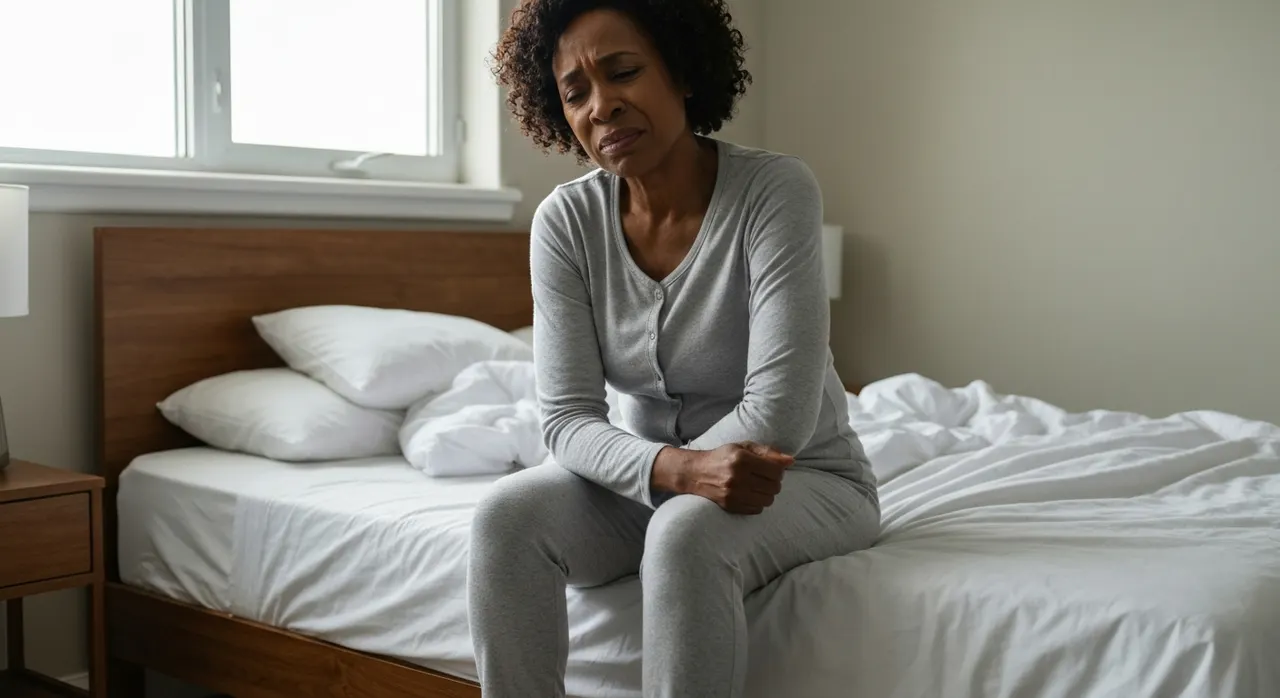
Knee clicking paired with pain usually signals one of six conditions: cartilage wear (osteoarthritis), a meniscus tear, patellofemoral syndrome (runner's knee), gas bubbles in the joint fluid, ligament damage, or tendon snapping over bone. The clicking itself is called crepitus, and while painless popping is often harmless, clicking combined with aching, swelling, or stiffness points to a structural issue that benefits from proper diagnosis and targeted treatment.
That grinding, crunching, or creaking sensation you feel when bending or straightening your knee has a name, and it is more common than you might think. Studies show that up to 99% of adults experience some form of knee crepitus, but most never develop pain from it. When discomfort does accompany those sounds, something is usually irritating the joint surfaces or the soft tissues around them. The good news is that most causes respond well to conservative treatment, and understanding exactly what is happening inside your knee is the first step toward feeling better.
| ✓Quick Fix |
The Quick Fix Most People Reach for First Most people dealing with this exact problem start here — quick, affordable, and easy to try today. See on Amazon → |
What Causes Knee Clicking, Crunching, and Pain?
The sounds and sensations in your knee come from changes to the joint surfaces, the cartilage that cushions them, or the soft tissues that glide over bone during movement.
Your knee is the largest joint in your body, and it relies on a complex system of bones, cartilage, ligaments, tendons, and fluid-filled sacs called bursae to move smoothly. When any of these components becomes damaged, worn, or inflamed, you may hear clicking, popping, crunching, or creaking as the knee bends and straightens.
Does Cartilage Wear Cause That Crunching Sound?
Osteoarthritis is the most common cause of painful knee crunching in adults over 50. The cartilage that normally cushions the ends of your thigh bone (femur) and shin bone (tibia) gradually wears down, leaving roughened surfaces that grind against each other. This creates the classic crunching or grating sound, especially when climbing stairs or squatting.
"Crepitus in the knee is often described as a crunching or grating sensation. It can be caused by osteoarthritis, where the cartilage that cushions the bones wears down over time." — Cleveland Clinic
The pain from osteoarthritis tends to worsen with activity and improve with rest. You may also notice stiffness in the morning that eases after 20 to 30 minutes of moving around.
Can a Meniscus Tear Cause Clicking When You Walk?
Your knee has two C-shaped pieces of cartilage called menisci that act as shock absorbers between the femur and tibia. A torn meniscus is one of the most common knee injuries, often causing a distinct clicking or catching sensation when you walk or bend the knee.
Meniscus tears can happen suddenly during sports or gradually from age-related degeneration. Alongside the clicking, you may experience:
- Swelling that develops over 24 to 48 hours
- A sensation of the knee locking or giving way
- Pain along the joint line, especially when twisting
- Difficulty fully straightening the leg
Is Runner's Knee Making Your Knee Creaky?
Patellofemoral syndrome, commonly called runner's knee, occurs when the kneecap (patella) does not track smoothly in the groove at the front of the femur. This misalignment causes the underside of the kneecap to rub against bone, producing creaking, grinding, or popping sounds.
The condition is especially common in runners, cyclists, and people who sit for long periods with bent knees. Pain typically worsens when:
- Walking up or down stairs
- Squatting or kneeling
- Sitting with bent knees for extended periods
- Getting up after sitting
Why Does My Knee Pop Without an Injury?
Sometimes knees pop loudly without any damage at all. Synovial fluid, the lubricant inside your joint, contains dissolved gases. When you bend or straighten your knee, pressure changes can cause these gases to form bubbles that burst with an audible pop. This is the same mechanism behind cracking your knuckles.
Gas bubble pops are typically:
- Loud but painless
- Occasional rather than constant
- Not accompanied by swelling or stiffness
If the popping is painless and does not limit your movement, it is usually nothing to worry about.
Do Ligament or Tendon Problems Cause Painful Popping?
The four major ligaments in your knee, including the ACL and MCL, can produce clicking or popping when damaged. A torn ligament often causes a loud pop at the moment of injury, followed by swelling, instability, and ongoing clicking with movement.
Tendons can also create snapping sounds when they move over bony prominences. Iliotibial band syndrome, where the IT band snaps over the outer knee, is a common example that causes clicking on the outside of the knee during walking or running.
How Doctors Diagnose Clicking Knees in 2026
Pinpointing the exact cause of your knee sounds requires a physical examination and often imaging tests to see inside the joint.
Your doctor will start by asking about your symptoms: when the clicking started, whether it hurts, what makes it better or worse, and whether you have had any injuries. They will watch you walk, squat, and bend your knee to observe how it moves and where it makes noise.
| Diagnostic Test | What It Shows | Best For |
|---|---|---|
| X-ray | Bones, joint space narrowing, bone spurs | Osteoarthritis, fractures |
| MRI | Soft tissues, cartilage, meniscus, ligaments | Meniscus tears, ligament injuries, early cartilage damage |
| Ultrasound | Real-time tendon movement, fluid accumulation | Tendon problems, bursitis |
| Arthroscopy | Direct visualization inside the joint | Definitive diagnosis when imaging is unclear |
An MRI is particularly useful for painful clicking because it shows the meniscus, cartilage surfaces, and ligaments in detail. Your doctor may also inject a small amount of fluid into the joint to enhance the images.
Treatments That Quiet Clicking Knees
Most people with painful knee crepitus improve with non-surgical treatments, including targeted exercises, weight management, and sometimes injections or bracing.
Physical Therapy and Strengthening
Strengthening the muscles around your knee, particularly the quadriceps and hamstrings, helps stabilize the joint and reduce stress on damaged surfaces. A physical therapist can design a program that:
- Improves quadriceps strength to better control kneecap tracking
- Stretches tight structures like the IT band and calf muscles
- Teaches proper movement patterns to avoid aggravating the joint
- Incorporates low-impact exercises like swimming or cycling
"Strengthening the quadriceps muscle is one of the most effective treatments for patellofemoral pain syndrome. Strong muscles help the kneecap track properly and reduce grinding sensations." — American Academy of Orthopaedic Surgeons
Weight Management
Every pound of body weight places four to six pounds of pressure on your knees when you walk. Losing even a small amount of weight can significantly reduce joint stress and slow cartilage wear. Studies show that losing 10 pounds reduces knee load by 40 to 60 pounds with each step.
Medications and Injections
Over-the-counter anti-inflammatories like ibuprofen or naproxen can reduce pain and swelling during flare-ups. For more persistent symptoms, your doctor may recommend:
- Corticosteroid injections to temporarily reduce inflammation
- Hyaluronic acid injections to supplement joint lubrication
- Platelet-rich plasma (PRP) injections for tendon or cartilage problems
Bracing and Taping
A patellar tracking brace or kinesiology tape can help keep the kneecap aligned properly, reducing crunching and pain from patellofemoral syndrome. These options work best alongside exercise and are not long-term solutions on their own.
Surgery
When conservative treatments fail, surgical options include:
- Arthroscopic surgery to trim a torn meniscus or remove loose cartilage
- Cartilage restoration procedures for localized damage
- Realignment surgery for severe tracking problems
- Partial or total knee replacement for advanced osteoarthritis
Most people with clicking and pain do not need surgery. It is typically reserved for cases where the knee locks, gives way repeatedly, or causes significant daily disability despite months of other treatment.
When Should You See a Doctor About Knee Clicking?
Painful clicking requires medical evaluation when it limits your daily activities, follows an injury, or comes with swelling, instability, or locking.
Not every click needs a doctor's visit. However, you should seek evaluation if you experience:
- Pain that wakes you at night or persists at rest
- Swelling that does not resolve within a few days
- A feeling that your knee buckles or gives out
- Inability to fully bend or straighten the knee
- Clicking that started after a fall, twist, or impact
- Redness or warmth suggesting infection
If your knee locks in a bent position and you cannot straighten it, this is a medical urgency. A torn meniscus flap can catch in the joint and block movement, and this may require prompt surgical repair.
| ✓Our Pick |
Joint support supplements for everyday comfort Used by over 10,000 satisfied customers — an easy, affordable option you can start using today. Learn More → |
In Short
Knee clicking and pain usually stem from cartilage wear, a meniscus tear, or kneecap tracking problems, all of which respond well to strengthening exercises, weight management, and sometimes medical treatment. Painless popping is typically harmless gas bubbles in the joint. See a doctor if clicking follows an injury, causes swelling or instability, or stops you from doing everyday activities.
What You Also May Want To Know
Why Is My Knee Making a Crunching Sound?
A crunching or grating sound in your knee is usually caused by roughened cartilage surfaces rubbing together, a hallmark of osteoarthritis. The medical term for this sound is crepitus. While crunching without pain is often benign, painful crunching suggests the cartilage has worn enough to expose sensitive bone or irritate surrounding tissues.
Why Is My Knee Clicking When I Walk?
Clicking while walking often points to a meniscus tear, kneecap tracking issue, or tendon snapping over bone. If the clicking is new, painful, or accompanied by swelling, it warrants evaluation. Painless clicking during walking is common and usually harmless, especially if it has been present for years without other symptoms.
Why Is My Knee Creaking More as I Get Older?
Age-related cartilage wear is the main reason knees become creakier over time. After age 50, the smooth cartilage that cushions your joint gradually thins, creating more friction between bones. Keeping the muscles around your knee strong and maintaining a healthy weight are the best ways to minimize creaking and protect the remaining cartilage.
Can I Exercise With a Clicking Knee?
Yes, in most cases exercise helps rather than hurts. Low-impact activities like swimming, cycling, and walking strengthen the muscles that support your knee without adding excessive stress. Avoid deep squats, lunges, or high-impact sports until a doctor or physical therapist clears you. If exercise causes increased pain or swelling, modify the activity or stop.
Will Knee Clicking Go Away on Its Own?
It depends on the cause. Painless clicking from gas bubbles will continue indefinitely but is harmless. Clicking from a minor tracking issue may improve with strengthening exercises. However, clicking from a meniscus tear or osteoarthritis will not resolve without treatment, though symptoms can often be managed effectively with conservative care.