Hair
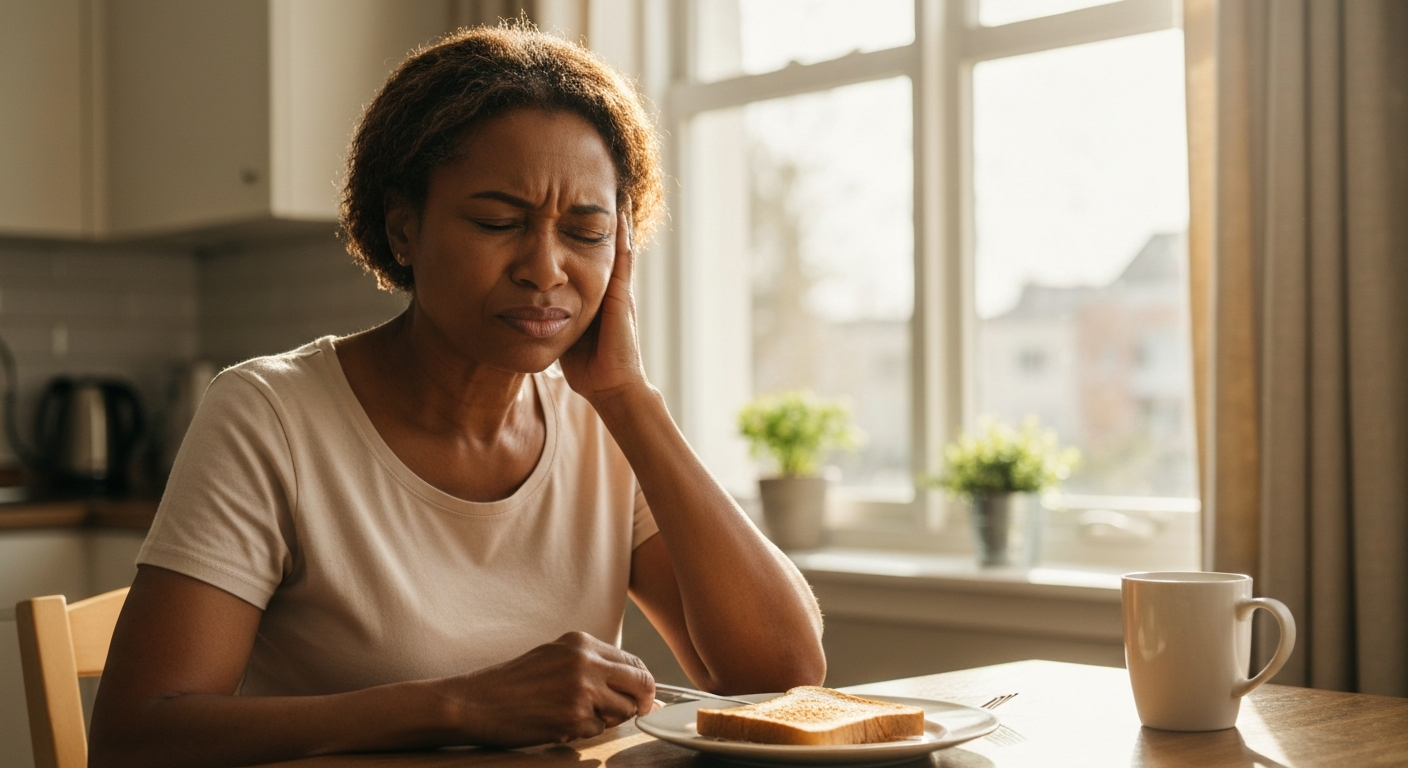

Jaw cramping happens when the muscles around your jaw involuntarily contract and refuse to relax, and the most common culprits are stress-related clenching, temporomandibular joint dysfunction (TMJ/TMD), dehydration, or overworking the jaw through excessive chewing or talking.
| ✓Our Pick |
Custom-fit night guard for jaw clenching and teeth grinding A top-rated pick that works — readers who tried this reported noticeable improvement within days. Learn More → |
Jaw cramps occur when the masseter, temporalis, or pterygoid muscles surrounding your jaw joint spasm involuntarily — and identifying your specific trigger is the first step toward relief.
Your jaw is controlled by some of the strongest muscles in your body relative to their size. When these muscles become fatigued, strained, or irritated, they can lock into a painful cramp just like a calf muscle might seize during a run. The causes range from simple lifestyle factors to underlying medical conditions.
Stress is the leading cause of jaw cramping for most people. When you're anxious or under pressure, you unconsciously clench your jaw muscles throughout the day. This sustained tension exhausts the muscle fibers, making them prone to sudden cramping.
Many people don't realize they're clenching until the cramp hits. The masseter muscle (your main chewing muscle on each side of your face) can exert up to 200 pounds of force when clenched tightly. Doing this repeatedly without rest creates the perfect conditions for a cramp.
"Jaw clenching and teeth grinding, known as bruxism, often occur during periods of stress or anxiety and can lead to muscle fatigue and spasms in the jaw." — Dr. Jennifer Bassiur at Mount Sinai Health System
Temporomandibular joint disorder (TMJ or TMD) affects the hinge connecting your jaw to your skull. When this joint becomes inflamed, misaligned, or damaged, the surrounding muscles compensate by working harder — leading to fatigue and cramping.
TMJ-related cramping often comes with other symptoms: clicking or popping sounds when you open your mouth, difficulty opening wide, or pain that radiates to your ear. If your jaw cramps happen alongside these signs, the joint itself may be the root issue rather than just muscle tension.
Muscles need adequate hydration to contract and relax smoothly. When you're dehydrated, electrolyte imbalances (particularly low sodium, potassium, or magnesium) interfere with normal muscle function. The jaw muscles, which work constantly throughout the day for talking, chewing, and even breathing, are especially vulnerable.
A simple test: if your jaw cramps happen more often when you haven't been drinking enough water, or after exercise or hot weather, dehydration is likely contributing.
Overuse is a straightforward cause that many people overlook. Chewing gum for hours, eating extremely chewy foods (like tough steak or bagels), or even talking excessively can exhaust your jaw muscles to the point of cramping.
Think of it like any other muscle: if you did bicep curls for three hours straight, your arm would cramp. Your jaw operates the same way.
Also Read: Why Is My Jaw Twitching? 5 Causes & How to Stop It
Nocturnal bruxism (grinding your teeth while asleep) subjects your jaw muscles to hours of intense activity without your awareness. You might grind with forces exceeding normal chewing pressure, and your muscles never get the rest they need.
Morning jaw cramps, stiffness, or soreness upon waking are classic signs of nighttime grinding. Partners sometimes hear the grinding sound, but many people grind silently.
"Sleep bruxism is considered a sleep-related movement disorder. People who clench or grind their teeth during sleep are more likely to have other sleep disorders, such as snoring and pauses in breathing (sleep apnea)." — Mayo Clinic Staff at Mayo Clinic
Certain medications list muscle cramping or jaw tightness as side effects. Common culprits include:
If your jaw cramping started after beginning a new medication, discuss this with your prescribing doctor before stopping any treatment.
Misaligned teeth, a bad bite (malocclusion), missing teeth, or poorly fitting dental work can force your jaw muscles to work asymmetrically. This uneven strain fatigues certain muscles more than others, leading to localized cramping.
Recent dental procedures can also temporarily alter your bite, causing your jaw to compensate in ways that trigger cramps.
When a jaw cramp strikes, gentle stretching and moist heat applied to the muscle typically release the spasm within minutes.
Here's what to do the moment your jaw seizes up:
If the cramp doesn't release within 15 minutes, or if it's accompanied by severe pain, numbness, or difficulty breathing, seek medical attention immediately.
Preventing future jaw cramps requires addressing the underlying cause — whether that's stress management, bite correction, or muscle rehabilitation.
| Treatment | Best For | How It Works |
|---|---|---|
| Night guard | Bruxism, clenching | Cushions teeth and reduces muscle strain during sleep |
| Physical therapy | TMJ dysfunction, chronic tension | Strengthens and stretches jaw muscles properly |
| Stress reduction | Stress-related clenching | Removes the trigger for unconscious clenching |
| Bite adjustment | Malocclusion | Corrects uneven forces on jaw muscles |
| Botox injections | Severe, unresponsive cases | Temporarily weakens overactive muscles |
| Magnesium supplements | Deficiency-related cramps | Restores electrolyte balance for muscle function |
Custom-fit night guards prevent your upper and lower teeth from making contact while you sleep. This eliminates the grinding action and reduces the strain on your jaw muscles by up to 70%. Over-the-counter guards work for some people, but custom-fitted versions from a dentist or specialist lab provide better protection and comfort.
A physical therapist specializing in TMJ disorders can teach you exercises to strengthen weak jaw muscles, stretch tight ones, and improve joint mobility. They may also use techniques like ultrasound therapy or dry needling to release chronic muscle tension.
Since stress drives so much jaw clenching, addressing anxiety directly often resolves the cramping. Effective approaches include:
Also Read: Why Is My Saliva So Thick? 7 Causes & How to Fix It
Occasional jaw cramps from obvious causes (like chewing gum too long) rarely need medical attention, but persistent or severe cramping warrants professional evaluation.
See a healthcare provider if you experience:
Your doctor may refer you to a dentist, oral surgeon, or TMJ specialist depending on the suspected cause. Diagnosis typically involves a physical examination, dental X-rays, or MRI imaging of the jaw joint.
Simple self-care measures can significantly reduce jaw cramping frequency when practiced consistently.
Perform these exercises twice daily to keep jaw muscles flexible:
Give your jaw muscles a break by:
Sleeping on your back keeps your jaw in a neutral position. Side sleeping can push your jaw out of alignment, and stomach sleeping forces your head to turn, straining jaw muscles all night.
Jaw cramping typically stems from stress-related clenching, TMJ dysfunction, dehydration, or simply overworking the jaw muscles through excessive chewing or grinding. Immediate relief comes from gentle massage, moist heat, and slow stretching. Long-term prevention requires identifying your specific trigger — whether that means wearing a night guard, managing stress, staying hydrated, or seeking treatment for underlying TMJ issues. See a doctor if cramps happen frequently, last more than 15 minutes, or come with difficulty opening your mouth.
Yawning opens your jaw to its maximum range, which can trigger a cramp if your muscles are already fatigued or tight. The sudden, forceful stretch overwhelms a tired muscle, causing it to seize. If this happens regularly, it suggests underlying tension or TMJ issues that make your jaw vulnerable during wide opening.
Yes, magnesium deficiency directly contributes to muscle cramps throughout the body, including the jaw. Magnesium regulates muscle contraction and relaxation — without enough, muscles contract too strongly and struggle to release. Foods rich in magnesium include spinach, almonds, avocado, and dark chocolate. If dietary changes don't help, a magnesium supplement may be worth discussing with your doctor.
Jaw cramps during eating usually indicate muscle fatigue from overuse. Chewy foods, large bites, or prolonged meals force the jaw muscles to work harder than usual. It can also signal TMJ dysfunction, where the joint struggles with the repetitive motion of chewing. Try eating softer foods and taking smaller bites to see if symptoms improve.
Most jaw cramping is benign and related to stress, fatigue, or minor TMJ issues. However, sudden jaw tightness or cramping accompanied by chest pain, shortness of breath, or pain radiating down your arm can indicate a cardiac event and requires emergency care. In rare cases, jaw cramping can signal tetanus (if you have an unvaccinated wound) or neurological conditions affecting muscle control.
A typical jaw cramp resolves within a few minutes once you stop the triggering activity and apply gentle stretching or heat. Cramps lasting longer than 15 minutes, or jaw stiffness persisting for hours after the cramp releases, suggest more significant muscle fatigue or an underlying condition that needs professional evaluation.
Reviewed and Updated on May 23, 2026 by George Wright