Sleep
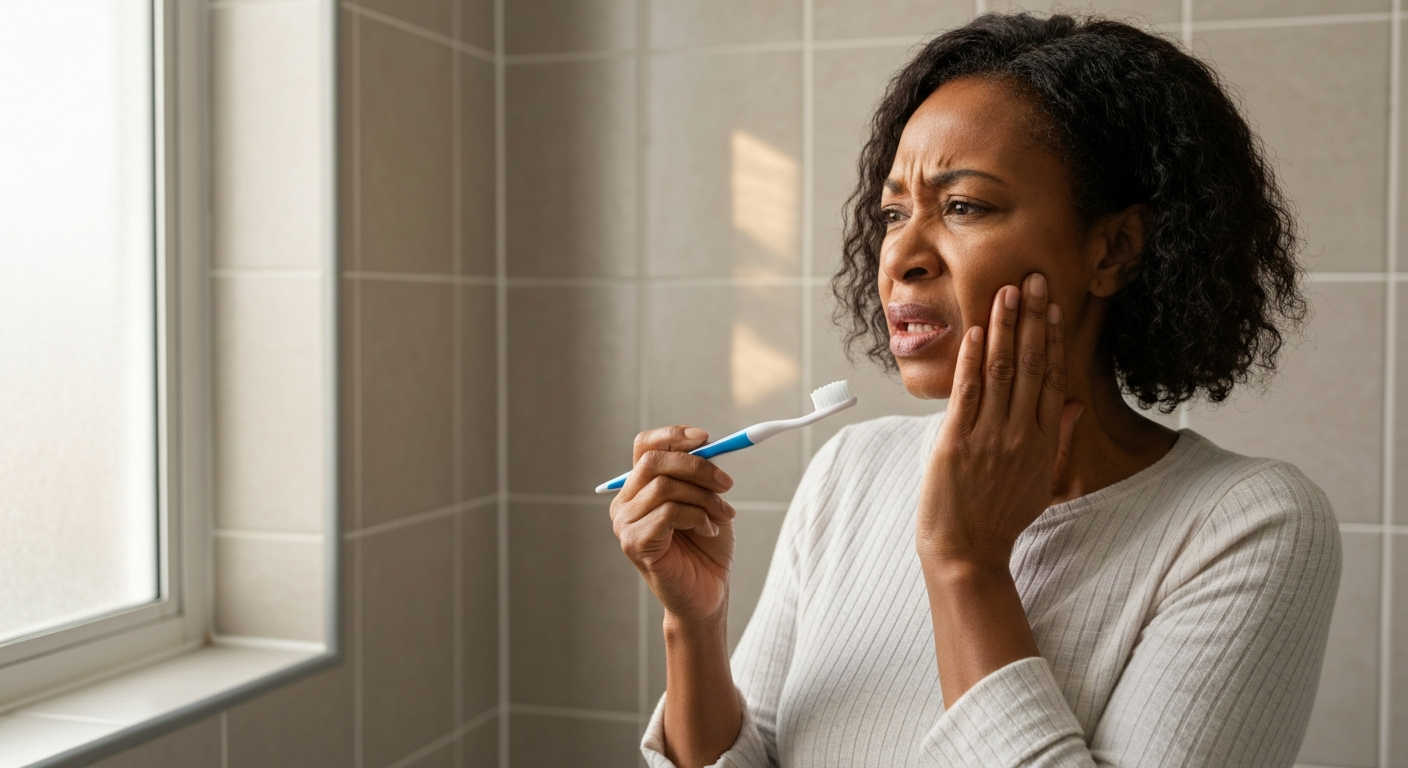

Your gums are peeling because the delicate tissue lining your mouth is reacting to an irritant, allergen, injury, or underlying condition—most commonly harsh oral care products, hot food burns, or allergic reactions to ingredients in toothpaste or mouthwash.
The good news is that most cases of peeling gums, peeling mouth skin, and peeling lips resolve on their own once you identify and remove the trigger. However, persistent peeling that lasts longer than two weeks, spreads across your mouth, or comes with pain, bleeding, or white patches warrants a dental or medical evaluation to rule out infections, autoimmune conditions, or other serious causes.
| ✓Our Pick |
Gentle toothpaste for sensitive mouths Highly rated by thousands of buyers — this is one of the most effective solutions for this issue you can try at home. See on Amazon → |
| ✓Our Pick |
 |
SNOW whitening system — sensitive-safe formula, 5 shades whiter, trusted by 2.4M+ customers Great value for money — this product tackles the root cause rather than just masking the symptoms. Learn More → |
Peeling inside your mouth happens when the thin mucosal layer—the protective lining covering your gums, cheeks, and inner lips—becomes damaged or irritated and sheds faster than normal.
Your oral mucosa regenerates every 7 to 14 days under normal circumstances. When something disrupts this cycle, you'll notice tissue sloughing off in sheets, strings, or small patches. The peeling can affect your gums specifically, the inside of your cheeks, the roof of your mouth, or your lips—and sometimes all of these areas at once.
Understanding the cause is the first step to stopping it. Below are the most common reasons your gums or mouth might be peeling.
Sodium lauryl sulfate (SLS), the foaming agent in most toothpastes and mouthwashes, is the single most common cause of peeling gums and mouth tissue.
SLS is a surfactant that creates that satisfying lather when you brush. Unfortunately, it can also strip away the natural oils protecting your oral mucosa, leaving tissue vulnerable to irritation and shedding. If you notice peeling starts shortly after brushing or using mouthwash, SLS is likely the culprit.
"Sodium lauryl sulfate can cause desquamation of the oral mucosa in susceptible individuals. Switching to an SLS-free toothpaste often resolves the problem within one to two weeks." — Dr. Mark Wolff, Morton Amsterdam Dean at Tufts University School of Dental Medicine
Look for SLS-free toothpaste brands like Sensodyne Pronamel, Biotene, or Tom's of Maine Whole Care. Your mouth tissue should stop peeling within two weeks of making the switch.
Yes—mouthwashes containing high concentrations of alcohol dry out your oral tissues and cause them to peel.
Alcohol percentages in popular mouthwashes range from 18% to 26%. This level of alcohol kills bacteria effectively but also dehydrates the mucosal lining. If you're using mouthwash twice daily and noticing peeling, try switching to an alcohol-free formula for two weeks to see if symptoms improve.
Hydrogen peroxide and carbamide peroxide in whitening toothpastes, strips, and trays can cause chemical burns and peeling, especially if they contact your gums directly.
Whitening products work by oxidizing stains on enamel, but this same chemical reaction irritates soft tissue. Improperly fitted whitening trays are particularly problematic because they allow bleaching gel to seep onto the gums. Over-the-counter whitening strips that sit against the gum line can produce the same effect.
| Product Type | Peroxide Concentration | Peeling Risk |
|---|---|---|
| Whitening toothpaste | 1–3% | Low to moderate |
| Whitening strips | 6–14% | Moderate |
| At-home trays | 10–22% | Moderate to high |
| In-office treatment | 25–40% | Low (professional application) |
If you're whitening your teeth and notice peeling, take a break for at least one week. When you resume, apply petroleum jelly to your gums before treatment to create a protective barrier.
Also Read: Why Is My Gum White? 7 Causes & When to See a Dentist
Thermal burns from hot pizza, coffee, soup, or tea are an extremely common cause of peeling inside the mouth—the damaged tissue sloughs off as it heals.
That first sip of coffee or eager bite of fresh-from-the-oven pizza can exceed 150°F (65°C), hot enough to burn the delicate mucosa instantly. You may not feel severe pain at the moment, but within 24 to 48 hours, the burned tissue will start peeling. The roof of your mouth and inner lips are the most common locations for thermal burns.
These burns heal on their own within one to two weeks. Avoid spicy, acidic, and crunchy foods while healing to prevent further irritation.
Allergic contact stomatitis—an allergic reaction inside the mouth—causes peeling, redness, and sometimes ulcers when you're exposed to an ingredient your immune system recognizes as a threat.
Common oral allergens include:
If your mouth started peeling after switching to a new toothpaste, mouthwash, gum, or candy, check the ingredients and eliminate the suspected product. Allergic reactions typically improve within a few days of removing the allergen.
Viral, bacterial, and fungal infections can all cause peeling inside the mouth, often accompanied by other symptoms like sores, white patches, or fever.
Oral thrush (candidiasis) is a fungal infection that creates white patches which, when wiped away, leave raw, peeling tissue underneath. It's common in people who wear dentures, use steroid inhalers, take antibiotics, or have weakened immune systems.
Herpes simplex virus (HSV-1) causes cold sores and can affect the gums and inner mouth, leading to peeling as sores heal. Primary herpetic gingivostomatitis—the first outbreak—often causes widespread peeling and is accompanied by fever and swollen lymph nodes.
"Oral candidiasis presents as removable white plaques on the oral mucosa. The underlying tissue may appear red, raw, or have a peeling appearance after the plaques are disturbed." — Centers for Disease Control and Prevention
See a doctor or dentist if you suspect an infection, especially if you have fever, severe pain, or symptoms lasting longer than two weeks.
Also Read: Why Is My Gum Itchy? 7 Causes & How to Get Relief
Chronic dry mouth (xerostomia) reduces the protective saliva coating your oral tissues, making them more vulnerable to damage and peeling.
Saliva does more than help you swallow—it contains proteins and enzymes that protect your oral mucosa. When saliva production drops, your mouth becomes dry, sticky, and irritated. Over time, the unprotected tissue may start to peel.
Causes of dry mouth include:
If you suspect dry mouth is causing your symptoms, try sipping water throughout the day, using a humidifier at night, and asking your doctor whether any of your medications might be contributing.
Autoimmune disorders like lichen planus, pemphigus vulgaris, and lupus can cause chronic peeling, erosion, and ulceration of the oral mucosa.
These conditions occur when your immune system mistakenly attacks healthy tissue. Oral lichen planus affects up to 2% of the population and appears as white, lacy patterns, red inflamed areas, or peeling tissue inside the cheeks and gums. Pemphigus vulgaris causes painful blisters that rupture and peel, often starting in the mouth before appearing on the skin.
If your mouth peeling is persistent, painful, widespread, or accompanied by symptoms elsewhere on your body, see a dentist or dermatologist. Autoimmune conditions require professional diagnosis and treatment.
Lip peeling usually results from different factors than gum peeling—primarily sun exposure, dehydration, lip-licking habits, and allergic reactions to lip products.
Your lips lack the oil glands and protective melanin that shield the rest of your skin. This makes them vulnerable to UV damage, windburn, and dehydration. Habitual lip licking feels soothing in the moment but actually removes the natural oils, leading to a cycle of dryness and peeling.
Allergic contact cheilitis—an allergic reaction on the lips—can be triggered by lipsticks, lip balms, sunscreens, and even certain foods. If your lips started peeling after introducing a new product, stop using it immediately.
| ✓Our Pick |
Lip balm for peeling cracked lips A top-rated pick that works — readers who tried this reported noticeable improvement within days. See on Amazon → |
Most cases of peeling gums resolve within one to two weeks once you remove the trigger and give your tissues time to heal.
Follow these steps to speed recovery:
If symptoms persist after two weeks of home care, schedule an appointment with your dentist.
Seek professional evaluation if your peeling lasts longer than two weeks, is accompanied by severe pain or bleeding, or appears alongside white patches, ulcers, or systemic symptoms like fever.
Some warning signs require prompt attention:
| Symptom | Possible Concern | Urgency |
|---|---|---|
| Peeling > 2 weeks | Infection, autoimmune condition | See dentist within 1 week |
| White patches that don't scrape off | Leukoplakia (pre-cancerous) | See dentist within 1 week |
| Severe pain affecting eating | Infection, pemphigus | See dentist within 2–3 days |
| Fever + mouth sores | Primary herpes, systemic infection | See doctor same day |
| Peeling + skin symptoms | Autoimmune condition | See dermatologist |
Your dentist can perform a visual examination, take a biopsy if needed, and refer you to a specialist if an autoimmune or dermatologic condition is suspected.
Also Read: Why Is My Gum Swollen Around One Tooth? 8 Causes & Fixes
Peeling gums, peeling mouth skin, and peeling lips are most commonly caused by SLS in toothpaste, alcohol-based mouthwash, whitening products, thermal burns, or allergic reactions to oral care ingredients. Switch to gentle, SLS-free and alcohol-free products, pause whitening treatments, and give your mouth one to two weeks to heal. If peeling persists, spreads, or comes with pain, white patches, or fever, see your dentist to rule out infections, autoimmune conditions, or other underlying causes that need professional treatment.
The most likely cause is sodium lauryl sulfate (SLS), a foaming agent in most toothpastes. SLS can irritate the delicate mucosal lining inside your mouth, causing it to shed in sheets or strings after brushing. Switching to an SLS-free toothpaste typically resolves this within one to two weeks. If it doesn't, consider whether your mouthwash contains alcohol, which can have the same effect.
Stress doesn't directly cause gum peeling, but it can contribute indirectly. Stress often leads to dry mouth, teeth grinding (which irritates gum tissue), and changes in oral hygiene habits. It also weakens your immune system, making you more susceptible to infections like oral thrush that cause peeling. Managing stress and maintaining consistent oral care can help reduce these secondary effects.
Isolated gum peeling is rarely a sign of oral cancer, especially if it started recently and responds to removing irritants. However, persistent white or red patches that don't heal, painless lumps, or sores lasting longer than two weeks should be evaluated by a dentist. Oral cancer typically presents as lesions that don't resolve rather than as generalized peeling.
You may be allergic to an ingredient in your lip balm—common culprits include fragrances, lanolin, propolis, and certain sunscreen chemicals. Some lip balms also contain camphor or menthol, which can be drying despite the initial soothing sensation. Try a hypoallergenic, fragrance-free balm with simple ingredients like petroleum jelly or beeswax, and avoid licking your lips, which worsens peeling.
Most cases of gum peeling from irritants like SLS, alcohol, or thermal burns heal within one to two weeks once the cause is removed. Allergic reactions may resolve faster—within a few days—if you eliminate the allergen. Infections and autoimmune conditions take longer and require professional treatment. If your symptoms haven't improved after two weeks of home care, see a dentist for evaluation.
Reviewed and Updated on June 16, 2026 by George Wright