Technology
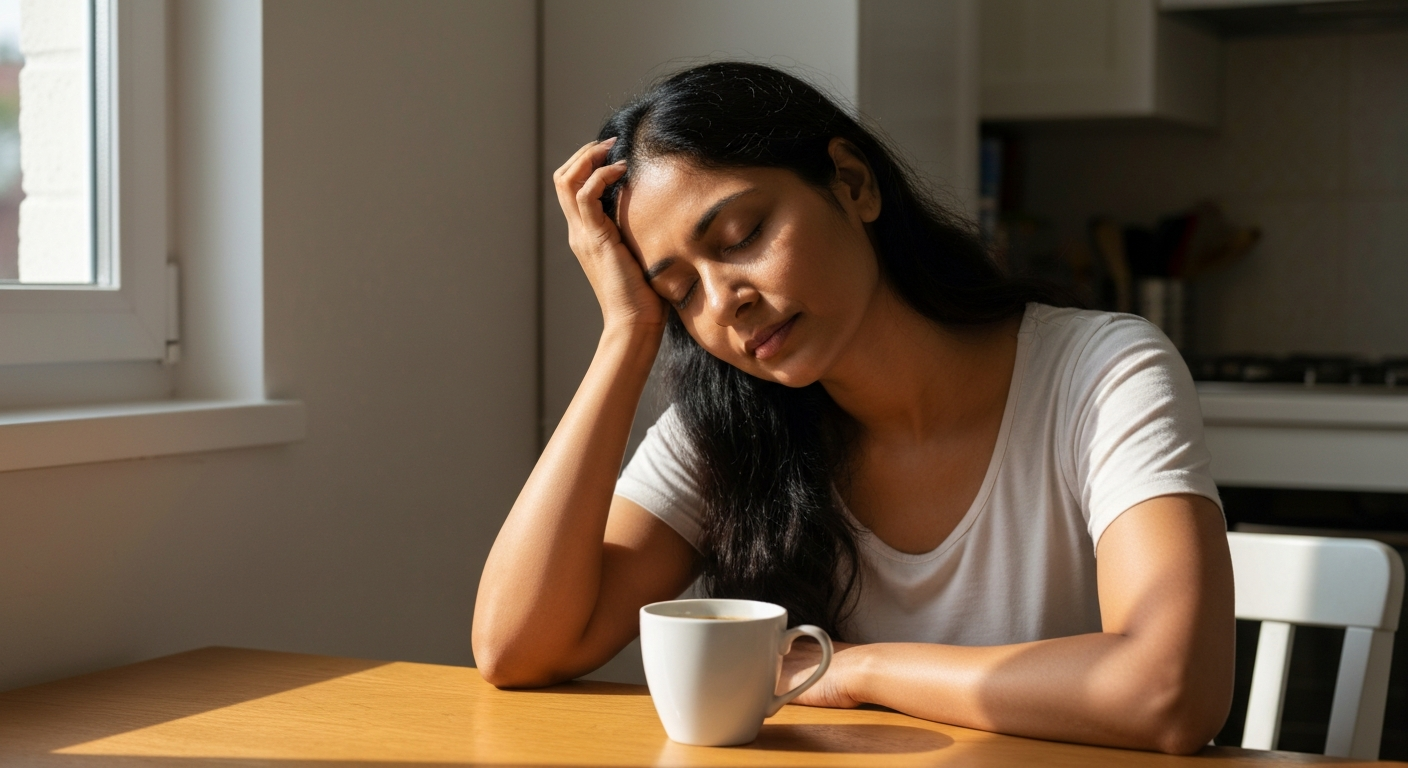

Persistent tiredness in a partner is usually one of a handful of common causes: iron-deficiency anemia, an underactive thyroid, low vitamin B12 or D, undiagnosed sleep apnea, depression or anxiety, or simple lifestyle factors like poor sleep and dehydration. Most of these are easy to test for and treatable once identified.
| ✓Our Pick |
Clinically backed supplements for fatigue, low energy, and sleep support This is the go-to fix recommended by professionals — save time and money by getting it right the first time. Learn More → |
Chronic tiredness in women most often traces back to one of six categories: nutrient deficiencies (iron, B12, vitamin D), thyroid dysfunction, undiagnosed sleep apnea, mental health conditions like depression or anxiety, hormonal shifts, or lifestyle gaps in sleep and hydration. None of these are rare, and several can overlap in the same person.
Fatigue is also one of the most common reasons women see a doctor, but it's a symptom rather than a diagnosis — which is why pinning down the cause matters more than just "getting more sleep." The sections below walk through each major cause, what it feels like, and how it's typically confirmed.
Iron-deficiency anemia is one of the leading medical causes of fatigue in women of reproductive age, largely driven by monthly blood loss from menstruation. It's diagnosed with a simple blood test and is highly treatable with supplementation.
When iron stores run low, the body can't make enough hemoglobin to carry oxygen efficiently to tissues and muscles. That oxygen shortfall (less fuel reaching cells that need it to function) shows up as fatigue, shortness of breath, and lightheadedness. Research on iron-deficiency anemia notes that "common symptoms are fatigue, dyspnea, and syncope, which are typical of all anemias," according to a clinical review published on the NIH's NCBI Bookshelf. The same review reports that iron-deficiency anemia affects between 9% and 11% of adolescent girls and women of reproductive age in high-income countries — a meaningfully high rate for a condition that's straightforward to test for.
Heavy periods, pregnancy, and a diet low in iron-rich foods (red meat, spinach, beans, fortified cereals) are the most common drivers. A simple complete blood count (CBC) and ferritin test at a primary care visit can confirm or rule this out in a single visit.
| ✓Our Pick | ||
Women's probiotics that support gut health and absorption — 20% off with code THEORFY20 Save yourself the frustration — a proven solution with consistently positive feedback from real buyers.
|
Hypothyroidism, or an underactive thyroid, slows the body's entire metabolism — and fatigue is one of its most universal symptoms, especially in women. Women are five to eight times more likely than men to develop thyroid conditions, making this one of the first things doctors check when fatigue won't resolve.
The thyroid gland regulates how fast the body uses energy. When it produces too little thyroid hormone, nearly every system slows down with it (digestion, heart rate, and brain function all included). According to the American Thyroid Association, "If your thyroid hormone levels are low, your body slows down. You may: Feel cold, Feel tired, Have dry skin, Be constipated, Feel sad or down, Forget things easily." That cluster of symptoms together — not just tiredness alone — is often the clue that points doctors toward a thyroid problem rather than simple sleep deprivation.
A TSH (thyroid-stimulating hormone) blood test is the standard first screen, and it's typically included in a routine annual physical if a doctor is asked to add it.
Low levels of vitamin B12 or vitamin D are both well-documented, easily overlooked causes of persistent tiredness — and both are confirmed with a simple blood test. Either deficiency can develop quietly over months before fatigue becomes noticeable enough to investigate.
Vitamin B12 is essential for red blood cell production and nerve function, so when levels drop, the body essentially loses efficiency at two jobs at once. The Cleveland Clinic lists "feeling very tired or weak" among the physical symptoms of B12 deficiency. Vegetarians, vegans, and anyone on long-term acid-reducing medication are at higher risk, since B12 is found almost exclusively in animal products and needs stomach acid to absorb properly.
Vitamin D deficiency works differently — it's tied more to sunlight exposure, indoor lifestyles, and certain skin tones that produce less vitamin D from sun exposure — but the Cleveland Clinic similarly notes that "signs and symptoms might include: fatigue" when describing how the deficiency presents in adults. Both deficiencies are corrected with supplementation once confirmed by bloodwork, usually within a few weeks to months.
Obstructive sleep apnea (OSA) is significantly underdiagnosed in women because it often shows up as fatigue, insomnia, or low mood instead of the loud snoring typically associated with the condition in men. This is one of the most overlooked causes of "always tired" in women specifically, since it doesn't match the stereotype most people — including some doctors — associate with sleep apnea.
OSA happens when the airway repeatedly narrows or collapses during sleep, briefly cutting off airflow dozens of times a night without the sleeper fully waking up (so sleep feels long enough, but it's never deep or restorative). According to SleepApnea.org, reviewed by Dr. Lulu Guo, MD, "women are less likely to report snoring or obvious breathing pauses. Instead, women may display more of the OSA symptoms that are considered less common, like depression, anxiety, insomnia and headaches." That mismatch between symptom and stereotype is exactly why it gets missed — and why daytime exhaustion despite a full night in bed is worth raising directly with a doctor.
Also Read: How hormones change snoring and sleep apnea risk in women
A home sleep study or an in-lab polysomnogram is the standard way to confirm OSA, and treatment — most often a CPAP machine or an oral device — typically restores energy levels within weeks once airflow during sleep is corrected.
Persistent fatigue is one of the most common physical symptoms of depression and anxiety, even when the person doesn't describe themselves as sad. Mental health conditions frequently present as physical exhaustion before — or instead of — an obvious mood change.
Depression affects the brain's regulation of energy, motivation, and sleep architecture simultaneously, which is why it produces a tiredness that doesn't lift with rest the way ordinary sleep deprivation does. The National Institute of Mental Health lists "fatigue, lack of energy, or feeling slowed down" among the core signs and symptoms of depression. Anxiety can produce a similar effect through a different mechanism — chronic muscle tension and a body stuck in a low-grade stress response, both of which are physically draining over time.
If fatigue is paired with a loss of interest in things she used to enjoy, changes in appetite or sleep, or persistent worry that's hard to switch off, a conversation with a primary care doctor or therapist is a reasonable next step — both conditions are treatable with therapy, medication, or a combination of the two.
| Cause | Key Clues Besides Fatigue | How It's Diagnosed |
|---|---|---|
| Iron-deficiency anemia | Pale skin, shortness of breath, heavy periods, cravings for ice/dirt (pica) | CBC + ferritin blood test |
| Hypothyroidism | Feeling cold, dry skin, constipation, weight gain, low mood | TSH blood test |
| Vitamin B12 deficiency | Tingling hands/feet, memory issues, pale or yellowish skin | Blood test (serum B12) |
| Vitamin D deficiency | Bone or muscle aches, low mood, frequent illness | Blood test (25-hydroxyvitamin D) |
| Undiagnosed sleep apnea | Morning headaches, insomnia, mood changes, unrefreshing sleep | Home sleep study or polysomnogram |
| Depression or anxiety | Loss of interest in activities, appetite/sleep changes, persistent worry | Clinical evaluation by a doctor or therapist |
| Dehydration or poor sleep habits | Headaches, irritability, improves with hydration/sleep changes | Self-monitoring; rule out other causes first |
Fatigue lasting more than two to four weeks despite adequate sleep, or fatigue paired with other symptoms like weight changes, mood shifts, or shortness of breath, is worth a doctor's visit rather than waiting it out. A short blood panel can rule out or confirm most of the causes above in a single appointment.
It's also worth seeing a doctor sooner if fatigue comes with chest pain, fainting, unexplained weight loss, or thoughts of self-harm — these warrant prompt medical attention rather than a routine scheduling window. For most other cases, a primary care visit requesting a CBC, ferritin, TSH, vitamin B12, and vitamin D panel covers the majority of the medical causes above in one round of bloodwork.
Also Read: The Quick Fix Most People Reach for First
Constant fatigue in a girlfriend or partner is usually explained by one of a few common, testable causes: iron-deficiency anemia, hypothyroidism, low B12 or vitamin D, undiagnosed sleep apnea, or depression/anxiety. Lifestyle factors like poor sleep habits, dehydration, and a sedentary routine can compound any of these. A single round of bloodwork plus a conversation with a doctor about sleep quality and mood typically identifies the cause within one or two visits. Most of these conditions improve significantly once properly diagnosed and treated, often within weeks of starting the right fix.
Iron, vitamin B12, and vitamin D deficiencies are the three most common nutrient-related causes of extreme tiredness in women. Iron deficiency is especially common due to menstrual blood loss, while B12 and D deficiencies are more often tied to diet, sun exposure, or absorption issues. All three are confirmed with a simple blood test and corrected with supplementation.
Some hormonal birth control methods can contribute to fatigue in certain people, though it affects individuals differently. Hormonal shifts from any birth control method can influence sleep quality, mood, and energy levels, particularly in the first few months of starting or switching methods. If fatigue started shortly after a birth control change, it's worth mentioning to the prescribing doctor.
No — feeling unrefreshed despite consistently getting seven to nine hours of sleep is a signal that something else may be interfering with sleep quality or overall health, not just sleep quantity. Common culprits include undiagnosed sleep apnea, thyroid dysfunction, anemia, or depression. This pattern is worth raising with a doctor rather than assuming more sleep alone will fix it.
Iron-deficiency anemia symptoms typically start improving within a few weeks of starting iron supplementation, with full correction often taking two to three months. Hypothyroidism fatigue usually improves within four to six weeks of starting thyroid hormone replacement, though it can take a few dose adjustments to find the right level.
Yes — even mild dehydration can cause measurable drops in energy, concentration, and mood. It's rarely the sole explanation for fatigue lasting weeks or longer, but it's an easy factor to rule out first by tracking water intake for a few days before assuming a medical cause.
Reviewed and Updated on June 23, 2026 by George Wright