
Finance
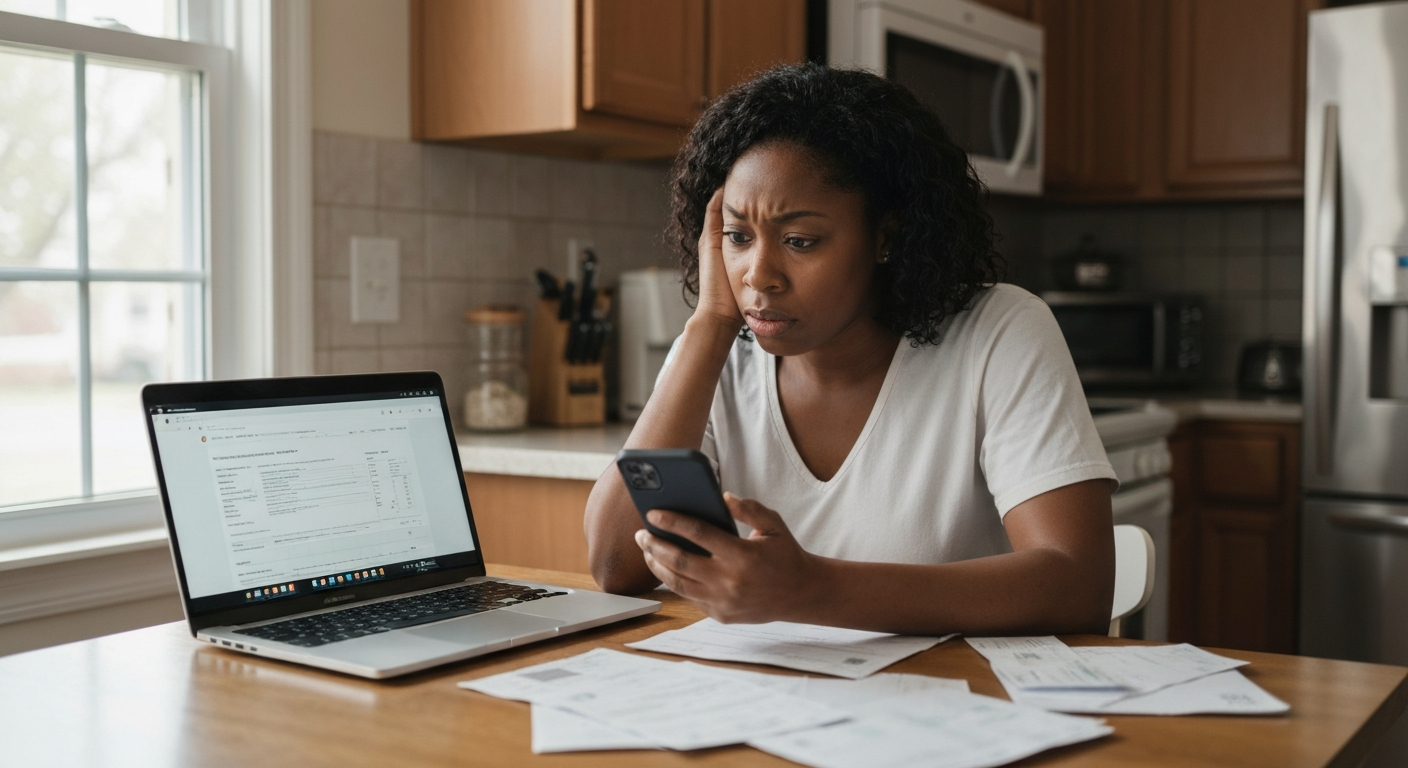

Your child support payment is late this week most likely because of a processing delay at the state disbursement unit (SDU), a bank holiday affecting electronic transfers, a payment hold due to an address or account verification issue, or the paying parent missing or delaying their payment to the agency.
| ✓Our Pick |
Get professional credit repair to protect your finances during payment disruptions One of the highest-rated products in its category — a reliable fix used by thousands of people. Learn More → |
Child support payments pass through multiple systems before reaching your bank account, and a delay at any point in this chain can push your payment back by days or even weeks.
When the paying parent (the non-custodial parent, or NCP) makes a payment—whether through wage garnishment, direct payment, or another method—it doesn't come straight to you. Instead, the payment routes through your state's State Disbursement Unit (SDU), which is federally mandated to process and track all child support payments.
Here's the typical payment path:
| Step | What Happens | Typical Timeline |
|---|---|---|
| 1. Payment collected | Employer withholds from paycheck or NCP pays directly | 1-3 days after payday |
| 2. SDU receives payment | State agency logs and processes the payment | 1-2 business days |
| 3. Disbursement initiated | SDU sends payment via direct deposit or check | 1-3 business days |
| 4. Funds available | Money appears in your account or mailbox | Same day (direct deposit) or 3-7 days (check) |
In California, the California Child Support Services (DCSS) handles this process. In Pennsylvania, it's the Pennsylvania Child Support Enforcement System (PACSES). Each state has its own SDU, and processing times vary.
Federal holidays, state holidays, and bank closures are the most common reason for a one-week delay in child support payments.
When a holiday falls on a Monday (like Presidents Day or Memorial Day), or when banks close for federal observances, the entire payment chain slows down. The SDU can't process disbursements on days when banks aren't operating, and this pushes your payment to the next business day.
In 2026, watch for delays around:
- New Year's Day (January 1)
- Martin Luther King Jr. Day (January 20)
- Presidents Day (February 17)
- Memorial Day (May 25)
- Independence Day (July 4, observed July 3)
- Labor Day (September 7)
- Thanksgiving (November 26)
- Christmas (December 25)
If your payment usually arrives on a Thursday and there was a Monday holiday, the delay makes sense—the processing queue backed up.
Wage garnishment depends on the employer processing payroll on time and forwarding the withheld amount to the SDU within the legally required timeframe.
Employers are typically required to send withheld child support to the SDU within 7 business days of the payday. However, some employers batch these payments weekly or biweekly, which can shift your payment date depending on when the employer's payroll cycle runs.
If the paying parent's employer switched payroll systems, had a staffing issue in their HR department, or simply delayed processing, your payment gets held up through no fault of the paying parent.
"Employers who fail to remit child support payments on time may be subject to penalties, but the immediate impact falls on the custodial parent awaiting funds." — Office of Child Support Services at the Administration for Children & Families
State agencies periodically verify account information, addresses, and identity—and payments are held until verification is complete.
If you recently moved, changed bank accounts, or updated your contact information, the SDU may have placed a temporary hold on your disbursement. This is a security measure to ensure payments reach the correct person.
In California, DCSS may hold payments if:
- Your address doesn't match their records
- Your direct deposit information is being updated
- There's a pending identity verification request
In Pennsylvania, PACSES similarly holds payments when there's an account discrepancy. Check your state's child support portal to see if any action is required from you.
Sometimes the delay isn't a processing issue at all—the non-custodial parent simply didn't pay this pay period.
If the paying parent is self-employed, works inconsistent hours, or makes direct payments rather than having wages garnished, they may have missed or delayed their payment. Job loss, reduced hours, or financial hardship can all cause a paying parent to fall behind.
This is different from a processing delay because the SDU never received the payment in the first place. You can usually see this on your state's payment portal—the expected payment will show as "not received" rather than "processing."
State child support systems occasionally experience technical problems, server outages, or software updates that delay payment processing.
California's DCSS system and Pennsylvania's PACSES both handle millions of transactions monthly. System maintenance, software updates, or unexpected technical issues can slow disbursements by several days.
Check your state's website or social media accounts for service alerts. Many states post notices when their payment systems are experiencing delays. You can also call the customer service line—yes, wait times can be long, but automated messages often announce known system issues.
If either parent has filed to modify the child support order, payments may be temporarily held until the modification is resolved.
When a modification is pending—whether for an increase, decrease, or other change—some states pause disbursements until the court issues a new order. This prevents overpayment or underpayment while the case is being reviewed.
If you've recently received court documents about a modification hearing, this could explain the delay. Contact your local child support office to clarify whether a hold has been placed.
Also Read: Why Is My Sugar High in the Morning? 7 Causes & Fixes
Most states offer online portals where you can track your child support payments in real time, see pending deposits, and identify exactly where a delay is occurring.
Log into the California Child Support Customer Connect portal at childsupport.ca.gov. From your dashboard, you can see:
- Payment history and amounts
- Pending disbursements
- Any holds or verification requests
- Case worker contact information
California also offers a mobile app for real-time notifications.
Pennsylvania's PACSES system is accessible at pacses.pa.gov. Your account shows:
- Detailed payment ledger
- Expected payment dates
- Employer payment submissions
- Case status and any pending actions
Both states offer toll-free customer service numbers, though calling early in the morning typically means shorter wait times.
"The State Disbursement Unit is required to distribute child support payments within two business days of receipt." — National Conference of State Legislatures
Start by checking your state's online portal, then escalate through official channels if the delay extends beyond a week without explanation.
Here's a practical action plan:
If the paying parent is regularly missing payments, your state's child support enforcement office has tools available: wage garnishment orders, tax refund intercepts, license suspensions, and even contempt proceedings for willful non-payment.
Also Read: Why Is My Homestead Cap Zero? 5 Causes Explained
A one-time delay of a few days is usually just a processing hiccup, but repeated late payments or growing arrears signal a problem that requires official intervention.
If your payments are consistently arriving late—week after week—you may need to:
Child support arrears (unpaid amounts) accrue interest in many states, and the paying parent can face serious consequences including passport denial, professional license suspension, and in extreme cases, jail time.
Keep in mind that modifications work both ways: if the paying parent has experienced genuine hardship (job loss, disability), they can petition the court for a reduced payment. Until a modification is granted, however, the full amount remains due.
Also Read: Why Is My Foot Numb? 9 Causes & When to Worry
Late child support payments this week are most commonly caused by bank holidays, processing backlogs at your state's disbursement unit, employer payroll delays, or verification holds on your account. Check your state's online portal first to see if a payment was received and whether any action is required from you. A one-time delay of a few days is usually resolved automatically, but consistent late payments warrant contacting your local child support office and requesting enforcement action if the paying parent is not meeting their obligation.
California child support payments may be late due to processing delays at the Department of Child Support Services (DCSS), bank holidays, or a hold on your account for verification purposes. Log into the California Child Support Customer Connect portal to check your payment status and see if any action is required from you. If the portal shows no payment received from the paying parent, the employer may have delayed submitting the garnished wages.
Pennsylvania child support through PACSES can be delayed by state or federal holidays, employer payroll processing issues, or pending modifications to the support order. The PACSES online portal shows payment history and any holds on your account. If payments are consistently late, you can request enforcement action through your local domestic relations office.
Most child support professionals recommend waiting at least 5-7 business days beyond your usual payment date before escalating. Processing delays of 2-3 days are common, especially around holidays. If a payment is more than a week late with no explanation in your state's portal, call customer service to investigate. Document all late payments in case you need to request enforcement action later.
If a late child support payment creates a financial emergency, you may qualify for temporary assistance through your state's TANF (Temporary Assistance for Needy Families) program or local emergency aid organizations. Some states also offer expedited disbursement in hardship situations. Contact your local Department of Social Services to learn what resources are available while you wait for your payment to process.
If the non-custodial parent consistently pays late or misses payments, enforcement measures escalate progressively. These can include wage garnishment orders, interception of tax refunds, suspension of driver's or professional licenses, denial of passport applications, and ultimately contempt of court proceedings. The custodial parent must typically request enforcement action through the child support agency or court.
Reviewed and Updated on June 9, 2026 by George Wright