Cars

Your butt sweats so much because the gluteal region contains a high concentration of eccrine sweat glands, sits on a dense layer of fat that retains heat, and is often compressed against non-breathable surfaces — creating a perfect storm of heat, pressure, and moisture that triggers excessive perspiration.
Beyond normal sweating, factors like tight synthetic clothing, prolonged sitting, excess body weight, hormonal fluctuations, anxiety, and a condition called hyperhidrosis can all make butt sweat worse. The good news: understanding why your bum is always sweaty is the first step toward keeping it dry, comfortable, and odor-free.
Your gluteal area sweats more than most body parts because of its unique anatomy — it has all the ingredients for a moisture factory.
The human body has between 2 and 4 million sweat glands, and a significant number of them are concentrated in areas where skin folds or presses together. Your buttocks check every box: they're covered by thick subcutaneous fat (which insulates heat), they press against seats for hours at a time, and they rarely get airflow.
When you sit, your body weight compresses the tissue, reducing blood circulation and trapping heat between your skin and whatever surface you're sitting on. Your sweat glands respond by producing moisture to cool the area down — but because there's nowhere for that moisture to evaporate, it pools. The result is that clammy, uncomfortable feeling you know all too well.
"Eccrine glands are present over the entire body but are highest in density on the palms, soles, and forehead. However, body regions that experience occlusion — like the groin and gluteal fold — are prone to moisture accumulation due to limited evaporation." — Dr. Adam Friedman at George Washington University School of Medicine
This is completely normal physiology. Your body is doing exactly what it's supposed to do. But when butt sweat becomes excessive or disruptive to your daily life, other factors are usually at play.
From lifestyle habits to medical conditions, several factors can push normal gluteal sweating into uncomfortable territory.
Synthetic fabrics like polyester, nylon, and spandex don't breathe well. They trap heat against your skin and prevent sweat from evaporating, which signals your body to produce even more perspiration. Tight underwear and pants compress the gluteal fold, making things worse.
Cotton underwear absorbs sweat but stays wet, which can lead to chafing. The best option is moisture-wicking fabric designed to pull sweat away from your skin and allow it to evaporate.
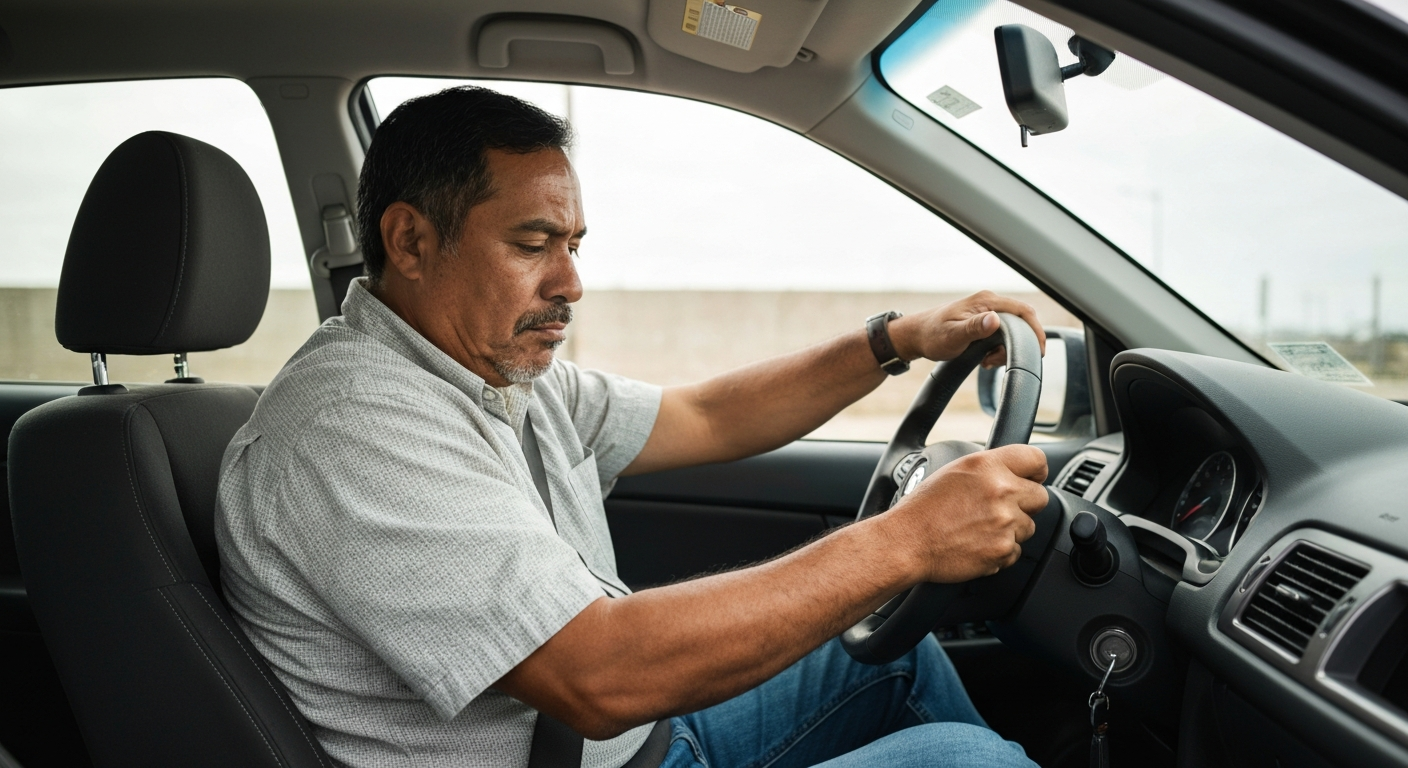
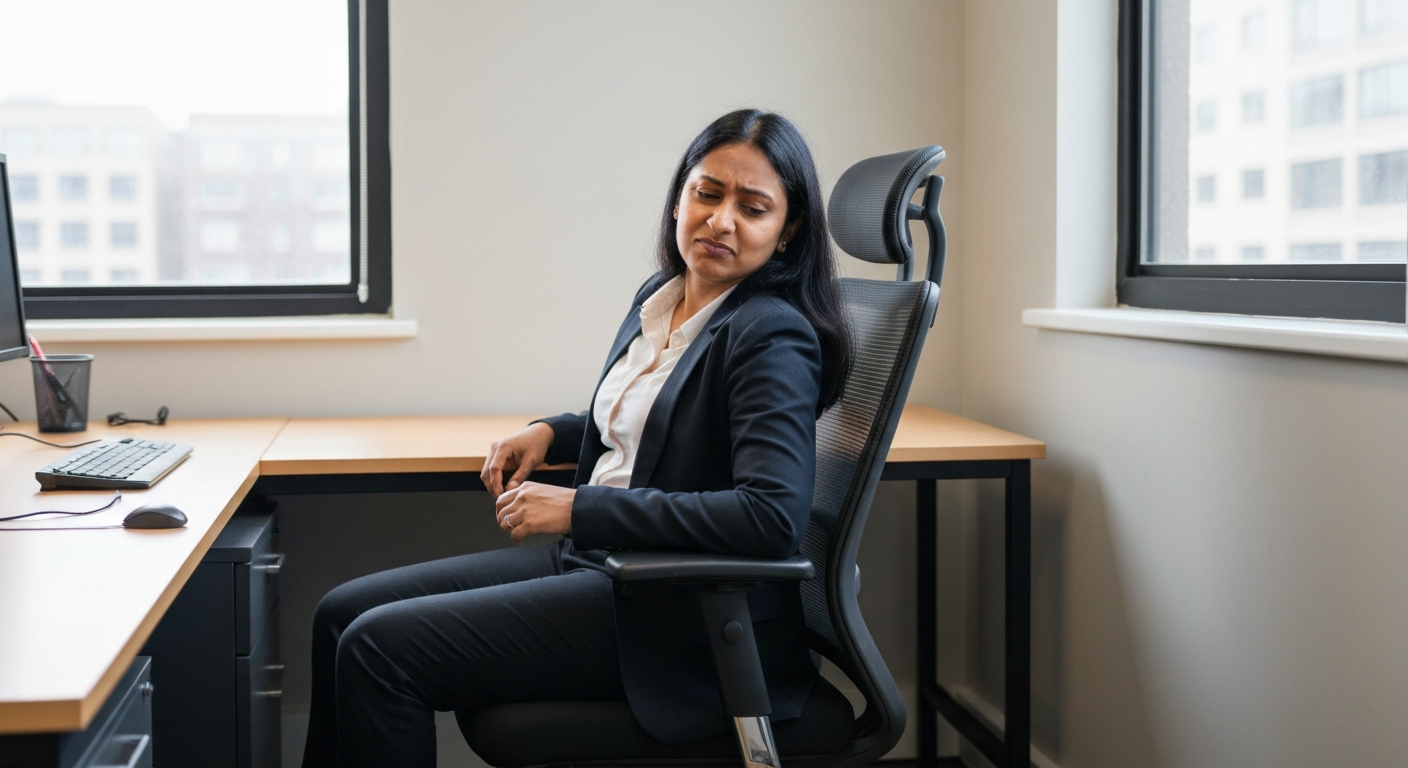
Yes — prolonged sitting is one of the biggest contributors to excessive butt sweating. When you sit for hours at a desk, in a car, or on a couch, your body weight presses your gluteal tissue against a surface that doesn't breathe. Heat builds up with nowhere to go, and your sweat glands work overtime.
Office chairs with vinyl or leather seats are particularly problematic. Mesh chairs or seat cushions with ventilation channels can make a noticeable difference.
Carrying extra weight means more insulating tissue and more skin-on-skin contact in the gluteal fold. This creates additional friction, heat, and moisture. People with higher body mass also tend to sweat more overall because their bodies work harder to regulate temperature.
Hormonal changes during menstruation, pregnancy, perimenopause, and menopause can trigger increased sweating throughout the body, including the buttocks. Thyroid disorders — particularly hyperthyroidism — can also cause excessive perspiration.
If you've noticed your butt is always sweaty and it coincided with other hormonal symptoms (hot flashes, irregular periods, unexplained weight changes), it's worth discussing with your doctor.
Also Read: Why Is My Breast Shrinking? 8 Causes & What to Do
Stress and anxiety activate your sympathetic nervous system (the "fight or flight" response), which triggers sweating as part of your body's preparation to respond to a perceived threat. This stress-induced sweating can affect any part of the body, including your buttocks.
If you notice your butt sweats more during high-pressure situations — meetings, dates, public speaking — anxiety may be a contributing factor.
Hyperhidrosis is a medical condition characterized by excessive sweating that goes beyond what's needed for temperature regulation. While it most commonly affects the palms, soles, and underarms, it can occur anywhere on the body, including the gluteal region.
"Primary focal hyperhidrosis affects 2–3% of the population, yet less than 40% of patients with this condition seek medical advice. When sweating is bilateral, symmetric, and occurs at least weekly without an identifiable cause, hyperhidrosis should be considered." — International Hyperhidrosis Society
If your butt sweating is severe, happens regardless of temperature or activity level, and interferes with your daily life, you may have focal or generalized hyperhidrosis.
Spicy foods, caffeine, and alcohol can all increase sweating by raising your body temperature or stimulating your nervous system. Certain medications — including some antidepressants, blood pressure drugs, and diabetes medications — list excessive sweating as a side effect.
| ✓Our Pick |
Moisture-wicking underwear and anti-chafing products for sweat control Simple to use and genuinely effective — for many people this is all they ever needed. See on Amazon → |
Not all moisture in the gluteal area is sweat — sometimes the cause is something else entirely.
| Symptom | Likely Cause | Key Difference |
|---|---|---|
| Clear, odorless moisture | Normal eccrine sweat | No irritation or discharge |
| Moisture with strong odor | Bacterial overgrowth or apocrine sweat | May need antibacterial treatment |
| Itching with moisture | Fungal infection (intertrigo) | Red, irritated skin in folds |
| Discharge from anus | Hemorrhoids, fissures, or fistula | Blood or mucus present |
| Oily residue after eating | Steatorrhea (fat malabsorption) | Often diet or medication related |
If you're experiencing symptoms beyond simple sweating — like itching, odor, discharge, or skin changes — the cause may not be hyperhidrosis at all. Conditions like intertrigo (a fungal/yeast infection in skin folds) can mimic excessive sweating but require antifungal treatment rather than sweat management.
You can significantly reduce gluteal sweating with the right combination of clothing choices, hygiene habits, and targeted products.
Swap synthetic underwear for moisture-wicking options made from bamboo, merino wool, or technical athletic fabrics. These materials pull sweat away from your skin and allow it to evaporate. Look for underwear with mesh panels or ventilation zones designed for the gluteal area.
Yes, you can use antiperspirant on your butt. Aluminum-based antiperspirants work by temporarily blocking sweat glands, and they're safe for use on most body parts. Apply to clean, dry skin before bed (this gives the active ingredients time to absorb). Stick or roll-on formulas work best; avoid aerosol sprays, which can irritate sensitive skin.
Body powders — especially those containing cornstarch, kaolin clay, or zinc oxide — absorb moisture and reduce friction. Apply after showering and reapply as needed throughout the day. Avoid talc-based powders if you're concerned about potential health risks.
Stand up every 30 to 60 minutes to let air circulate around your gluteal area. Even a quick walk to the water cooler gives your sweat glands a chance to reset. If your job involves prolonged sitting, consider a standing desk or an office chair with a mesh seat.
Sweat itself is mostly odorless, but when it mixes with bacteria on your skin, odor develops quickly. Shower as soon as possible after working out, and always change into clean, dry underwear. Sitting in sweaty clothes extends the moisture exposure and increases your risk of bacterial or fungal overgrowth.
If over-the-counter options aren't enough, talk to a dermatologist about prescription-strength antiperspirants, oral medications (like glycopyrrolate), or Botox injections. Botox temporarily blocks the nerve signals that trigger sweating and can be effective for focal hyperhidrosis.
Most butt sweat is normal, but certain signs warrant medical attention.
See a healthcare provider if:
Your doctor can evaluate whether an underlying condition — like hyperhidrosis, a thyroid disorder, or an infection — is causing your symptoms. They may recommend prescription treatments, refer you to a dermatologist, or order blood tests to rule out hormonal imbalances.
Also Read: Why Is My Body Warm but Feet Are Cold? 8 Causes & Fixes
Excessive butt sweat happens because the gluteal area traps heat, presses against surfaces, and has limited airflow — but lifestyle factors, clothing choices, hormones, anxiety, and hyperhidrosis can all make it worse. Switching to moisture-wicking underwear, using antiperspirant or body powder, taking standing breaks, and showering promptly after exercise can significantly reduce sweating. If home remedies don't help or your symptoms are severe, see a doctor to rule out underlying conditions and discuss clinical-strength treatments.
Sweating isn't always about external temperature — it can be triggered by pressure, clothing, hormones, stress, or medical conditions like hyperhidrosis. If you're sitting on a non-breathable surface or wearing synthetic underwear, your butt will sweat even in cool weather. Anxiety can also trigger sweating regardless of ambient temperature.
Yes. Prolonged moisture in the gluteal fold can lead to intertrigo (a fungal or bacterial skin infection), heat rash, chafing, and folliculitis (inflamed hair follicles). Keeping the area dry, wearing breathable fabrics, and using anti-chafing products can prevent these complications.
Some sweating during sleep is normal, especially if your bedroom is warm or you use heavy blankets. However, if you regularly wake up with a soaked gluteal area or sweat through your sheets, it could indicate night sweats — which may be linked to hormones, medications, or infections. Persistent night sweats warrant a conversation with your doctor.
It can help. Excess body weight means more insulating tissue and more skin-on-skin contact, both of which contribute to sweating. Losing weight reduces the overall heat your body needs to dissipate and decreases friction in the gluteal fold. That said, even lean individuals can experience excessive butt sweat due to genetics, clothing, or hyperhidrosis.
Spicy foods, caffeine, and alcohol are known sweat triggers. Capsaicin (the compound that makes peppers hot) directly stimulates sweating, while caffeine and alcohol raise your core body temperature and stimulate your nervous system. If you notice your butt sweats more after certain meals, try reducing these foods to see if it helps.
Reviewed and Updated on June 2, 2026 by George Wright