
Dogs
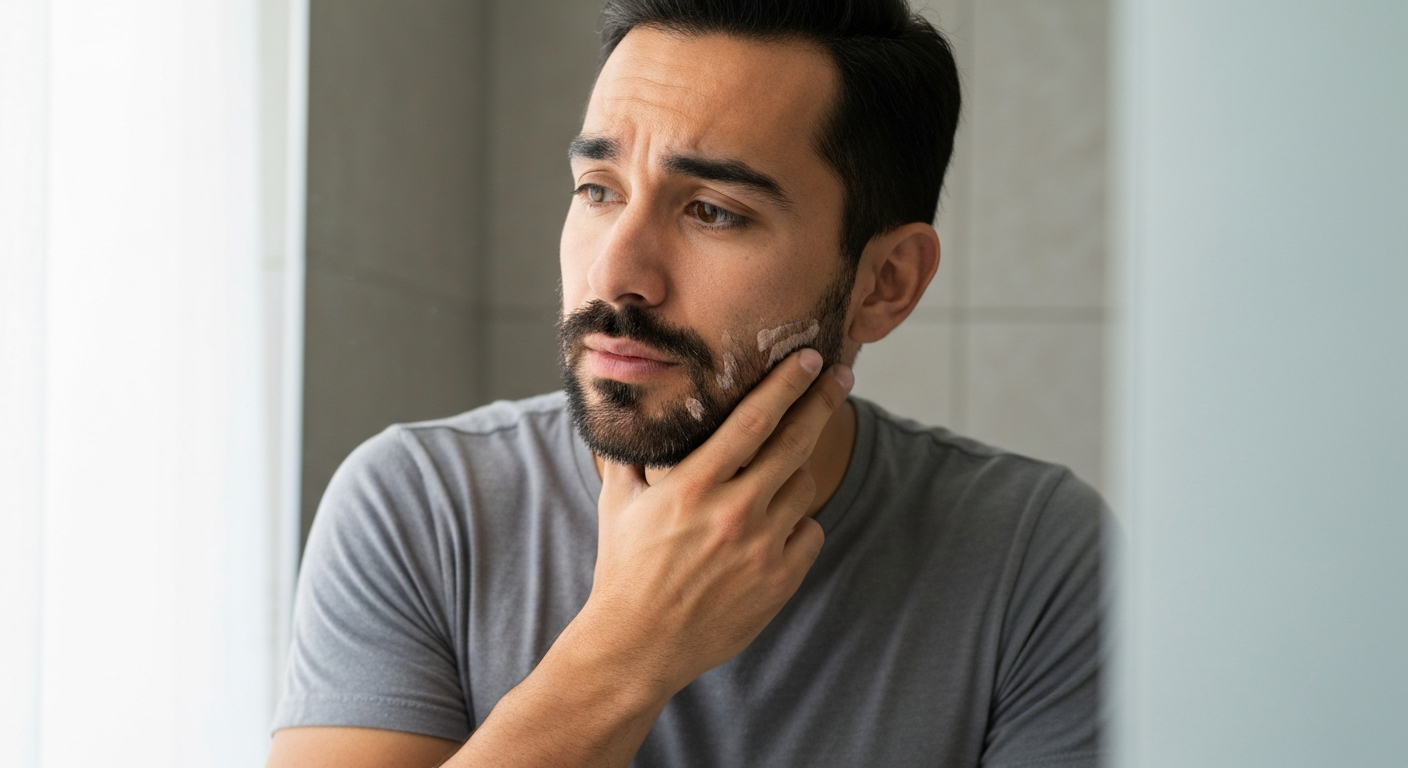

Your beard is patchy because of genetics, hormonal imbalances, or lifestyle factors that affect how hair follicles develop and grow across your face. Most men experience some degree of patchiness, especially in their teens and twenties, because facial hair follicles mature at different rates in different areas. The good news: understanding the root cause helps you target the right fix, and many patches fill in naturally with time.
Patchy beard growth stems from uneven follicle activation across your face — some areas simply have fewer active follicles or follicles that respond less strongly to androgens.
Your face contains thousands of hair follicles, but not all of them are programmed to produce thick terminal hairs. The transition from fine vellus hair (peach fuzz) to coarse beard hair depends on androgen sensitivity, blood flow, and genetic expression. When these factors vary across your cheeks, chin, and jawline, you get patches.
Genetics is the single biggest factor in beard density and pattern. If your father or grandfather had patchy beards, you're more likely to have one too. Your DNA determines how many androgen receptors each follicle has and how sensitive those receptors are to testosterone and DHT (dihydrotestosterone).
"Beard growth patterns are largely determined by genetics. The density and distribution of facial hair follicles, as well as their sensitivity to androgens, are inherited traits." — Dr. Alan Bauman at Bauman Medical
This genetic programming explains why some men grow full beards at 18 while others still have patches at 30. It also explains why certain ethnic groups tend toward denser or sparser facial hair — it's all coded in your DNA.
Age plays a significant role in beard fullness. Most men don't reach their full beard potential until their late twenties or early thirties. Facial hair follicles continue maturing well into adulthood, which means those patches you see at 22 may fill in naturally over the next decade.
The maturation process works like this: testosterone converts to DHT, which binds to receptors in hair follicles. Over time, repeated exposure causes vellus hairs to transition into terminal hairs. This process happens at different speeds across your face.
Low testosterone or DHT levels can absolutely contribute to patchy growth. DHT is the hormone directly responsible for facial hair development, and insufficient levels mean some follicles never fully activate.
Signs of hormonal imbalance include:
- Fatigue and low energy
- Decreased muscle mass
- Mood changes or irritability
- Reduced libido
- Difficulty building muscle despite exercise
If you suspect a hormonal issue, a simple blood test can check your testosterone and DHT levels. Many men find that addressing underlying hormonal imbalances improves beard growth alongside other symptoms.
Also Read: Why Is My HRV Low? 9 Causes & How to Raise It
Poor nutrition, chronic stress, and inadequate sleep can all suppress the hormonal signals your follicles need to produce thick beard hair.
Your beard is essentially a reflection of your overall health. When your body is under stress or lacking essential nutrients, it prioritizes vital functions over hair growth. This biological triage can leave your facial hair looking thin and uneven.
Absolutely. Your follicles need specific nutrients to produce healthy hair:
| Nutrient | Role in Beard Growth | Best Sources |
|---|---|---|
| Protein | Provides keratin building blocks | Eggs, lean meat, fish, legumes |
| Biotin (B7) | Supports keratin production | Eggs, nuts, sweet potatoes |
| Zinc | Aids testosterone production | Oysters, beef, pumpkin seeds |
| Vitamin D | Activates hair follicles | Sunlight, fatty fish, fortified foods |
| Iron | Delivers oxygen to follicles | Red meat, spinach, lentils |
Deficiencies in any of these can slow beard growth or make existing patches more noticeable. A balanced diet rich in these nutrients supports optimal follicle function.
Chronic stress elevates cortisol, which directly interferes with testosterone production. High cortisol also triggers telogen effluvium — a condition where hair follicles prematurely enter the resting phase and stop producing new growth.
"Chronic stress can disrupt the hair growth cycle by pushing follicles into the telogen (resting) phase prematurely. This affects all body hair, including facial hair." — American Academy of Dermatology
Managing stress through exercise, adequate sleep, and relaxation techniques can help normalize your hormonal balance and support healthier beard growth.
Sleep is when your body produces most of its testosterone. Consistently getting fewer than seven hours reduces testosterone levels and impairs the cellular repair processes that support hair growth. One study found that men sleeping five hours per night had testosterone levels 10-15% lower than those sleeping eight hours.
Certain skin conditions and autoimmune disorders specifically target hair follicles, creating distinct patches that won't fill in without treatment.
Alopecia areata is an autoimmune condition where your immune system mistakenly attacks hair follicles. It creates smooth, circular patches that are completely bald — no stubble, no fine hairs, just bare skin.
Key differences from normal patchiness:
- Patches are perfectly round or oval
- Skin in patches is completely smooth
- Patches may appear suddenly
- May affect other body hair too
If you notice these characteristics, see a dermatologist. Alopecia areata is treatable with corticosteroid injections, topical immunotherapy, or other medications.
Also Read: Why Is My Fingers Peeling? 11 Causes & How to Fix It
Several skin conditions affect beard growth:
These conditions typically come with additional symptoms like redness, itching, flaking, or tenderness. Treating the underlying skin issue often restores normal beard growth.
The right fix depends on your specific cause — genetics requires patience and styling strategies, while nutritional deficiencies respond to dietary changes and supplementation.
Minoxidil (the active ingredient in Rogaine) has shown promising results for beard growth, though it's technically an off-label use. It works by increasing blood flow to follicles and prolonging the growth phase of the hair cycle.
Application protocol for beard use:
1. Apply 5% minoxidil solution twice daily
2. Use a small amount (0.5-1 ml) per application
3. Let it dry completely before touching your face
4. Continue for at least 3-6 months before judging results
5. Moisturize, as minoxidil can dry your skin
Results vary significantly. Some men see dramatic improvement; others notice minimal change. Side effects can include skin irritation, unwanted facial hair growth in women who touch the treated area, and temporary increased shedding.
Microneedling (dermarolling) creates tiny punctures in the skin that trigger a healing response. This process increases collagen production and blood flow while potentially activating dormant follicles.
For beard growth, use a derma roller with 0.5mm needles once or twice weekly. Some men combine microneedling with minoxidil, applying the solution after treatment for enhanced absorption. Always sanitize your derma roller before each use.
Supplements can help if you have actual deficiencies, but they won't override genetics. A daily multivitamin covering biotin, zinc, and vitamin D addresses common gaps. Specialized "beard vitamins" typically contain these same nutrients at marked-up prices.
Before spending money on supplements, consider getting blood work to identify any actual deficiencies. Supplementing nutrients you already have enough of won't improve beard growth.
| ✓Our Pick |
Clinically backed supplements for men's health This is what many people find solves the problem quickly, without a costly professional visit. Learn More → |
Strategic grooming can make existing patches far less noticeable while you wait for follicles to mature or treatments to work.
Different patch patterns call for different approaches:
| Patch Location | Best Style | Why It Works |
|---|---|---|
| Cheeks | Short stubble or goatee | Keeps attention on chin and jawline |
| Chin | Extended goatee or Van Dyke | Frames face without relying on chin |
| Jawline | Full beard grown longer | Length blurs patchy areas |
| All over | Heavy stubble (3-5mm) | Uniform length minimizes contrast |
The key principle: keep patchy areas shorter and fuller areas slightly longer to create visual balance. A skilled barber can help you find the most flattering shape.
Sometimes, yes. Longer beard hair can cover underlying patches, especially on the cheeks. However, this only works if you have enough surrounding growth to create coverage. If your beard is patchy everywhere, growing it longer may just emphasize the problem.
Give your beard at least 4-6 weeks of uninterrupted growth before judging its potential. Many men give up too early, trimming before their beard has a chance to fill in naturally.
Sudden changes in your beard pattern, patches accompanied by skin symptoms, or patches that worsen despite healthy habits warrant medical evaluation.
See a dermatologist if:
- Patches appear suddenly after years of normal growth
- Patches are perfectly smooth with no stubble
- You notice redness, scaling, itching, or tenderness
- Patches spread or grow larger over time
- You have other unexplained hair loss on your body
- You experience symptoms of hormonal imbalance
A doctor can rule out medical conditions, check hormone levels, and prescribe treatments like minoxidil or corticosteroids if appropriate. For alopecia areata specifically, early treatment often leads to better outcomes.
Patchy beards usually result from genetics, age, hormones, or lifestyle factors — and most patches improve with time, targeted nutrition, and proper grooming. Treatments like minoxidil can help some men, but results depend on individual biology. If patches appear suddenly or come with skin symptoms, see a dermatologist to rule out conditions like alopecia areata.
Beard maturation continues through your late twenties and even into your thirties. Your dad likely had similar patches at 25 that filled in over time. Genetics determines your eventual beard potential, not your current growth — patience is often the most effective strategy.
No, shaving has no effect on hair thickness, density, or growth rate. This myth persists because freshly cut hair has a blunt tip that feels coarser, but the hair itself hasn't changed. Your follicles don't know or respond to whether hair has been cut.
Only if you have clinically low testosterone. Taking testosterone when your levels are normal won't increase beard growth and can cause serious side effects including testicular shrinkage and cardiovascular risks. Always get blood work before considering hormone supplementation.
Give your beard at least 90 days of consistent growth before judging its potential. Many patches that seem permanent at week two are covered by week eight. If you're under 30, check in again in a few years — follicle maturation continues well into adulthood.
Beard transplants (harvesting hair from your scalp and implanting it in your face) can work for permanent patches, but they're expensive ($5,000-$15,000), require multiple sessions, and results take 9-12 months to fully show. Most dermatologists recommend exhausting other options first.
Reviewed and Updated on June 12, 2026 by George Wright