
Health
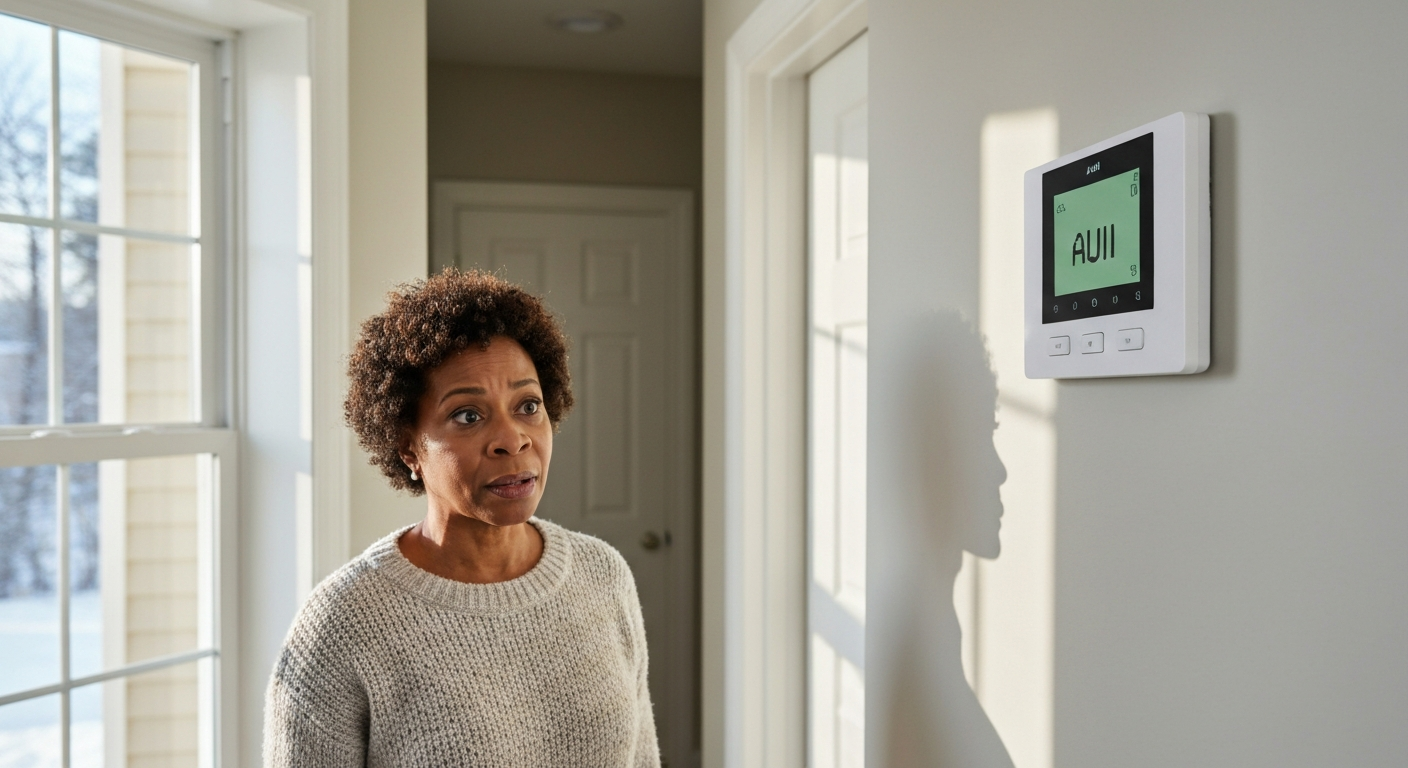

Your auxiliary heat is on because your heat pump can't keep up with the heating demand — either the outdoor temperature has dropped too low for efficient heat pump operation, you've raised the thermostat setting too quickly, or there's a system issue preventing your primary heat from working properly.
Auxiliary heat (often displayed as "aux heat" on your thermostat) is a backup heating system built into heat pump setups. It kicks in automatically when conditions overwhelm your heat pump's capacity. While this is sometimes normal and expected, aux heat running frequently or continuously can triple your electricity bill, so understanding why it's activating — and when to be concerned — matters for both your comfort and your wallet.
| ✓Our Pick |
Programmable smart thermostat for heat pump systems A well-reviewed choice that delivers real results — worth every penny for anyone dealing with this. See on Amazon → |
Auxiliary heat is an electric resistance heating element (like a giant space heater) that supplements your heat pump when it can't extract enough warmth from the outdoor air.
Heat pumps work by transferring heat from outside air into your home. This process becomes less efficient as outdoor temperatures drop. When the heat pump can no longer keep pace with your thermostat's demand, the aux heat strips activate to bridge the gap.
Here's the key distinction many homeowners miss: auxiliary heat and emergency heat are not the same thing. Auxiliary heat turns on automatically alongside your heat pump during high-demand periods. Emergency heat (often labeled "EM heat") is a manual override that shuts down your heat pump entirely and relies solely on the backup heating elements.
"Auxiliary heat is designed to supplement the heat pump during cold weather, while emergency heat bypasses the heat pump completely and should only be used when the heat pump has failed." — U.S. Department of Energy
The electric resistance strips in aux heat systems consume two to three times more electricity than a heat pump operating normally. That's why your utility bill can spike dramatically during cold snaps when aux heat runs frequently.
Your aux heat activates for a combination of weather conditions, thermostat settings, and potential system malfunctions — some are normal, others signal problems that need attention.
Every heat pump has a "balance point" — the outdoor temperature at which it can no longer extract enough heat to meet your home's needs. For most systems, this falls between 25°F and 40°F, depending on the model and your home's insulation.
When temperatures drop below this threshold, your thermostat automatically engages aux heat to make up the difference. This is completely normal operation during genuinely cold weather.
| Outdoor Temperature | Heat Pump Efficiency | Aux Heat Behavior |
|---|---|---|
| Above 40°F | 100% efficient | Should not activate |
| 30-40°F | 75-90% efficient | May activate briefly |
| 25-30°F | 50-75% efficient | Activates frequently |
| Below 25°F | Below 50% efficient | Runs continuously with heat pump |
Most thermostats activate aux heat when there's a difference of 2-3°F or more between your current room temperature and the thermostat setting. This happens because heat pumps warm air gradually — about 2°F per hour under normal conditions.
If you come home to a cold house and crank the thermostat from 62°F to 72°F, the system sees a 10-degree gap it can't close quickly with the heat pump alone. The aux heat kicks in to speed up the process.
The fix is simple: raise your thermostat in 2-degree increments, or use a programmable thermostat that gradually adjusts temperatures before you arrive home.
A thin layer of frost on your outdoor unit during cold weather is normal — heat pumps have a defrost cycle that periodically reverses operation to melt accumulated ice. However, if your unit is encased in heavy ice, the defrost cycle can't keep up, and your heat pump's efficiency plummets.
Common causes of excessive icing include:
When heavy icing occurs, your thermostat detects the heat pump isn't producing adequate warmth and calls for aux heat to compensate.
Also Read: Why Is My House So Dry? 7 Causes & How to Fix It
A thermostat that reads room temperature inaccurately can trigger aux heat unnecessarily. If your thermostat thinks the room is 65°F when it's actually 68°F, it calculates a larger heating gap than exists and engages aux heat to close it faster.
Thermostat calibration issues often stem from:
You can test calibration by placing a separate thermometer next to your thermostat for 15 minutes and comparing readings.
Refrigerant is the substance that absorbs and transfers heat in your heat pump system. When refrigerant levels drop due to a leak or improper charging, your heat pump's ability to extract warmth from outdoor air decreases significantly.
Signs of low refrigerant include:
Low refrigerant requires professional diagnosis and repair — this isn't a DIY fix. A licensed HVAC technician can locate the leak, repair it, and recharge the system properly.
A dirty air filter forces your heat pump to work harder by restricting airflow through the system. When the heat pump can't circulate enough warm air to satisfy the thermostat, aux heat activates to compensate.
"A clogged filter can reduce a heat pump's efficiency by 5-15 percent. Checking your filter monthly, especially during heavy use, is one of the simplest maintenance tasks with the biggest impact." — ENERGY STAR
Replace disposable filters every 1-3 months during heating season. If you have a reusable filter, clean it according to the manufacturer's instructions.
Leaky ductwork can lose 20-30% of the air moving through your system, according to the Department of Energy. If heated air escapes before reaching your living spaces, your thermostat never registers satisfaction, and aux heat runs longer trying to close the gap.
Ducts running through unconditioned spaces like attics, crawlspaces, or garages are especially vulnerable. Without proper insulation, the air inside cools before reaching its destination.
Signs of ductwork problems include:
Brief aux heat activation during extreme cold or after large thermostat adjustments is expected — but if aux heat runs for hours or appears when outdoor temperatures are above 35-40°F, something is wrong.
Normal auxiliary heat behavior:
Problematic auxiliary heat behavior:
If aux heat runs problematically, your monthly electricity bill can increase by 30-50% or more compared to normal heat pump operation.
Also Read: Why Is My Second Floor So Hot in the Winter? 7 Causes & Fixes
Preventing excessive aux heat usage involves a combination of smart thermostat habits, regular maintenance, and addressing any underlying system issues.
Start with these immediate steps:
For longer-term solutions:
If your aux heat runs constantly, your heat pump makes unusual noises, or you see ice buildup that doesn't clear during defrost cycles, schedule a service call promptly.
Specific situations that require professional diagnosis:
A qualified HVAC technician can test refrigerant pressure, inspect electrical components, evaluate defrost operation, and determine whether repairs or system replacement make the most financial sense for your situation.
Your auxiliary heat activates when your heat pump can't meet heating demand on its own — most commonly due to very cold outdoor temperatures, large thermostat adjustments, or system issues like iced coils, low refrigerant, or dirty filters. Brief aux heat operation during extreme cold is normal, but constant activation signals a problem worth investigating. Check your filter, clear the outdoor unit, adjust temperatures gradually, and call a technician if aux heat runs for hours or appears when temperatures are above 35-40°F.
If your aux heat activates when outdoor temperatures are above 35-40°F, your system likely has an issue preventing normal heat pump operation. Common culprits include low refrigerant, a faulty defrost cycle, thermostat calibration problems, or a dirty air filter restricting airflow. The thermostat engages aux heat when it detects the heat pump isn't warming your home fast enough, regardless of why that's happening.
Running aux heat constantly won't damage your system, but it will dramatically increase your electricity costs. Electric resistance heating consumes two to three times more energy than heat pump operation. If your aux heat runs all the time, you're essentially paying to operate a giant space heater instead of benefiting from your heat pump's efficiency.
Most thermostats don't have a direct "aux heat off" button, but you can minimize its activation by keeping thermostat adjustments small and gradual. Some smart thermostats offer an "aux heat lockout" temperature setting that prevents aux heat from engaging above a certain outdoor temperature. However, completely disabling aux heat isn't recommended — it exists to prevent your heat pump from running continuously without ever reaching the set temperature.
Auxiliary heat turns on automatically alongside your heat pump when extra heating capacity is needed. Emergency heat is a manual setting that completely bypasses your heat pump and relies solely on the backup electric resistance strips. You should only use emergency heat if your heat pump has failed entirely — it's not designed for regular use and will significantly increase your energy bills.
Auxiliary heat typically costs 2-3 times more per hour than heat pump operation. The exact difference depends on your local electricity rates and your system's efficiency, but homeowners commonly report 30-50% higher monthly bills during periods of heavy aux heat use. Keeping your heat pump well-maintained and your home well-insulated minimizes aux heat reliance and keeps costs in check.
Reviewed and Updated on May 24, 2026 by George Wright