
Technology
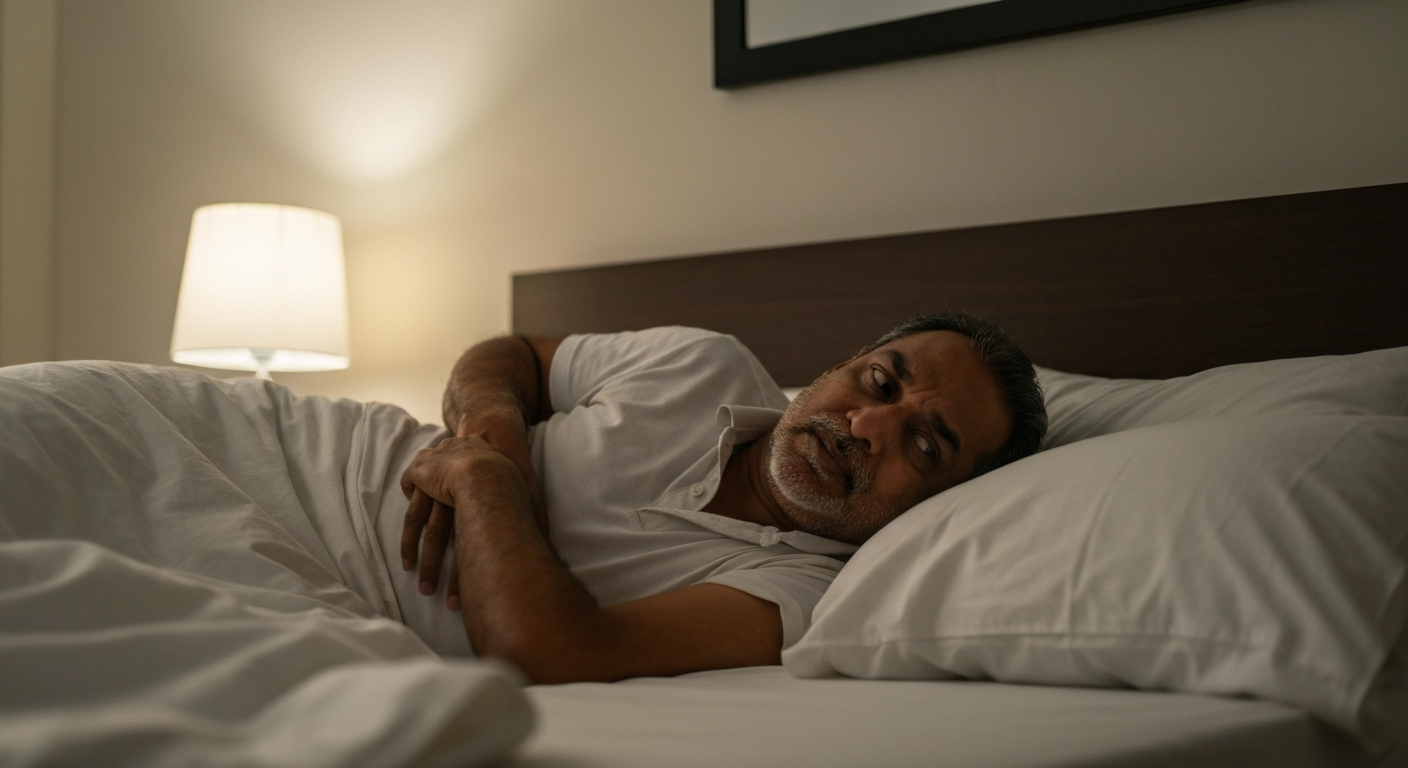

A wet or moist anus at night is usually caused by normal mucus secretion, sweating in the perianal area, minor fecal leakage, or hemorrhoids—and in most cases, it's nothing to worry about but worth understanding so you can address it.
Waking up to moisture around the anus is more common than you might think, and it can feel awkward to even search for answers. The good news: your body produces mucus in the anal canal as part of normal digestive function, and this can feel more noticeable at night when you're lying still. Add body heat trapped under blankets, normal sweating, or a minor digestive issue, and you have a recipe for that damp sensation. Let's walk through the most likely causes and what you can actually do about them.
The anal canal contains mucus-producing cells that keep stool moving smoothly, and this natural lubrication can accumulate overnight when you're not active.
Your anus isn't designed to be completely dry. The rectum and anal canal produce mucus continuously—it's how your body ensures bowel movements pass without friction or damage to delicate tissue. During the day, movement and gravity help distribute this mucus. At night, when you're horizontal and still for hours, that moisture can pool near the anal opening.
Several factors can increase nighttime anal wetness:
"The anal glands secrete a small amount of mucus to facilitate defecation. In some individuals, this mucus production may be more pronounced." — Dr. John Pemberton at Mayo Clinic
Absolutely. The perianal area has a high concentration of sweat glands, and nighttime conditions—warm bedding, non-breathable pajamas, or sleeping on your back—can trap heat and moisture. If you tend to sleep hot or use synthetic bedding, sweat may be the primary culprit rather than any internal issue.
Yes. Some people naturally produce more anal mucus than others, and this varies with diet, hydration, and digestive patterns. If the moisture is clear or slightly cloudy, odorless, and not accompanied by blood, pain, or itching, it's likely within the normal range.
Hemorrhoids—swollen blood vessels in the anal canal—are one of the most common causes of increased anal moisture, and they affect nearly half of adults by age 50.
Internal hemorrhoids, in particular, can produce mucus that leaks out and causes a wet sensation. They may also make it harder for your sphincter to fully close, allowing tiny amounts of stool or mucus to escape. External hemorrhoids can weep fluid, especially if they become irritated or thrombosed.
Signs that hemorrhoids might be causing your nighttime moisture include:
| Symptom | What It Suggests |
|---|---|
| Clear or slightly bloody mucus | Internal hemorrhoid irritation |
| Itching around the anus | Mucus irritating the skin |
| Feeling of incomplete evacuation | Prolapsing hemorrhoid |
| Visible lumps near the anal opening | External hemorrhoids |
| Moisture that worsens after straining | Hemorrhoid-related leakage |
If hemorrhoids are the cause, the moisture is usually manageable with over-the-counter treatments, dietary changes (more fiber and water), and avoiding prolonged sitting or straining during bowel movements.
Also Read: Why Is My Tailbone Sore? 8 Causes & What Actually Helps
Small amounts of stool leaking during sleep—known as passive fecal incontinence—can occur when the anal sphincter relaxes too much or when stool consistency is too loose.
This isn't the same as full bowel accidents. Many people experience minor fecal soiling without realizing it, especially if the leakage is small and absorbed by underwear or bedding. It can be caused by:
"Fecal incontinence affects up to 18% of the general population and is often underreported due to embarrassment." — American Gastroenterological Association
If you notice a fecal odor along with the wetness, or if you find small stool stains on your underwear, this is worth discussing with a doctor. Treatments exist—from pelvic floor exercises (Kegels) to dietary adjustments to, in some cases, biofeedback therapy.
| ✓Our Pick |
Clinically backed digestive and gut-health supplements Backed by strong customer feedback — the most recommended solution in forums and Q&A communities. Learn More → |
What you eat directly affects mucus production, stool consistency, and anal secretions—and some common foods make nighttime wetness more likely.
Certain foods and drinks stimulate mucus production in the digestive tract. Others loosen stools or irritate the bowel. If your anal moisture seems to come and go, your diet might be the variable.
Common dietary triggers include:
If you ate a spicy meal or drank alcohol before bed, that wet feeling may simply be your digestive system's response.
Dehydration can concentrate stool and cause constipation, which paradoxically leads to leakage when liquid stool seeps around hard fecal matter. Adequate hydration keeps stool at a normal consistency, reducing both constipation and the mucus your body produces to compensate.
Anal moisture can also stem from skin conditions like pruritus ani, fungal infections, or bacterial overgrowth that cause weeping or discharge.
The perianal skin is sensitive, and moisture trapped against it can lead to irritation, which then causes more moisture—a frustrating cycle. Conditions that affect this area include:
If the moisture is accompanied by itching, burning, redness, or an unusual odor, a skin condition or infection may be responsible. Antifungal creams, barrier ointments, or medicated powders often resolve these issues.
Also Read: Why Is My Finger Peeling? 9 Causes & What to Do
While most causes of nighttime anal wetness are benign, certain symptoms warrant prompt medical attention.
Anal discharge can occasionally indicate conditions that require treatment, including:
| Condition | Associated Symptoms |
|---|---|
| Anal fistula | Chronic discharge, pain, swelling near the anus |
| Anal abscess | Painful lump, fever, pus drainage |
| Inflammatory bowel disease (IBD) | Blood in stool, cramping, weight loss |
| Sexually transmitted infections | Unusual discharge, pain, lesions |
| Rectal prolapse | Tissue protruding from the anus, incontinence |
| Colorectal cancer | Blood, mucus, changes in bowel habits, unexplained weight loss |
If your anal moisture is accompanied by blood, pus, fever, significant pain, or changes in bowel habits lasting more than a few weeks, see a healthcare provider. These symptoms don't automatically mean something severe, but they deserve evaluation.
Simple hygiene and lifestyle changes can significantly reduce nighttime anal wetness for most people.
Before assuming you need medical treatment, try these practical steps:
If hemorrhoids are contributing, over-the-counter treatments like witch hazel pads or hydrocortisone cream can help reduce inflammation and mucus production.
Occasional anal moisture that responds to basic hygiene measures is normal, but persistent or worsening symptoms deserve professional evaluation.
Make an appointment with a healthcare provider if you experience:
Your doctor may perform a physical exam, order stool tests, or recommend a colonoscopy or proctoscopy depending on your symptoms. Many causes of anal moisture—even concerning ones like fistulas—are treatable with proper diagnosis.
Nighttime anal wetness is typically caused by normal mucus production, sweating, hemorrhoids, or minor dietary factors—and it's rarely a sign of serious illness. Breathable underwear, gentle hygiene, barrier creams, and avoiding trigger foods usually resolve the issue. If moisture persists, is accompanied by blood or pain, or affects your daily life, see a doctor to rule out conditions like fistulas, infections, or fecal incontinence. You're not alone in experiencing this, and solutions exist.
Daytime anal moisture has the same causes as nighttime wetness: normal mucus production, sweating, hemorrhoids, or minor leakage. You may notice it more during physical activity, hot weather, or after eating trigger foods. If it's consistent and bothersome, wearing breathable underwear and using barrier creams can help. Persistent wetness with itching or odor may indicate a skin condition worth evaluating.
Stress doesn't directly cause anal mucus production, but it can affect bowel function. Stress-related digestive issues like IBS often involve changes in stool consistency, increased mucus, and altered bowel habits—all of which can contribute to anal wetness. Managing stress through exercise, sleep, and relaxation techniques may indirectly improve symptoms.
Yes, some residual moisture after a bowel movement is completely normal. The rectum produces mucus to help stool pass, and small amounts may linger afterward. Gentle cleaning with water or unscented wipes—followed by thorough drying—keeps the area comfortable. If you notice excessive mucus, blood, or incomplete evacuation, those are worth mentioning to a doctor.
It's possible, especially if you have weak pelvic floor muscles, an enlarged prostate (in men), or stress incontinence (in women). Urine has a distinct smell that helps differentiate it from mucus or fecal matter. If you're unsure, pay attention to the location and odor of the moisture. Pelvic floor exercises can help with both urinary and fecal incontinence.
Aggressive wiping can irritate the perianal skin, leading to micro-tears, inflammation, and excess mucus production as the body tries to heal. Switch to gentle patting with soft toilet paper or use a bidet. If the skin is already irritated, a zinc oxide barrier cream can protect it while it heals.
Reviewed and Updated on June 9, 2026 by George Wright