
Health
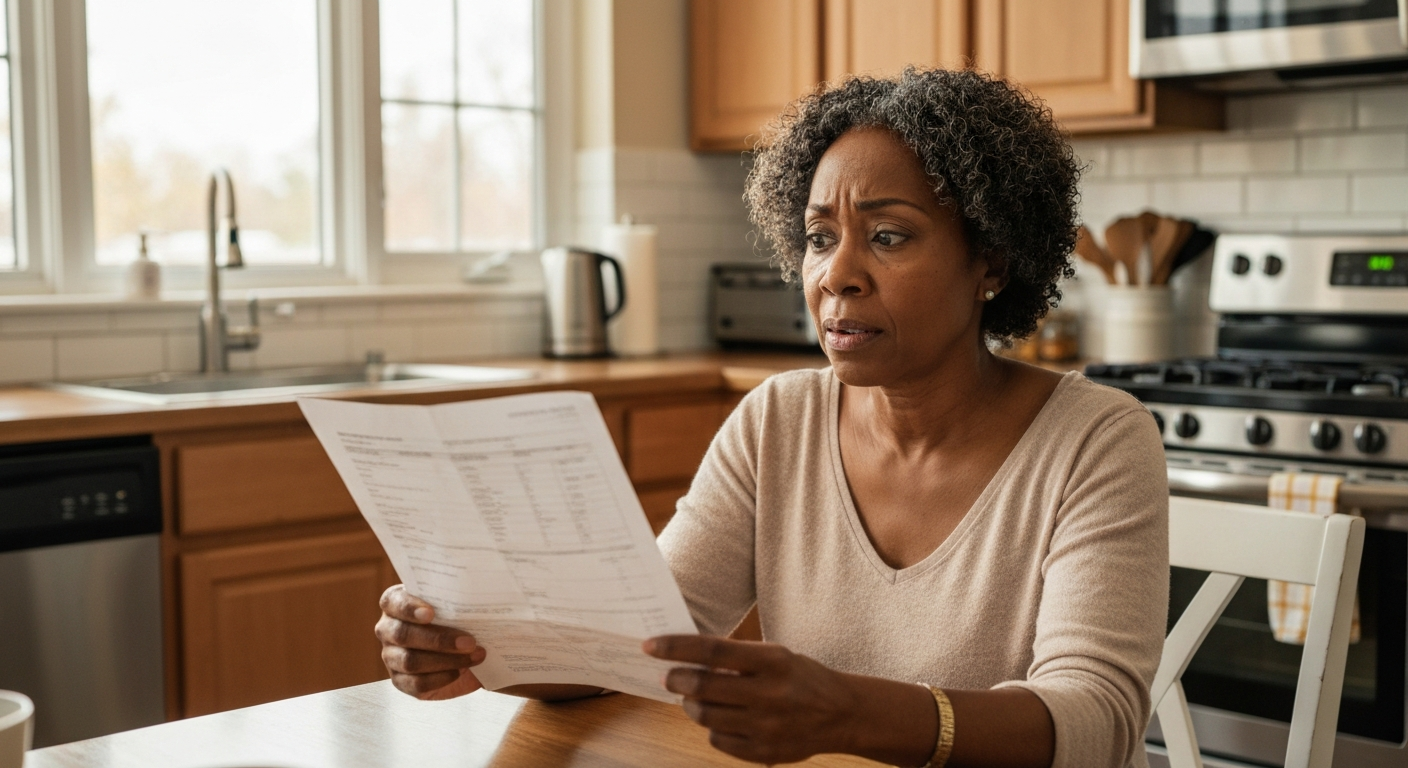

Your Ameren bill is likely so high because of seasonal temperature extremes, rate increases that took effect in 2025 and 2026, inefficient appliances, or phantom loads from devices drawing power around the clock.
The same factors drive up bills from ComEd, Georgia Power, Duke Energy, NIPSCO, SCE, and Con Edison — this is not unique to Ameren customers. Below, we break down the 11 most common causes of an unexpectedly high utility bill, explain how delivery charges work, and give you specific steps to bring your costs down.
Also Read: Why Is My Electric Bill So High? 9 Causes & How to Lower It
A sudden jump in your electric bill almost always comes down to one of three things: you used more kilowatt-hours (kWh) than usual, the rate per kWh increased, or both happened at the same time.
When customers ask "why is my Ameren bill so high" or "why is my Duke Energy bill so high this month," the answer usually involves the same handful of culprits. Utility companies across the country — Ameren Illinois, Ameren Missouri, ComEd, Georgia Power, Duke Energy, NIPSCO, Southern California Edison, and Con Edison — all structure their bills similarly. You pay for the electricity you consume (the supply charge) plus the cost of delivering that electricity to your home (the delivery charge).
Understanding both components helps you pinpoint where your money is actually going.
Yes — dramatically. When temperatures drop below 20°F or climb above 90°F, your HVAC system runs longer and harder. A heat pump that cycles on and off a few times per hour in mild weather may run nearly continuously during a polar vortex or heat wave.
"Heating and cooling account for about 43% of U.S. home energy use, making HVAC the largest energy expense for most households." — U.S. Energy Information Administration
If your Georgia Power bill spiked in January or your SCE bill jumped in August, temperature extremes are the most likely explanation.
Utility rates have increased across most of the country. Ameren Missouri implemented a rate adjustment in early 2026 following infrastructure investments. ComEd customers in Illinois saw delivery charge increases approved by the Illinois Commerce Commission. Duke Energy customers in the Carolinas and Indiana experienced similar adjustments.
Rate increases of 5–15% are not unusual during periods of grid modernization and fuel cost volatility. Check the "rate" or "price per kWh" line on your current bill against a bill from the same month last year.
Delivery charges cover the cost of maintaining power lines, transformers, substations, and the grid infrastructure that brings electricity to your home — and they often make up 40–60% of your total bill.
Many customers searching "why is my ComEd delivery charge so high" or "why is my Con Ed bill so high this month" are surprised to learn that delivery fees can exceed the cost of the electricity itself. These charges include:
Delivery charges are regulated by state utility commissions and are not negotiable. However, you can reduce your overall bill by lowering your kWh consumption, which also lowers the variable portion of delivery costs.
A refrigerator manufactured in 2006 can use 40–50% more electricity than an Energy Star model from 2020. The same applies to water heaters, air conditioners, and washing machines.
| Appliance | Average Lifespan | Annual kWh (Old Model) | Annual kWh (New Energy Star) |
|---|---|---|---|
| Refrigerator | 12–15 years | 600–800 kWh | 400–450 kWh |
| Central AC | 15–20 years | 3,000–4,000 kWh | 2,000–2,500 kWh |
| Electric Water Heater | 10–15 years | 4,000–4,500 kWh | 2,500–3,500 kWh |
| Clothes Dryer | 10–13 years | 700–900 kWh | 400–600 kWh |
If your NIPSCO bill or Duke bill has crept up gradually over years, aging appliances are a likely contributor.
Phantom load (also called standby power or vampire draw) refers to electricity consumed by devices that are turned off but still plugged in — and it can account for 5–10% of your monthly bill.
Common phantom-load culprits include:
A smart power strip that cuts power to devices when they are not in use can eliminate most phantom load without requiring you to unplug anything manually.
A refrigerator with a failing compressor or a freezer with a broken door seal will run 24/7 trying to maintain temperature. A water heater with a sediment-clogged tank takes longer to heat water. A malfunctioning HVAC blower motor may cycle continuously.
If your Georgia Power bill or Southern California Edison bill spiked suddenly without a corresponding change in weather or usage habits, a malfunctioning appliance is worth investigating. Listen for appliances that never seem to shut off, and check for unusual warmth around motors or compressors.
Heat escapes through poorly insulated attics, walls, and windows in winter. In summer, heat infiltrates the same gaps. Either way, your HVAC system works overtime.
"Air leaks can waste 25–40% of the energy used for heating and cooling in a typical home." — ENERGY STAR
Common problem areas include:
A professional energy audit (often available free or at low cost through your utility) can identify exactly where your home is losing energy.
Most water heaters ship with the thermostat set to 140°F. The Department of Energy recommends 120°F for most households. Every 10°F reduction saves 3–5% on water heating costs.
If you have not adjusted your water heater since installation, you may be paying to keep water hotter than you need.
Some utilities — including SCE, ComEd, and Duke Energy — offer time-of-use (TOU) pricing. Electricity costs more during peak hours (typically 4 PM to 9 PM) and less during off-peak hours.
If you are on a TOU plan and run your dishwasher, laundry, or pool pump during peak hours, your bill will be higher than if you shifted those loads to overnight or early morning.
A new hot tub, electric vehicle, space heater, or cryptocurrency mining rig can add hundreds of dollars to your monthly bill. A single space heater running 8 hours per day at 1,500 watts adds about 360 kWh per month — roughly $40–$60 depending on your rate.
More people at home means more showers, more laundry, more cooking, more device charging, and more lights on. If you recently started working from home, had a family member move in, or welcomed a new baby, your usage naturally increases.
Your bill shows exactly how much electricity you used and what rate you paid — comparing these numbers month-over-month reveals whether the spike is from usage, rates, or both.
Look for these key figures:
| Line Item | What It Tells You |
|---|---|
| Total kWh | Your actual electricity consumption |
| Supply Rate (per kWh) | What you pay for the electricity itself |
| Delivery Charge | What you pay to have electricity delivered |
| Meter Read Dates | The billing period (longer periods = higher bills) |
| Comparison to Last Year | Usage vs. the same month in the prior year |
If your kWh is similar to last year but your bill is higher, rates increased. If your rates are similar but your bill is higher, you used more electricity.
If you have not already replaced incandescent or CFL bulbs with LEDs, this is the simplest fix. LEDs use 75% less energy and last 25 times longer.
Weatherstripping around doors and caulking around windows costs under $30 and can be done in an afternoon. Focus on the biggest gaps first — usually around exterior doors and older windows.
A programmable or smart thermostat lets you reduce heating and cooling when you are asleep or away. Setting the temperature back 7–10°F for 8 hours per day can save up to 10% annually on heating and cooling costs.
If you are on a time-of-use plan, run your dishwasher, laundry, and pool pump after 9 PM or before 4 PM. This single change can reduce your bill by 10–20% without reducing your actual usage.
Most utilities — including Ameren, ComEd, Georgia Power, Duke Energy, and SCE — offer free or subsidized home energy audits. A technician will identify insulation gaps, air leaks, and inefficient appliances specific to your home.
Many utilities offer rebates for upgrading to Energy Star appliances. Check your utility's website for current incentive programs before purchasing a new refrigerator, water heater, or HVAC system.
| ✓Our Pick |
Energy-efficient appliances and power-monitoring tools on Amazon Highly rated by thousands of buyers — this is one of the most effective solutions for this issue you can try at home. See on Amazon → |
Your Ameren, ComEd, Georgia Power, Duke Energy, NIPSCO, SCE, or Con Edison bill is high because of some combination of seasonal temperature extremes, 2026 rate increases, inefficient or malfunctioning appliances, phantom loads, poor insulation, or changes in household usage. Compare your current bill to the same month last year, check your kWh consumption against the rate per kWh, and target the specific cause — whether that means sealing air leaks, shifting usage to off-peak hours, or replacing an aging appliance.
ComEd's delivery charge covers the cost of maintaining the electric grid in northern Illinois, including power lines, transformers, and substations. These charges have increased due to infrastructure investments and storm-hardening projects. Delivery fees are regulated by the Illinois Commerce Commission and typically make up 40–60% of your total bill. You cannot negotiate delivery charges, but reducing your kWh usage lowers the variable portion of these costs.
Duke Energy bills spike during temperature extremes — especially in January, February, July, and August — when HVAC systems run continuously. Duke Energy also implemented rate adjustments in 2025 and 2026 to cover fuel costs and grid upgrades. Compare your kWh usage to the same month last year. If usage is similar but the bill is higher, rates increased. If rates are similar but the bill is higher, you are using more electricity.
Georgia Power customers often see higher bills in summer due to air conditioning demand and in winter if they use electric heat. The company implemented rate changes approved by the Georgia Public Service Commission in recent years. Additionally, Georgia's hot and humid climate means HVAC systems work harder than in milder regions. Check for phantom loads, aging appliances, and air leaks if your bill seems disproportionately high compared to neighbors.
SCE customers pay some of the highest electricity rates in the country, and many are on time-of-use rate plans where peak-hour usage (4 PM to 9 PM) costs significantly more. If your SCE bill spiked, check whether you are running major appliances during peak hours. Shifting dishwasher, laundry, and EV charging to off-peak hours can reduce your bill by 10–20% without changing your total consumption.
Con Edison serves New York City and Westchester County, where delivery charges and supply costs are among the highest in the nation. Summer 2026 bills may reflect increased cooling demand during heat waves, while winter bills reflect electric heating costs. Con Ed also passed through fuel cost increases in late 2025. Review your bill's kWh usage and rate breakdown to determine whether the spike is from consumption or rate changes.
Reviewed and Updated on May 21, 2026 by George Wright