Stop night snoring by controlling what happens in the 2-3 hours before bed: cut off alcohol and heavy meals early, pre-treat nasal congestion, and lock in a side-sleeping position before you fall asleep — not after. Most snoring fixes fail because they target the whole day instead of the narrow window that actually decides how your throat behaves once you're out.
Why the Hours Before Bed Matter More Than the Rest of Your Day
Your throat muscles don't relax gradually over 24 hours — they go slack fast once you're horizontal and asleep, which means whatever is in your system at that moment (alcohol, a heavy dinner, allergens) has an outsized effect on how loud you get. Alcohol and sedatives relax the muscles in your throat and soft palate more than normal sleep does on its own, so a drink at 6 p.m. has mostly worn off by midnight, but one at 9:30 p.m. is still actively relaxing your airway at 1 a.m.
The same timing logic applies to food. A large or fatty meal close to bedtime keeps your stomach working overtime while you're lying flat, which can push acid upward and irritate the throat tissue that's already prone to vibrating. Building a 3-hour buffer between your last big meal or drink and lights-out is one of the simplest night-specific changes you can make.
Set Your Sleep Position Before You Fall Asleep, Not After
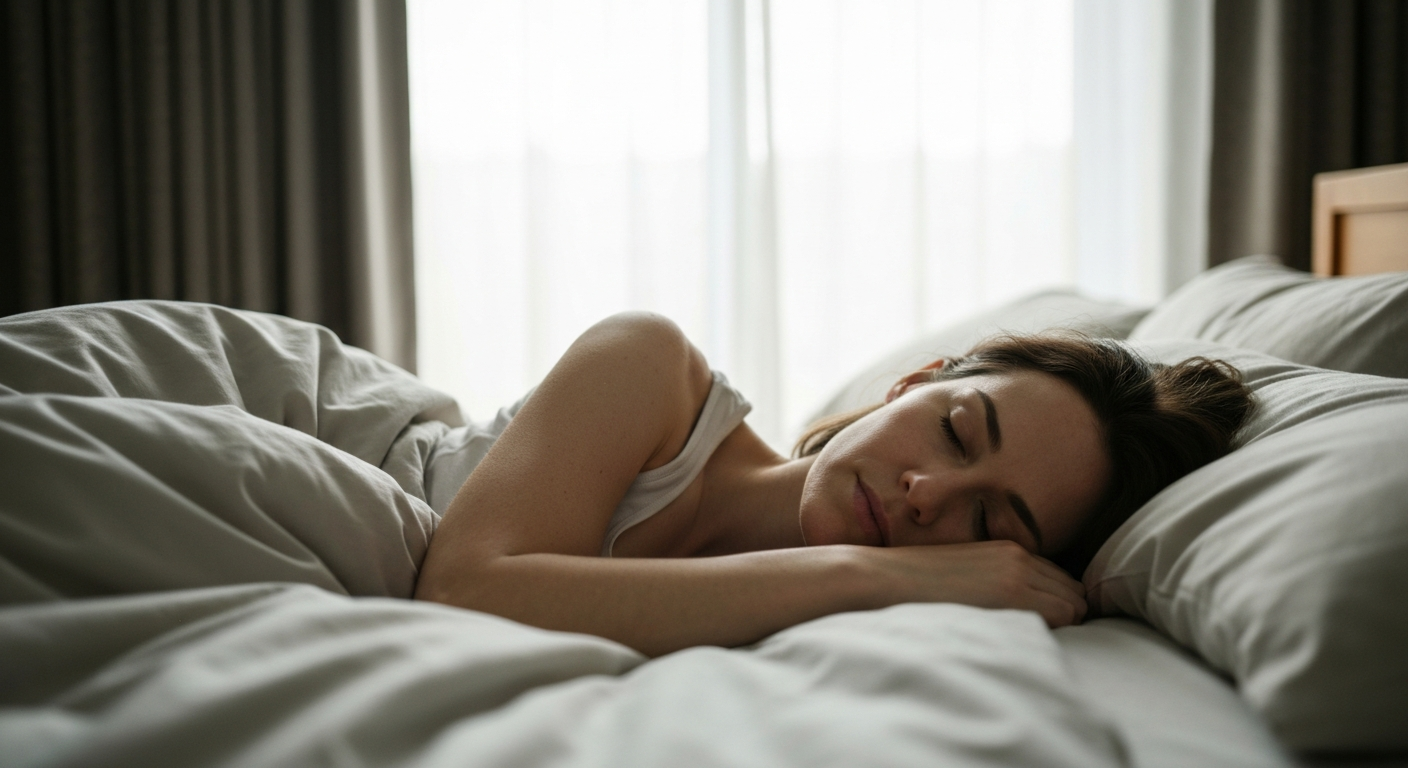
Trying to "remember" to sleep on your side rarely works once you're unconscious — the fix has to be mechanical, set up before you fall asleep. Back-sleeping is the single biggest nightly position trigger because gravity does something specific to your airway in that position.
"When you are on your back, gravity pulls the tissues surrounding your airway downward, which makes the airway more narrow." — Alexa Fry, Senior Health Editor, medically reviewed by Heather Wright, MD, at Sleep Foundation
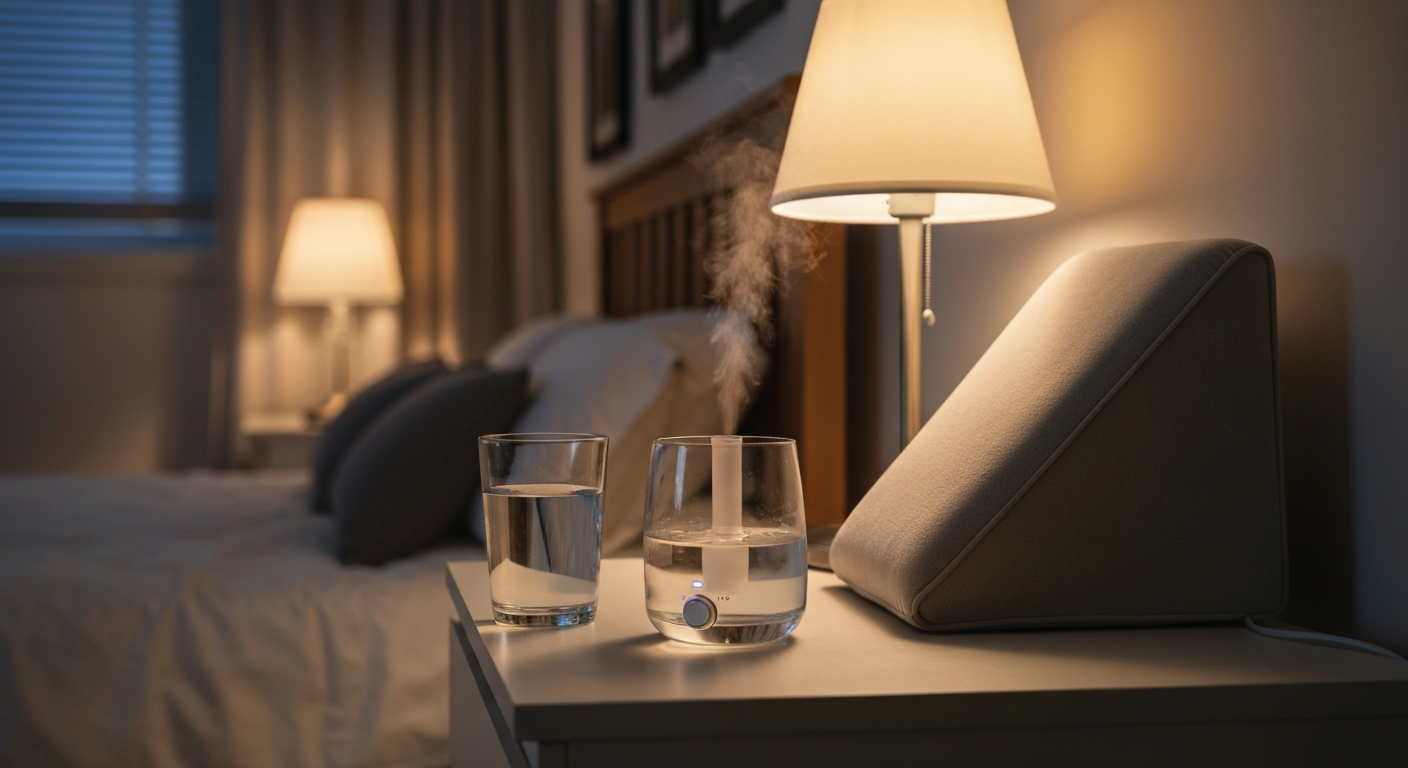
A simple wedge pillow, a body pillow tucked behind your back, or even a tennis ball sewn into the back of an old t-shirt will physically block you from rolling onto your back mid-sleep — all three are night-specific tools rather than daytime habit changes.
| ✓Our Pick |
Custom-fit mouthpiece that repositions your jaw to stop snoring Simple to use and genuinely effective — for many people this is all they ever needed. Learn More → |
Other Nighttime Triggers People Miss
Two more night-specific factors are easy to overlook because they build up only after dark. Indoor air tends to get drier overnight as heating or AC runs continuously, which dries out nasal and throat tissue and makes vibration more likely. And evening allergen exposure — dust stirred up from bedding, pet hair on blankets, or pollen tracked in earlier in the day — often peaks right as you're trying to fall asleep, hours after any daytime allergy medication has worn off.
A bedroom humidifier set to 40-50% humidity addresses the air-dryness piece directly. For allergy-driven congestion specifically, treating it before bed rather than in the morning targets the actual window when it affects your breathing.
Also Read: Snoring Due to Allergies: Causes, Triggers & 6 Fixes
Your Pre-Bed Snoring Checklist
| Time before bed |
Action |
| 3+ hours |
Finish your last alcoholic drink and any large or fatty meal |
| 1-2 hours |
Take any allergy medication if congestion is a regular nighttime issue |
| 30 minutes |
Run a bedroom humidifier if the air feels dry |
| At lights-out |
Position a body pillow or wedge to block back-sleeping |
In Short
Night-specific snoring control comes down to timing, not just technique: finish food and alcohol at least 3 hours before bed, treat nasal congestion before lights-out rather than the next morning, and physically block back-sleeping with a pillow or wedge so the fix is already in place once you're asleep. None of these require new equipment to start tonight, though a fitted oral appliance is the most consistent next step if positional and timing changes alone aren't enough.
What You Also May Want To Know
Does drinking water before bed help with snoring?
Staying hydrated throughout the day can help keep throat tissue from getting too dry, but a large glass of water right before bed mostly affects bathroom trips, not snoring directly — earlier, steady hydration matters more than a bedtime gulp.
How long before bed should I stop eating to reduce snoring?
Aim to finish your last meal at least 3 hours before lying down, since a full stomach close to bedtime can contribute to acid reflux that irritates the throat tissue involved in snoring.
Does sleeping with the bedroom door open or closed affect snoring?
Not directly, but a closed, well-sealed bedroom tends to hold more consistent humidity than one with airflow from the rest of the house, which can make dry-air snoring slightly worse if the room runs very dry overnight.
Can a single bad night of snoring mean something is wrong, or does it need to be a pattern?
An occasional night of louder snoring (from a late drink, a cold, or a stuffy room) is usually not a concern on its own; it's worth medical attention when loud snoring happens most nights and is paired with gasping, choking, or daytime exhaustion.
Will changing my evening routine work if I'm also overweight?
Evening timing changes still help by removing one variable, but excess tissue around the neck and throat narrows the airway independent of timing, so combining the routine above with weight management or an oral appliance tends to work better than either alone.
Reviewed and Updated on June 20, 2026 by George Wright